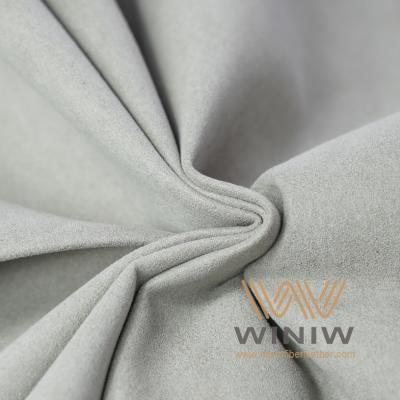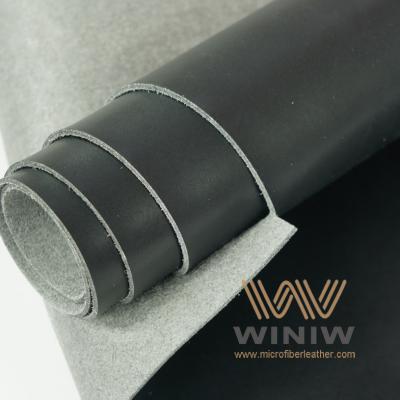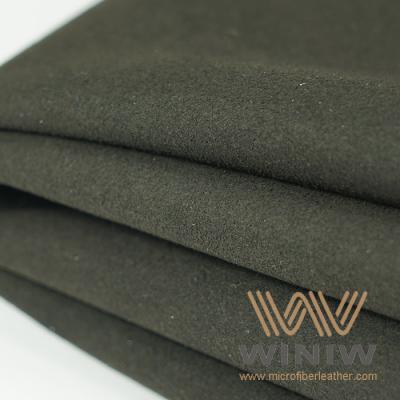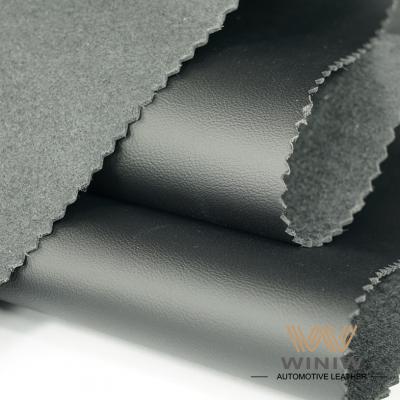
Você vê bolas de futebol americano oficiais, como as da NFL, feitas de couro bovino de flor integral. A Horween Leather Company fornece a maior parte desse couro. Você se beneficia de sua aderência, durabilidade e desempenho durante o jogo. Muitas pessoas ainda acreditam que as bolas de futebol americano são feitas de couro de porco.
|
Fonte |
Ponto-chave |
|---|---|
|
Los Angeles Times |
As bolas de futebol americano da NFL e da NCAA são feitas de couro bovino, não de pele de porco. O termo "pele de porco" é um eufemismo que vem das primeiras bolas de futebol americano, que eram feitas com bexigas de porco. |
|
Blog Aghires |
As primeiras bolas de futebol eram infladas com bexigas de porco, mas as bolas modernas são feitas de couro bovino. O termo "pele de porco" continua sendo um equívoco. |
|
Grande Jogo EUA |
O apelido "pele de porco" persiste, mas todas as bolas de futebol americano profissionais e universitárias são feitas de couro bovino, enquanto as bolas recreativas podem usar materiais sintéticos. |
Hoje em dia, o termo "material de couro para futebol" significa couro bovino, não couro suíno.
As bolas de futebol oficiais são feitas de couro bovino , não pele de porco. Essa mudança aumenta a durabilidade e o desempenho.
O couro bovino oferece um toque mais macio e um período de amaciamento mais rápido, enquanto o couro de novilho proporciona durabilidade incomparável para uso a longo prazo.
A Horween Leather Company fornece couro de alta qualidade, garantindo excelente aderência e flexibilidade para um jogo ideal.
Quando você olha para o Material de couro para futebol Em bolas de futebol oficiais, encontramos dois tipos principais de couro: couro bovino e couro de novilho. Ambos oferecem qualidades únicas que afetam a sensação, o desempenho e a durabilidade da bola em campo.
|
Recurso |
Couro de vaca |
Couro bovino |
|---|---|---|
|
Sensação e peso |
Macio, flexível, de peso médio |
Sensação mais pesada, rígida e robusta |
|
Tempo de arrombamento |
Mais curto e fácil, pronto para jogar. |
O mais longo e mais exigente |
|
Durabilidade |
Suficientemente durável para várias temporadas. |
Durabilidade incomparável, dura muitas temporadas. |
Você percebe que o couro bovino é mais macio e se adapta rapidamente ao corpo da bola. Isso o torna o preferido dos jogadores que querem uma bola pronta para uso imediato. O couro de boi, por outro lado, é mais pesado e rígido. Leva mais tempo para amaciar, mas resiste a anos de uso intenso. Muitas ligas, incluindo a NFL, utilizam couro bovino como material para suas bolas de futebol americano. De fato, a NFL usa cerca de 35.000 couros bovinos por ano para produzir aproximadamente 700.000 bolas de futebol americano oficiais. Cada couro bovino pode produzir cerca de 20 bolas, o que demonstra a importância desse material para o esporte.
O processo de transformação de peles brutas em material de couro para futebol envolve várias etapas cuidadosas:
Os couros bovinos chegam do confinamento e são curtidos para maior durabilidade.
As peles são estampadas com uma marca registrada e cortadas em painéis resistentes.
Os painéis são costurados do avesso, depois passados a vapor e virados para o lado certo.
Uma câmara de ar de borracha é inserida e a bola é amarrada manualmente.
A bola finalizada é moldada, medida e inspecionada para garantir a qualidade.
Esse processo garante que cada bola de futebol atenda a padrões rigorosos de tamanho, peso e pressão do ar. Você obtém uma bola com desempenho consistente, seja jogando no quintal de casa ou em um campo profissional.
Observação: O couro de flor integral, especialmente o da parte central, confere à bola sua aderência característica e textura robusta. Essa superfície natural ajuda no controle da bola, mesmo em clima úmido ou frio.
Você pode estar se perguntando por que tantas bolas de futebol americano oficiais usam couro da Horween Leather Company. A Horween fornece material de couro para bolas de futebol americano da NFL desde a década de 1940. Sua reputação vem do compromisso com a qualidade e a inovação.
|
Detalhe |
Informação |
|---|---|
|
Ano de início |
década de 1940 |
|
Produção anual |
Aproximadamente 500.000 bolas |
|
Produção diária |
Aproximadamente 2.100 bolas |
O couro Horween se destaca por diversos motivos:
Oferece excelente aderência e durabilidade, o que ajuda você a manusear a bola em qualquer clima.
O couro permanece flexível e resistente à água, tornando-o ideal para jogos de alto nível.
A Horween utiliza um processo de curtimento especial que combina métodos com cromo e vegetais. Isso cria um couro que é ao mesmo tempo resistente e flexível.
O processo Tanned in Tack® confere aderência extra ao couro, proporcionando melhor firmeza.
A empresa obtém peles como subprodutos da indústria da carne, apoiando a sustentabilidade.
Você se beneficia dessas características sempre que arremessa, pega ou chuta uma bola de futebol. Os tratamentos exclusivos e os rigorosos controles de qualidade garantem que cada bola atenda às exigências tanto de profissionais quanto de amadores.
"O Chromexcel caracteriza-se por um rico efeito pull-up em anilina pura, acabamentos polidos à mão, e é tratado com curtimento e extratos exclusivos, proporcionando características de alto desempenho exigidas tanto por profissionais quanto por amadores."
A maior parte do material de couro para chuteiras de futebol da Horween provém de couro bovino, representando cerca de 85% da sua produção. Esse foco em materiais de qualidade e processamento cuidadoso diferencia a Horween de outros fornecedores.
Você ainda pode ouvir pessoas chamando a bola de futebol de "pele de porco", mas esse termo vem dos primórdios do esporte. Naquela época, os fabricantes usavam bexigas de porco para inflar a bola. Hoje, as bolas de futebol oficiais usam couro bovino ou de boi para sua camada externa. Essa mudança resulta em uma bola mais durável, com melhor toque e desempenho de alto nível.
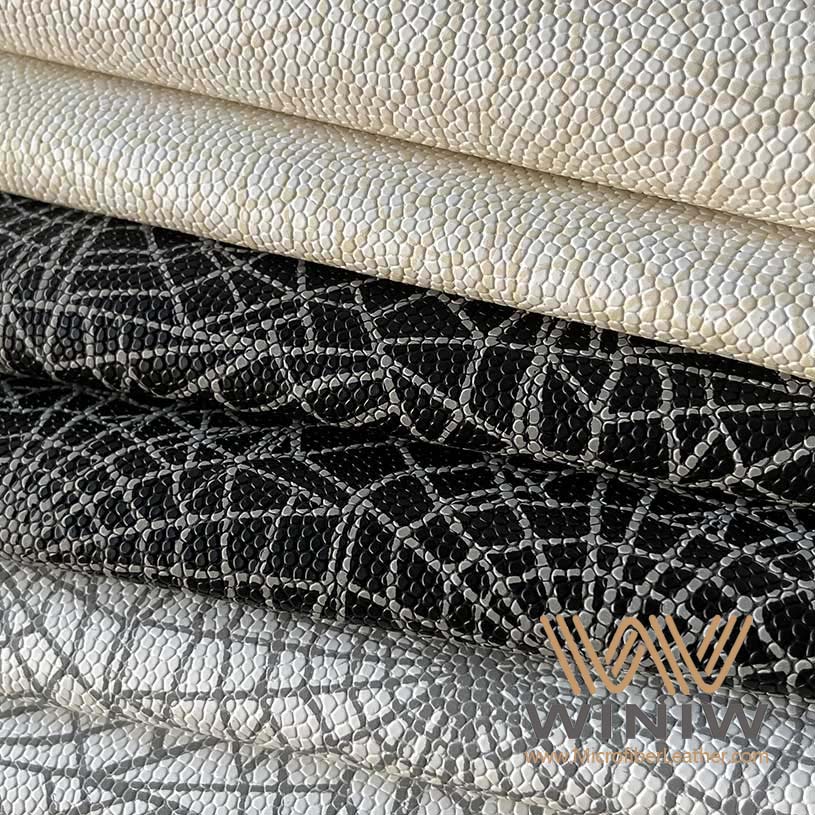
Você vê a parte externa de uma bola de futebol americano como a parte que você segura, arremessa e chuta. Os fabricantes usam Material de couro para futebol Para criar essa estrutura, ela oferece durabilidade e uma sensação confiável. O processo começa com o corte de painéis de couro de alta qualidade. Os artesãos combinam esses painéis em termos de cor, textura e direção das fibras. Essa etapa garante que cada bola de futebol tenha a mesma aparência e toque. Logotipos e texturas são estampados nos painéis usando cabeçotes aquecidos. Inspeções de controle de qualidade iniciais descartam quaisquer painéis com falhas de impressão.
|
Etapa |
Descrição |
|---|---|
|
1 |
Recorte painéis de couro ou material sintético para formar o formato externo da bola. |
|
2 |
Combine os cortes dos painéis em termos de cor, textura e direção dos veios para garantir consistência. |
|
3 |
Imprima logotipos e texturas nos painéis antes da montagem usando cabeçotes aquecidos. |
|
4 |
Descarte os painéis com defeitos de impressão durante as primeiras verificações de controle de qualidade. |
|
5 |
Costure os painéis do avesso para esconder as costuras e criar uma superfície lisa. |
|
6 |
Inspecione as bolas costuradas em busca de defeitos, verificando parâmetros como aparência, tamanho, peso, quique e retenção de ar. |
Você percebe que a espessura e a textura do couro da bola de futebol afetam seu desempenho. Um couro mais espesso aumenta a durabilidade e a resistência ao desgaste. A textura da bola melhora a aderência e a sensibilidade ao toque. A textura da superfície otimiza as propriedades antiderrapantes e a elasticidade.
Dica: Texturas de superfície ricas e toque macio ajudam a controlar melhor a bola, especialmente em condições de piso molhado.
Dentro de cada bola de futebol americano, você encontra uma câmara de ar de borracha. Esse componente armazena ar e mantém a bola firme durante o jogo. A câmara fica sob a camada externa de couro, trabalhando em conjunto para manter a forma e o desempenho da bola. Máquinas automatizadas posicionam a câmara dentro da camada externa, garantindo um posicionamento preciso e a injeção de ar uniforme. Esse processo elimina erros humanos e mantém todas as bolas de futebol americano perfeitas.
|
Componente |
Função |
|---|---|
|
Bolsa de borracha |
Retém o ar, afetando o desempenho da bola durante o jogo. |
|
Revestimento externo em couro |
Proporciona estrutura e textura para controle e tato durante a brincadeira. |
A câmara de ar é a parte mais interna da bola de futebol, crucial para a retenção de ar.
As câmaras de látex oferecem elasticidade e capacidade de resposta superiores, ideais para jogos profissionais.
As câmaras de ar de butil proporcionam maior retenção de ar, sendo frequentemente utilizadas em bolas de treino e recreativas.
As câmaras de ar ajudam a bola de futebol a manter sua forma ao longo do tempo. Máquinas controlam a quantidade de ar injetada, resultando em uma bola com quique padronizado e trajetória previsível. O material de couro sintético e a câmara de ar de borracha trabalham em conjunto para proporcionar uma bola que oferece a sensação ideal a cada partida.
Ao pegar numa bola de futebol, você percebe imediatamente a diferença entre o couro legítimo e os materiais sintéticos. Muitos jogadores e treinadores descrevem essas diferenças da seguinte forma:
As bolas de futebol de couro legítimo proporcionam uma sensação e aderência tradicionais. Você sente a textura natural e a capacidade de resposta a cada lançamento.
couro PU As bolas de futebol proporcionam um desempenho consistente e um toque previsível. Você pode achá-las mais fáceis de manusear, especialmente se busca uma bola que ofereça a mesma sensação sempre.
Os jogadores geralmente preferem a aderência e a sensibilidade proporcionadas pelo couro genuíno, enquanto as bolas sintéticas se destacam pela durabilidade e baixa necessidade de manutenção.
Bolas de futebol sintéticas Excelentes em tempo úmido. Resistentes à umidade, permitem manter uma pegada firme mesmo em chuva forte. O couro genuíno oferece ótima aderência em condições secas, mas absorve água e fica mais pesado quando molhado. É necessário cuidar bem das bolas de couro para mantê-las em perfeitas condições.
Dica: Se você joga em todos os tipos de clima, as bolas de futebol sintéticas ajudam a evitar situações escorregadias.
Você quer uma bola de futebol americano que resista a treinos e jogos intensos. A vida útil média de cada tipo varia:
|
Tipo de futebol |
Expectativa de vida média |
|---|---|
|
Couro PU |
De alguns meses a vários anos |
|
Couro genuíno |
Geralmente mais longo que o sintético |
A manutenção também é importante:
|
Tipo de futebol |
Requisitos de manutenção |
Durabilidade e desempenho em condições climáticas adversas. |
|---|---|---|
|
Futebol de couro |
Necessita de limpeza e secagem regulares para evitar danos. |
Absorve umidade, podendo ficar pesado e difícil de controlar quando molhado. |
|
Futebol sintético |
Requer poucos cuidados, resistente à água. |
Apresenta bom desempenho em todas as condições climáticas, mantém a forma e a aderência. |
Você também deve levar em consideração o custo e o meio ambiente. O couro natural custa mais, enquanto as opções de PU e PVC são mais acessíveis. As bolas de futebol sintéticas geralmente utilizam materiais reciclados e exigem menos energia para serem produzidas, tornando-as uma escolha mais ecológica para muitas equipes.
Você obtém diversas vantagens ao usar couro bovino ou de novilho de alta qualidade em bolas de futebol:
Excelente aderência e feedback tátil em condições secas.
Alta resistência a arranhões, perfurações e desgaste.
Durabilidade prolongada para uso intenso.
Winiw International Co.,Ltd


Digitalizar para wechat:



 Tel. : +86 18150976625
 Email : Market@MicrofiberLeather.com