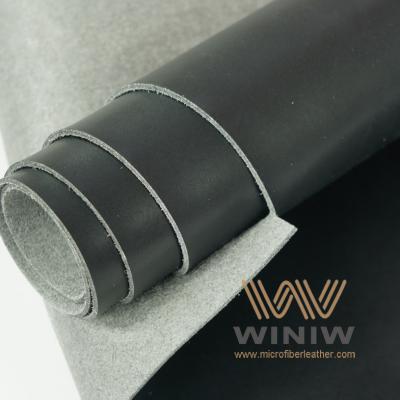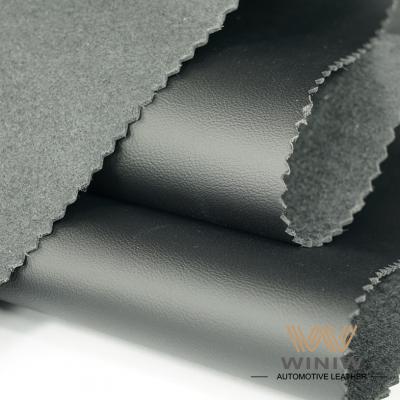
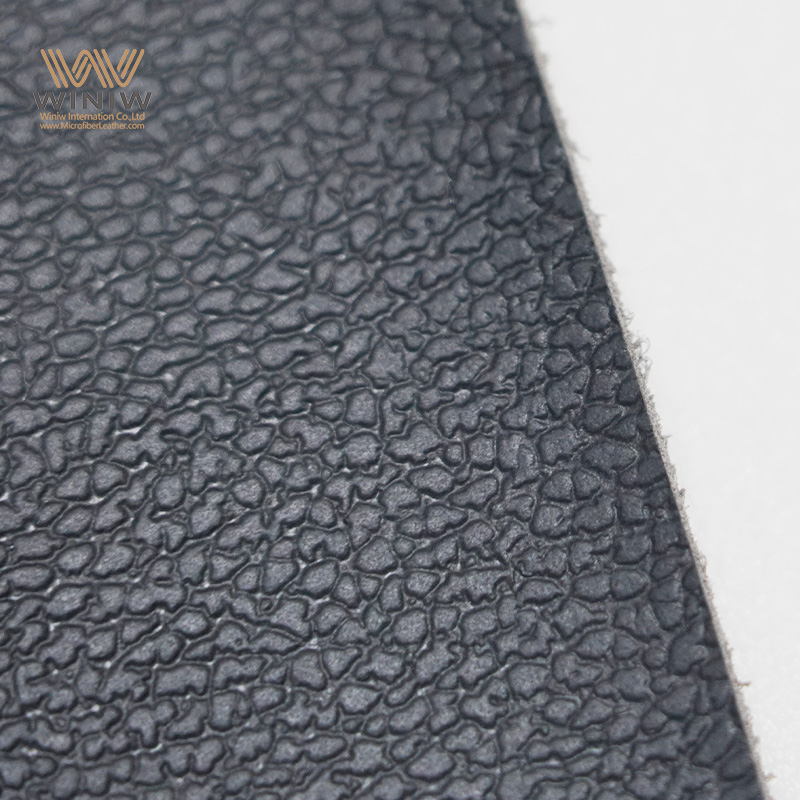
Você vê couro pu em todos os lugares na moda hoje. Esse material usa poliuretano para revestir tecido, criando uma superfície que parece e tem a sensação de couro genuíno. O couro pu é um tipo de couro sintético que oferece uma opção vegana e livre de crueldade. Muitas pessoas escolhem couro pu para bolsas porque é acessível e elegante. Na última década, a popularidade do couro pu cresceu por vários motivos:
Os consumidores agora se preocupam mais com sustentabilidade e escolhas éticas.
Os millennials e compradores mais jovens preferem materiais livres de crueldade.
As marcas de moda usam couro pu para atender a padrões mais rigorosos de bem-estar animal.
A nova tecnologia torna o couro pu quase tão atraente quanto o couro real.
O couro pu se tornou um item essencial para acessórios modernos e versáteis, como a bolsa de couro pu.
Couro PU é uma alternativa vegana e livre de crueldade ao couro genuíno, tornando-se uma escolha popular para consumidores éticos.
Esse material sintético é acessível, elegante e fácil de manter, perfeito para bolsas e sacolas modernas.
Embora o couro PU ofereça muitos benefícios, ele tem uma vida útil mais curta que o couro genuíno e pode ser propenso a desgaste.
Você pode se perguntar como o couro pu é feito e por que ele se parece tanto com o couro real. Os fabricantes criam couro pu revestindo uma base de tecido, geralmente poliéster, com uma camada de poliuretano. Esse processo torna o couro pu um tipo comum de couro sintético e uma escolha popular para muitos produtos.
Misturar polióis com agentes de reticulação para iniciar o processo de polimerização.
Tecer ou tricotar a base de tecido antes do revestimento.
Aplicar a resina de poliuretano usando métodos como revestimento direto ou por transferência.
Secar o tecido revestido em um forno para remover a umidade.
Curar o material para solidificar a camada de poliuretano.
Após o revestimento, a superfície geralmente é texturizada com rolos ou placas aquecidos.
Você perceberá que o couro pu permite produção em massa e vem em muitas cores e padrões. Essa flexibilidade o torna ideal para itens de moda como bolsas.
Você pode perguntar se o couro pu é couro real. A resposta é não. O couro pu é 100% artificial e não contém nenhum produto animal.considerado couro vegano porque não usa materiais ou adesivos derivados de animais. O processo de produção não envolve testes em animais ou exploração, tornando-o uma escolha de moda livre de crueldade e ética.
Aqui está uma comparação rápida:
|
Característica |
Couro PU |
Couro de origem animal |
|---|---|---|
|
Composição do material |
Polímero termoplástico (artificial) |
Peles de animais |
|
Vegano Status |
Vegano |
Não vegano |
|
Textura |
Imita couro real |
Natural, único |
|
Durabilidade |
Rompe-se com mais facilidade |
Mais resistente |
|
Desenvolvimento de pátina |
Sem pátina |
Desenvolve pátina |
|
Respirabilidade |
Não respirável |
Respirável |
Você pode ver por que muitas pessoas escolhem couro vegano por razões éticas e práticas. O couro PU se destaca como uma opção sustentável e consciente no mercado atual.
O couro PU se tornou uma escolha popular para carteiras e bolsas. Você o vê em todos os lugares porque oferece uma combinação de estilo, funcionalidade e preço acessível. Muitas pessoas preferem uma carteira de couro PU pelo seu visual moderno e fácil manutenção. Você pode encontrar couro sintético em uma ampla variedade de cores e designs, tornando fácil combinar com seu estilo pessoal. Aqui estão alguns motivos pelos quais o couro PU em bolsas se destaca:
Limpeza e manutenção simples
Opções de design versáteis e atualizações rápidas de estilo
Origem ética para valores livres de crueldade
Leve, perfeito para bolsas estruturadas e sacolas
Resistência à água, protegendo sua bolsa contra derramamentos e chuva
Textura macia e alta durabilidade para uso diário
Ao escolher uma carteira de couro PU, você obtém vários benefícios, mas também deve considerar algumas desvantagens. Aqui está uma visão geral rápida:
Prós:
Custo mais baixo em comparação com o couro legítimo
Vegano e livre de crueldade, atraente para consumidores éticos
A superfície resistente à água protege contra chuva leve e derramamentos
Leve, tornando as bolsas confortáveis de carregar
Aparência consistente com menos imperfeições
Fácil de limpar com um pano úmido
Contras:
Vida útil mais curta, geralmente durando 2–5 anos com uso regular
Propenso a descascar, rachar e desbotar, especialmente com calor ou luz solar
Não respirável, o que pode ser desconfortável em climas quentes
Não possui a maciez e a sensação única do couro verdadeiro, às vezes parecendo plástico
Pode desenvolver um cheiro químico ou de plástico
Não desenvolve uma pátina ou caráter vintage com o tempo
Feito de plástico, levantando preocupações ambientais devido à não biodegradabilidade
Dica: Se você quer uma bolsa elegante para algumas estações e valoriza materiais sem origem animal, uma bolsa de couro PU é uma escolha inteligente. Se você quer um investimento duradouro, pode considerar outras opções.
Você pode se perguntar como uma bolsa de couro PU se compara a uma feita de couro genuíno. As diferenças ficam claras quando você observa o custo, a aparência, a sensação e o envelhecimento.
|
Característica |
Bolsa de Couro PU |
Bolsa de Couro Genuíno |
|---|---|---|
|
Preço |
Mais acessível |
Mais caro |
|
Custo da Matéria-Prima |
US$ 3,00–US$ 6,00+ por pé quadrado |
|
|
Cheiro |
Odor de plástico ou químico |
Aroma natural e terroso |
|
Textura |
Lisa, uniforme, artificial |
Áspera, irregular, com grão natural |
|
Flexibilidade |
Forma rugas de maneira não natural |
Dobra e volta à forma original |
|
Peso |
Mais leve e mais flexível |
Mais pesado e volumoso |
|
Pátina |
Não envelhece bem, pode rachar ou descascar |
Desenvolve uma pátina rica com o tempo |
|
Resistência à água |
Resistente à água, não à prova d'água |
Absorve água a menos que seja tratado |
|
Longevidade |
2–5 anos |
10–20+ anos |
|
Manutenção |
Cuidados simples, não pode ser restaurado |
Requer cuidados, pode ser reparado |
As bolsas de couro legítimo custam mais, mas duram muito mais e desenvolvem um caráter único à medida que envelhecem. Uma bolsa de couro PU oferece um visual moderno e cuidados fáceis, mas não durará tanto nem ganhará o mesmo charme vintage.
Uma bolsa de couro PU pode durar de 2 a 5 anos com uso regular. Isso é menos do que o couro legítimo, que pode durar décadas. Você pode prolongar a vida útil das suas bolsas de couro sintético seguindo algumas dicas simples de cuidados:
Limpe com um pano macio e úmido e um limpador suave com pH neutro.
Evite produtos químicos agressivos como alvejante ou álcool.
Guarde sua bolsa em um local fresco e seco para evitar descascamento e mofo.
Use sacos de proteção de algodão respiráveis em vez de plástico para armazenamento.
Preencha a bolsa com papel de seda sem ácido para ajudá-la a manter o formato.
Alterne o uso das suas bolsas para reduzir desgaste.
Evite sobrecarregar, pois isso pode esticar alças e costuras.
Mantenha longe da luz solar direta e do calor para evitar desbotamento e rachaduras.
Nunca guarde sua bolsa quando estiver molhada e evite umidade para prevenir bolhas ou descascamento.
Use organizadores internos para evitar arranhões e manchas.
Mantenha longe de tecidos escuros para evitar transferência de cor.
Observação:Cuidados inadequados, como uso excessivo diário, exposição à luz solar ou armazenamento incorreto, podem reduzir a vida útil da sua bolsa de couro PU.
Muitas pessoas escolhem uma bolsa de couro PU por razões éticas. O couro sintético não contém produtos de origem animal, tornando-o uma escolha popular entre veganos e pessoas que se preocupam com o bem-estar animal. A produção de couro PU usa menos energia e água do que o couro de origem animal, o que pode reduzir seu impacto ambiental.
No entanto, você também deve considerar as desvantagens ambientais. O couro PU é feito de plásticos à base de petróleo, que são não biodegradáveis. Isso significa que suas bolsas de couro sintético podem contribuir para resíduos em aterros e poluição por microplásticos. O processo de produção também depende de combustíveis fósseis e pode liberar produtos químicos nocivos.
|
Material |
Emissões de CO2e (kg por metro quadrado) |
|---|---|
|
Couro PU |
15.8 |
|
Couro legítimo |
110.0 |
Embora o couro PU tenha uma pegada de carbono menor durante a produção, ele não se decompõe naturalmente e tem opções limitadas de reciclagem. Algumas marcas agora usam materiais reciclados e métodos de produção mais limpos para tornar o couro sintético mais sustentável. O couro genuíno, especialmente quando curtido com vegetais, pode ser biodegradável e durar muito mais, mas apresenta suas próprias preocupações éticas.
Você pode identificar uma bolsa de couro PU usando alguns testes simples:
Teste de cheiro:O couro PU tem cheiro de plástico ou de produtos químicos. O couro genuíno tem cheiro terroso e natural.
Teste de toque e superfície:O couro PU é frio e liso ao toque, com uma textura uniforme. O couro genuíno é quente e macio, com variações naturais de granulação.
Teste de absorção de água:Pingue um pouco de água na superfície. O couro PU faz a água formar gotas, enquanto o couro genuíno a absorve.
Teste da borda e do verso:Observe as bordas ou o interior. O couro PU mostra um revestimento de tecido trançado, enquanto o couro genuíno tem uma textura fibrosa.
Teste da etiqueta:Verifique as etiquetas. Termos como "PU" ou "couro sintético" indicam couro falso, enquanto "couro genuíno" significa pele animal real.
Dica:Se você quer ter certeza de que está comprando uma bolsa de couro PU, sempre verifique a etiqueta e use seus sentidos para testar o material.
Você vê o couro PU como uma das principais escolhas para bolsas modernas. Esse material oferece preço acessível, estilo e fácil cuidado. Muitas marcas usam couro PU por seu apelo vegano e ético. Ao escolher entre couro PU e couro genuíno, considere seu orçamento, suas necessidades de estilo e seus valores.
Você pode limpar couro PU com um pano úmido. Evite encharcar o material. Use sabão neutro para manchas. Seque a bolsa com uma toalha macia.
Couro PUpode rachar se for exposto ao calor ou à luz solar. Você deve guardar sua bolsa em um local fresco. Evite dobrar ou amassar o material.
O couro PU é resistente à água, mas não é totalmente à prova d'água. A água forma gotas na superfície. Você deve limpar derramamentos rapidamente para evitar danos.
Winiw International Co.,Ltd


Digitalizar para wechat:



 Tel. : +86 18150976625
 Email : Market@MicrofiberLeather.com