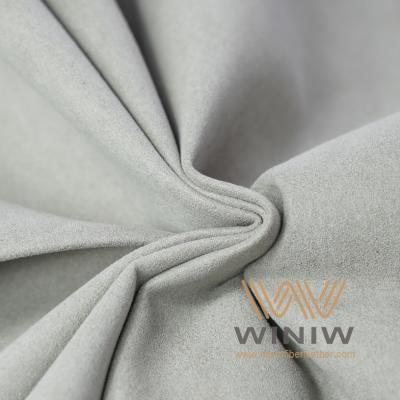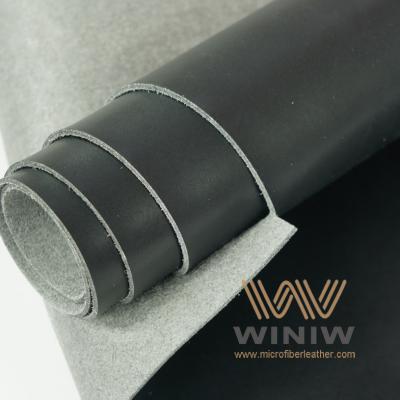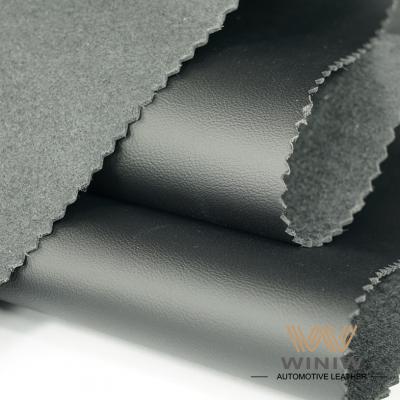
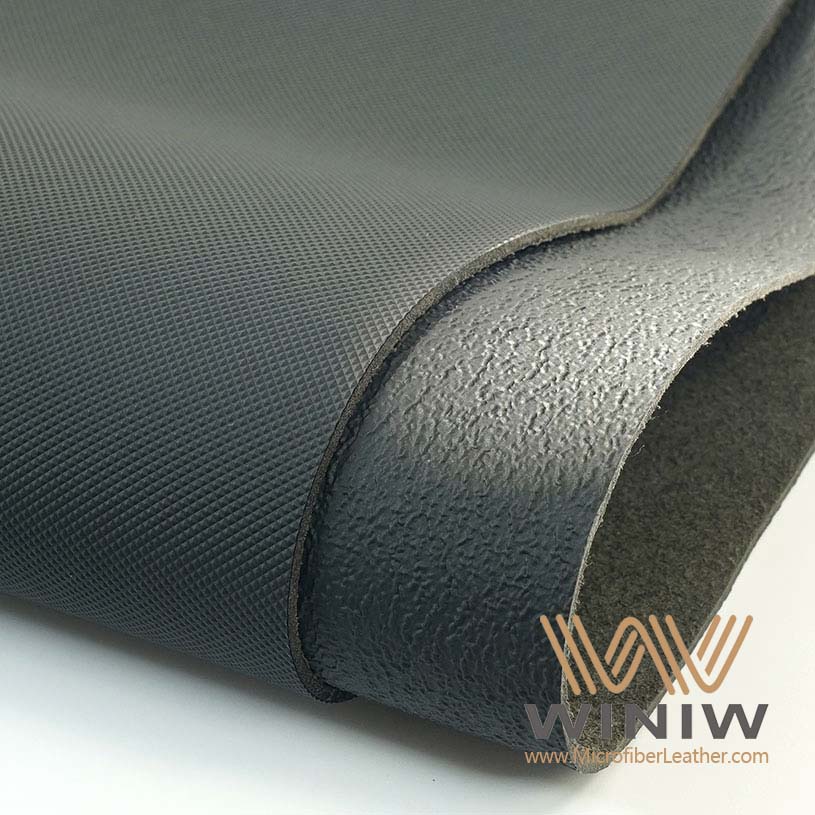
Você reconhece o couro natural como um material feito a partir de peles de animais. O couro natural se destaca por sua durabilidade, respirabilidade e textura única. Você o vê se moldar ao seu corpo e desenvolver personalidade com o tempo. Entender como o couro se transforma em couro natural ajuda a apreciar seu conforto e versatilidade.
Tecido de couro natural É feito de peles de animais, principalmente de vaca, ovelha, porco e cabra. Cada tipo oferece qualidades únicas, portanto, escolha com base nas suas necessidades.
O processo de curtimento é crucial. Ele estabiliza as fibras de colágeno, tornando o couro durável e resistente à água. Considere o método de curtimento em termos de qualidade e impacto ambiental.
Couro produtos São versáteis e utilizadas na moda, em mobiliário e muito mais. Compreender como o couro é produzido ajuda a apreciar o seu trabalho artesanal e a fazer escolhas informadas.
Você percebe que tecido de couro natural O couro se destaca por sua durabilidade, flexibilidade e textura única. Ao tocá-lo, você sente uma superfície lisa e granulada que resiste ao desgaste. A estrutura do couro se baseia em fibrilas de colágeno e feixes de fibras. Essas proteínas criam uma rede flexível e resistente que confere força ao couro. A camada papilar e o cório adicionam ainda mais resistência e flexibilidade. O processo de curtimento estabiliza essas fibras, tornando o couro resistente à decomposição e aos danos causados pela água.
Dica: As interações microscópicas das fibras de colágeno durante o curtimento melhoram a durabilidade e a flexibilidade do couro, tornando-o ideal para o uso diário.
É possível comparar o couro com outros materiais têxteis consultando estudos científicos. A durabilidade e a resistência ao desgaste do couro dependem do tipo de revestimento. Tecidos de algodão apresentam maior resistência do que alguns tecidos de poliéster, mas couros reforçados com tecido trançado possuem a maior resistência à tração e ao estouro. Diferentes tipos de couro se comportam de maneira distinta, de acordo com suas propriedades físicas.
|
Aspecto característico |
Descrição |
|---|---|
|
Fibrilas e feixes de fibras de colágeno |
Proteínas fibrosas fundamentais que proporcionam alta resistência à tração e durabilidade; entrelaçadas para formar uma rede flexível e resiliente. |
|
Superfície externa (superfície do grão) |
Textura lisa e densa com folículos; contribui para o apelo estético e durabilidade. |
|
Camada Papilar |
Camada fina rica em fibrilas de colágeno; confere resistência e flexibilidade para evitar rasgos. |
|
Corium |
Camada mais espessa com feixes de fibras densamente compactados e fibrilas de colágeno; principal fonte de integridade estrutural e resistência à tração. |
|
Processo de curtimento |
Tratamento químico que estabiliza as fibrilas de colágeno e os feixes de fibras; aumenta a durabilidade e a resistência à decomposição; inclui curtimento vegetal e ao cromo. |
|
Informações sobre ciência dos materiais |
As interações microscópicas e a ligação das fibrilas de colágeno, influenciadas pelos métodos de curtimento, melhoram a durabilidade e a flexibilidade do couro. |
Você costuma perguntar do que é feito o couro. A resposta começa com peles de animais. Essas peles são principalmente subprodutos das indústrias de carne e laticínios. O principal componente das peles de animais é o colágeno, uma proteína que forma a estrutura principal do couro. Durante o processo de curtimento, o colágeno é estabilizado, o que impede a deterioração da pele e torna o couro resistente à água e durável.
Você pode estar se perguntando como a estrutura do colágeno afeta o couro. O colágeno é uma proteína de tripla hélice conhecida por sua resistência à tração. As fibras de colágeno são densamente compactadas e interligadas, formando um material robusto. Essa estrutura confere ao couro uma resistência excepcional a rasgos e abrasões.
As fibrilas de colágeno são as proteínas fundamentais que conferem resistência à tração.
Essas fibrilas se agrupam para formar feixes de fibras, aumentando a robustez.
O entrelaçamento hierárquico das fibrilas cria uma rede flexível e resistente.
Você descobre que o couro não é feito apenas de colágeno. O processo de curtimento adiciona substâncias químicas que estabilizam as fibras e melhoram a durabilidade. A combinação de colágeno e agentes curtidores cria um material que dura anos.
|
Nível de estrutura |
Descrição |
|---|---|
|
Fibril |
Estrutura helicoidal secundária organizada formada por moléculas de colágeno. |
|
Feixes de fibrilas |
Feixes maiores formados a partir de fibrilas. |
|
Fascículos |
Agrupamentos de feixes de fibrilas. |
|
Feixes de fibra |
A estrutura final proporciona resistência e durabilidade gerais. |
Como você pode ver, o couro é feito de uma matriz tridimensional de colágeno, o que o torna resistente e flexível.
Você descobrirá que a maior parte do couro natural provém de algumas espécies animais. A maior parte do couro é proveniente de vacas, que contribuem com cerca de 65% da oferta mundial. Ovelhas fornecem 15% do couro, porcos representam 11% e cabras contribuem com 9%. Menos de 0,2% do couro provém de outros animais.
65% do couro é proveniente de vacas.
15% provém de ovelhas.
11% provém de porcos.
9% provém de cabras.
Menos de 0,2% é derivado de outros animais.
Você perceberá que os couros de animais dessas origens oferecem qualidades diferentes. O couro bovino produz um couro grosso e durável. O couro ovino resulta em um couro mais macio e leve. Já o couro suíno e caprino adicionam variedade em textura e resistência. Ao escolher produtos de couro, você pode considerar a origem para atender às suas necessidades.
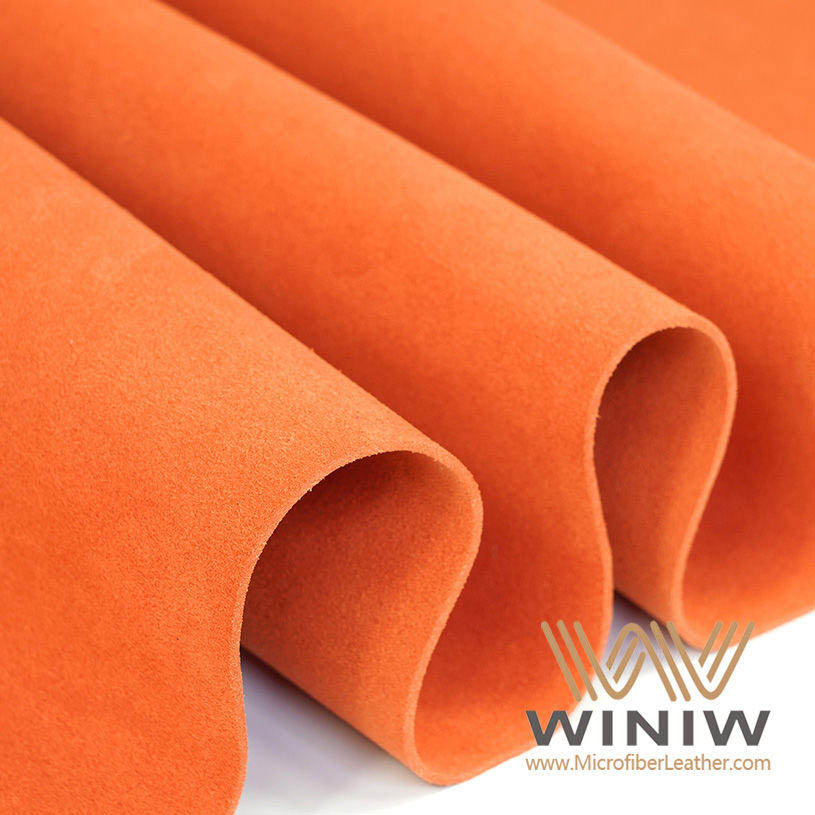
Você pode se perguntar como o couro é transformado de peles de animais no material durável que vemos em sapatos, bolsas e móveis. O processo envolve três etapas principais: preparação das peles, curtimento e acabamento pós-curtimento. Cada etapa transforma a pele animal bruta em couro flexível e resistente.
O processo começa com a coleta de peles de animais, geralmente um subproduto da indústria da carne. A etapa de preparação é crucial, pois determina a qualidade do couro final. Veja como o processo se desenrola:
Coleção de Peles Você seleciona e obtém peles de animais, garantindo qualidade e frescor.
Limpeza Você remove contaminantes, sujeira e excesso de tecido das peles.
Armazenar Você armazena peles em condições controladas para evitar que se estraguem.
Deixar de molho/lavar Você reidrata as peles e remove os sais usados na conservação.
Liming Você trata as peles com uma solução alcalina forte de cal para soltar e remover os pelos.
Descarnar/Depilar Você remove mecanicamente os pelos e o excesso de pele.
Dessalinização e remoção da carne Você remove o sal e quaisquer resíduos restantes.
Divisão Você divide as peles em camadas, sendo a camada superior a mais valiosa.
Descascamento e Isolamento Utilizam-se ácidos fracos e enzimas para limpar o grão e restaurar a sua elasticidade.
Conserva As peles são mergulhadas em uma solução ácida para prepará-las para o curtimento.
Observação: Surfactantes, cal, sulfeto de sódio, ácidos fracos e proteases são produtos químicos comuns usados nessas etapas. Cada tratamento ajuda a limpar, amaciar e preparar o couro para a próxima fase.
O curtimento é a essência da produção de couro. Esta etapa transforma a pele preparada em um couro resistente à deterioração, que adquire sua flexibilidade e resistência características. As peles são imersas em agentes curtidores que estabilizam as fibras de colágeno, prevenindo a decomposição e conferindo ao couro sua durabilidade.
Existem dois métodos principais de bronzeamento:
|
Aspecto |
Curtimento vegetal |
Bronzeamento ao cromo |
|---|---|---|
|
Agentes de bronzeamento |
Taninos naturais provenientes da casca, folhas e raízes das árvores. |
Sais de cromo e ácidos sintéticos |
|
Duração do processo |
Até dois meses, principalmente manual. |
Cerca de um dia, industrial e rápido |
|
Espessura do couro |
Espesso, orgânico, desenvolve uma pátina única ao longo do tempo. |
Fino, macio, cor uniforme |
|
Impacto ambiental |
Biodegradável, livre de toxinas e metais pesados. |
Produz águas residuais tóxicas com cromo, chumbo e formaldeído. |
|
Envelhecimento e durabilidade |
Envelhece lindamente, amacia com o uso, dura décadas |
Envelhece mal, racha rapidamente, odor químico |
|
Cor e Estética |
Tons quentes e terrosos, desenvolve pátina. |
Cores vivas e uniformes, brilho artificial, cheiro químico |
|
Uso e Qualidade |
Durável, ideal para peças de família, grão integral, aroma natural. |
Usado na moda rápida, revestido com acrílicos, vida útil mais curta. |
curtimento vegetal Utiliza taninos de origem vegetal e leva semanas ou meses. O resultado é um couro orgânico espesso que desenvolve uma rica pátina.
curtimento ao cromo Utiliza sais de cromo e realiza acabamentos em um único dia. O resultado é um couro macio e flexível com cores vibrantes, porém com um impacto ambiental maior.
A maior parte do couro mundial — cerca de 56,8% — provém do curtimento ao cromo, enquanto o curtimento vegetal representa 21,4%. A escolha do método afeta a aparência, o toque e a sustentabilidade do couro.
Dica: O curtimento preserva a pele e a transforma em um material resistente à deterioração. O processo estabiliza as fibras de colágeno, conferindo ao couro sua resistência e flexibilidade.
Após o curtimento, passam-se as etapas de pós-curtimento que refinam o couro e o preparam para uso:
Classificação Você separa o couro para determinar seu melhor uso.
Rebronzeado Você coloca o couro em um tambor e aplica fórmulas para adicionar cor, personalidade e desempenho.
Recheio quente Você introduz óleos e ceras naturais para nutrir o couro e prevenir sua deterioração.
Acabamento Você tinge, lustra, estampa e aplica revestimentos protetores. Essas etapas melhoram a aparência, a textura e a durabilidade do couro.
O processo de acabamento é essencial. Com resinas e pigmentos, melhora-se o apelo visual, e aumenta-se o desempenho com o incremento da resistência superficial e da durabilidade. Isso garante que o couro atenda aos padrões exigidos para produtos como bolsas, calçados e móveis.
Você encontra diversos tipos de couro natural, cada um com qualidades únicas:
|
Tipo de couro |
Características |
Vantagens |
|---|---|---|
|
Couro de flor integral |
Feito com a camada superior, preserva a textura natural e é conhecido por sua durabilidade. |
Durabilidade excepcional, desenvolve uma bela pátina e mantém as características naturais do couro. |
|
Couro de flor integral |
Também da camada superior, lixada para um acabamento mais liso, menos durável. |
Aparência lisa e uniforme, mais macia e acessível do que a versão de grão integral. |
|
Couro de grão dividido |
Feito com camadas inferiores, mais frágil e menos durável. |
Mais acessível, adequado para produtos onde a durabilidade é menos importante. |
Couro de flor integral Oferece a mais alta qualidade e durabilidade. Com o tempo, você verá desenvolver uma rica pátina.
Couro de flor integral É mais macio ao toque e tem uma aparência mais uniforme, o que o torna popular para peças de moda.
Couro de flor dividida Custa menos e funciona bem para produtos onde a resistência não é a principal preocupação.
O couro está presente em muitos produtos do dia a dia. Sua durabilidade, flexibilidade e aparência clássica o tornam um material favorito na moda, em móveis e muito mais.
Vestuário Jaquetas, casacos, calças, saias e coletes.
Calçados Sapatos, botas, sandálias, mocassins e tênis.
Acessórios Bolsas, carteiras, cintos, luvas e chapéus.
Mobília Sofás, poltronas, cadeiras reclináveis, pufes e cadeiras de jantar.
interiores automotivos : Bancos de carro, capas de volante, manoplas de câmbio e apoios de braço.
Bagagem Malas, sacos de lona, mochilas, pastas e bolsas de viagem.
Encadernação Livros encadernados em couro, diários, cadernos e álbuns de fotos.
Vestuário industrial e de trabalho Luvas e aventais de proteção.
Artigos esportivos Luvas de beisebol e bolas de futebol.
Equipamento equestre Selas e freios.
Observação: O mercado global de produtos de couro natural atingiu US$ 97,4 bilhões em 2025 e a projeção é de que cresça para US$ 148,6 bilhões até 2033. A popularidade do couro se faz presente tanto em itens de luxo quanto em artigos do dia a dia.
A transformação de peles de animais em tecido de couro aumenta a flexibilidade e a durabilidade. O curtimento estabiliza as fibras de colágeno, tornando o material forte e resistente a rasgos e abrasões. A camada de cório sob a flor adiciona elasticidade e resiliência, enquanto as etapas de acabamento aprimoram ainda mais a textura e o desempenho.
Ao entender como o couro é produzido, você poderá apreciar melhor o trabalho artesanal por trás de cada produto e fazer escolhas conscientes ao selecionar artigos de couro.
Agora você sabe que o couro provém da pele de animais e se destaca por sua durabilidade, respirabilidade e pátina única. O processo inclui a preparação das peles, o curtimento e o acabamento. Ao entender como o couro é produzido, você pode escolher produtos que refletem qualidade, sustentabilidade e práticas éticas na indústria do couro.
Você percebe que o couro é feito a partir da pele de animais. Materiais sintéticos Use plásticos. O couro tem um toque natural, dura mais e desenvolve uma aparência única com o uso.
Limpe o couro com um pano macio. Evite água e produtos químicos agressivos. Guarde o couro em local fresco e seco para evitar danos.
Você percebe que o couro utiliza subprodutos animais. O curtimento vegetal gera menos poluição. O curtimento ao cromo produz resíduos. Você escolhe o couro curtido vegetalmente como uma opção mais ecológica.
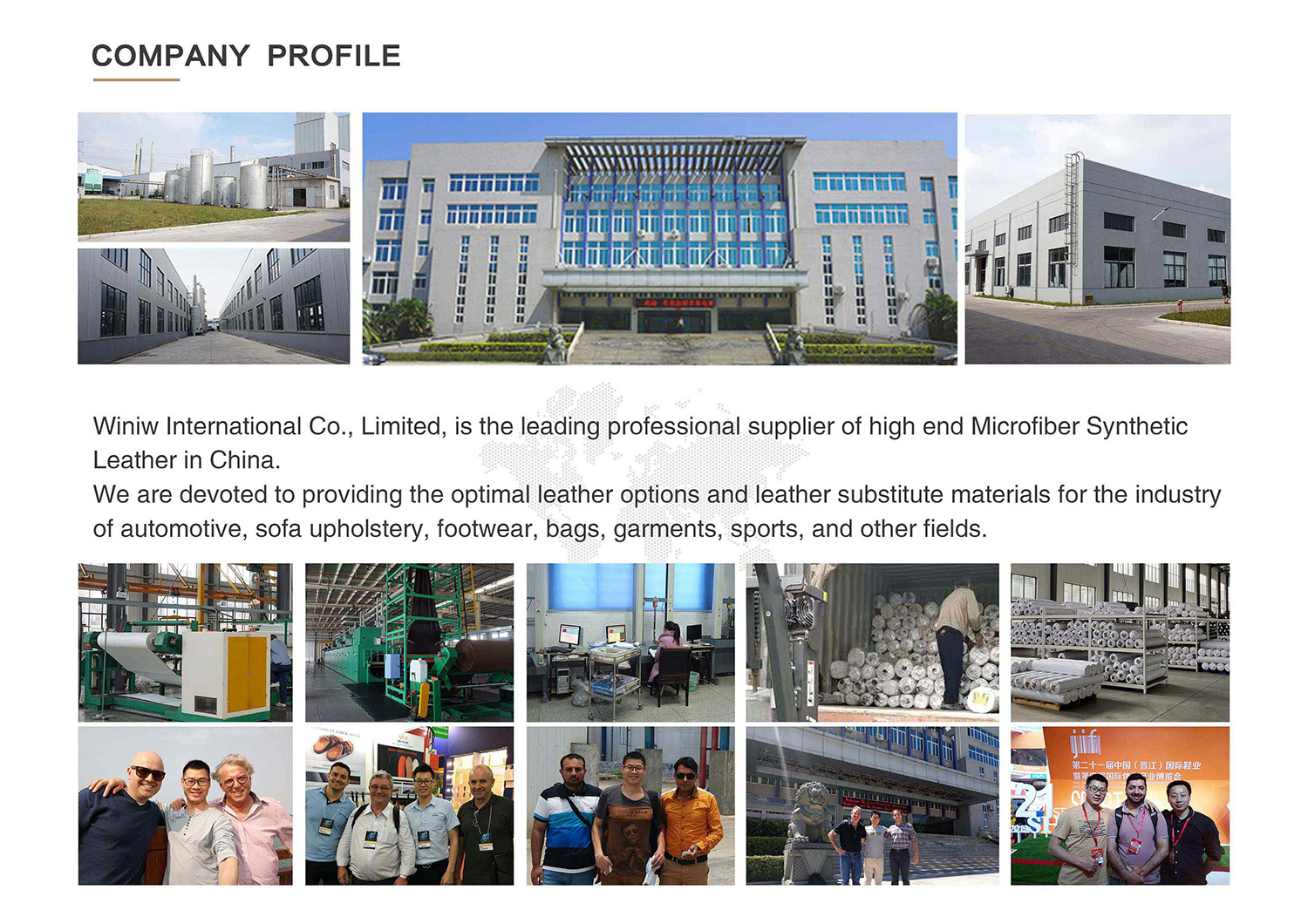
Winiw International Co.,Ltd


Digitalizar para wechat:



 Tel. : +86 18150976625
 Email : Market@MicrofiberLeather.com