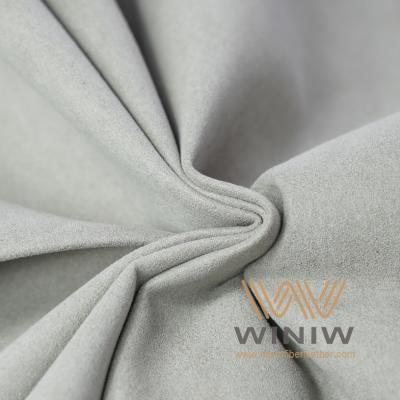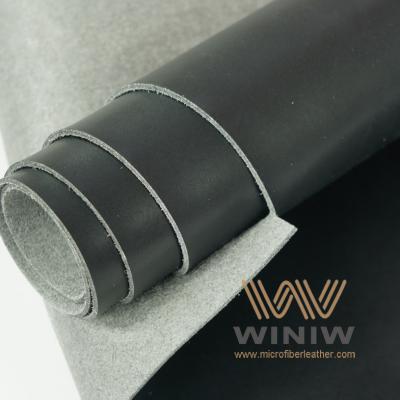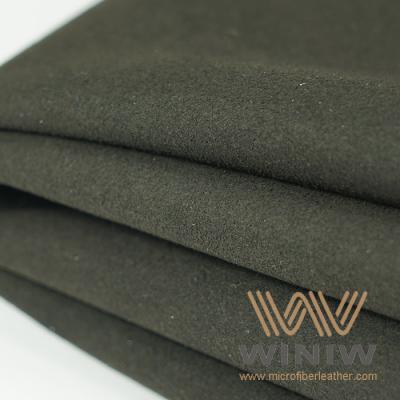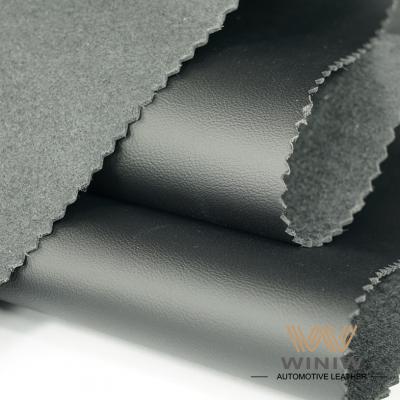
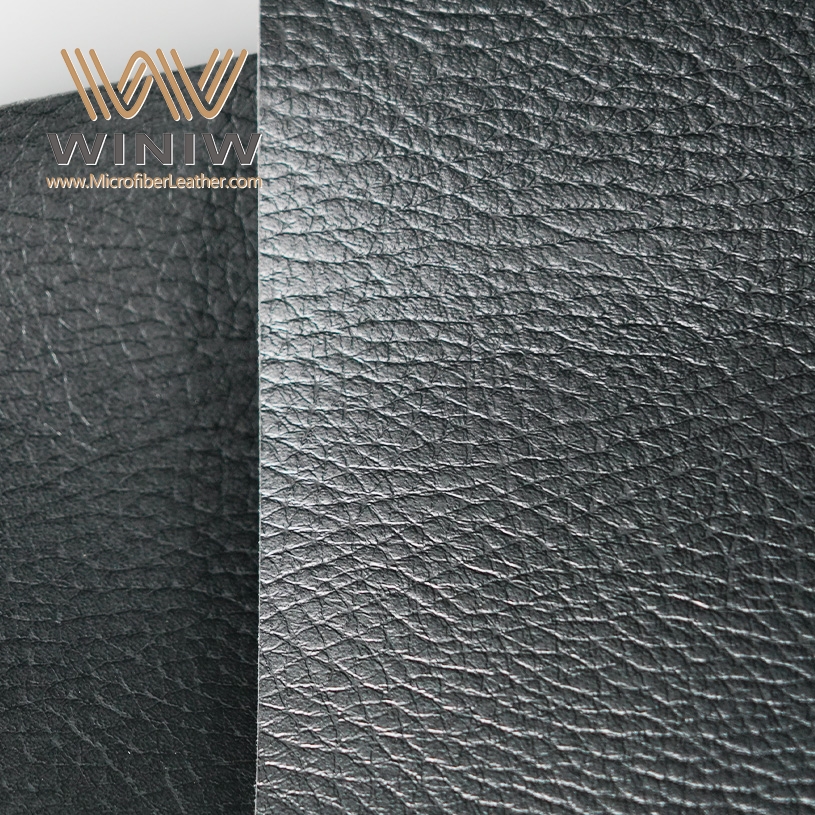
Você experimenta o preto nobuck como um couro feito da camada externa da pele.
Você percebe sua textura aveludada e macia, além do toque luxuoso.
Você se beneficia de sua alta durabilidade e aparência sofisticada, que confere estilo a sapatos, jaquetas e bolsas.
O nobuck preto resiste melhor ao desgaste do que a camurça e é mais macio ao toque do que a maioria dos outros tipos de couro.
Couro nobuck preto É feito da camada externa da pele animal, o que lhe confere uma textura macia e aveludada, além de alta durabilidade.
O nobuck é mais resistente ao desgaste do que a camurça, tornando-se uma opção melhor para itens do dia a dia, como sapatos e jaquetas.
Limpeza e condicionamento regulares com produtos adequados. produtos Pode prolongar a vida útil do seu nobuck preto, mantendo-o com uma aparência nova e elegante.
Você encontra o nobuck preto como um tipo especial de couro nobuck que se destaca pela sua cor profunda e rica e pelo toque macio e aveludado. Os fabricantes criam o nobuck preto a partir da camada superior, ou camada mais externa, da pele animal. Na maioria das vezes, utilizam pele bovina ou de bezerro, pois essas peles oferecem resistência e durabilidade. O processo envolve lixar ou polir a parte externa da pele, o que confere ao nobuck preto seu acabamento fosco característico e textura macia. Ao contrário da camurça, que provém da camada interna da pele, o nobuck preto utiliza a camada externa mais resistente. Isso o torna mais resiliente e duradouro.
Couro nobuck Provém da camada superior do couro, principalmente de vacas ou bezerros.
A superfície é lixada para criar uma textura de fibras curtas, resultando em um acabamento macio, semelhante à camurça.
O nobuck preto apresenta um aspecto fosco e um toque luxuoso.
As espessas fibras de colágeno da camada externa conferem resistência ao couro nobuck.
Você percebe que o nobuck preto combina elegância com praticidade para o dia a dia. Sua textura única e durabilidade o tornam uma escolha popular para sapatos, jaquetas e acessórios.
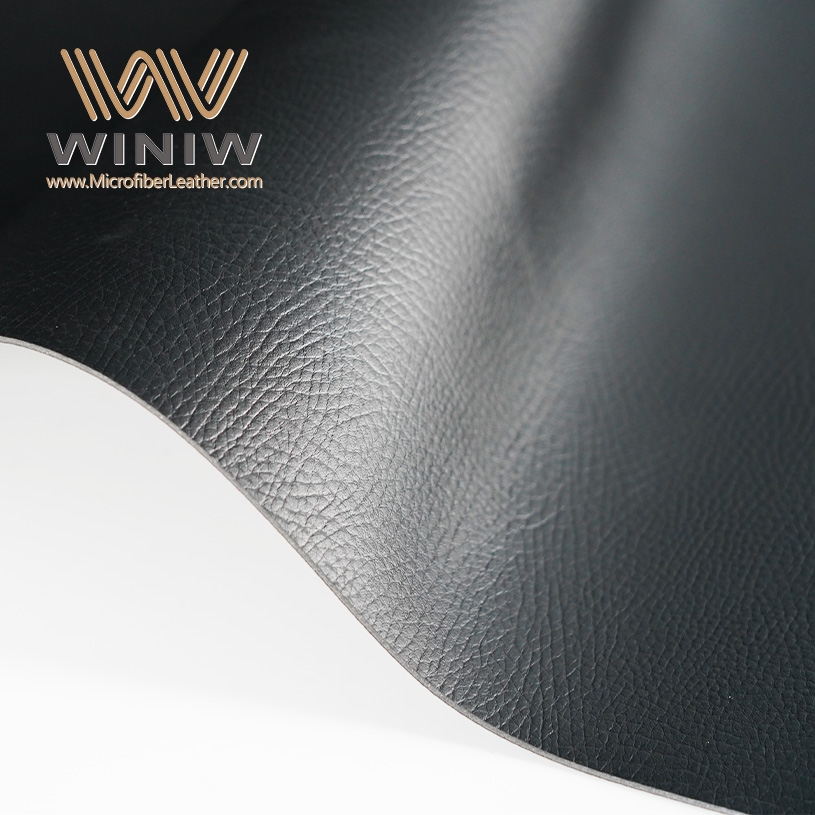
É possível compreender a qualidade do couro nobuck preto observando como ele é produzido. O processo envolve diversas etapas cuidadosas para garantir que o produto final seja ao mesmo tempo bonito e resistente.
Seleção de peles: Trabalhadores qualificados selecionam peles de alta qualidade de bovinos jovens ou bezerros, visando uma textura lisa e fina.
Pré-tratamento: Os couros são limpos para remover pelos, sujeira e outras impurezas.
Curtimento: Os couros são tratados com sais de cromo para prevenir a deterioração e estabilizar o couro.
Lixamento: A camada externa do couro é lixada para criar a textura aveludada que define o couro nobuck.
Tingimento: Após o lixamento, o couro é tingido para atingir a cor desejada, como o preto profundo do nobuck preto.
Acabamento: É aplicado um tratamento protetor para melhorar a resistência à água e proteger contra manchas e desgaste.
Você pode ver que cada etapa do processo contribui para a durabilidade e beleza do nobuck preto. A etapa de lixamento é especialmente importante porque cria a superfície macia e aveludada que diferencia o couro nobuck de outros tipos.
É possível identificar as qualidades únicas do nobuck preto examinando suas principais características. A tabela abaixo destaca o que torna o couro nobuck especial:
|
Recurso |
Descrição |
|---|---|
|
Textura aveludada |
O couro nobuck possui uma textura fina e macia, com um toque suave. |
|
Durabilidade |
Feito com a flor integral da madeira, o nobuck é mais durável que a camurça. |
|
Aparência fosca |
O nobuck oferece um acabamento fosco e sem brilho, proporcionando um visual elegante. |
|
Respirabilidade |
O nobuck é respirável, tornando-o confortável tanto para calçados quanto para roupas. |
|
Envelhecer com graça |
O nobuck desenvolve uma bela pátina com o tempo, adicionando um charme natural. |
Você se beneficia da durabilidade e respirabilidade do nobuck preto, especialmente em calçados e agasalhos. Testes de laboratório mostram que o couro nobuck resiste melhor ao desgaste do que a camurça, pois é feito com a camada externa mais resistente da pele. O nobuck também absorve menos água do que a camurça, o que significa que seus itens de nobuck preto duram mais e ficam ainda mais bonitos com o passar do tempo.
Dica: Se você busca um couro que combine estilo, conforto e resistência, o nobuck preto é uma escolha inteligente. Entre os benefícios do nobuck estão sua capacidade de envelhecer com elegância e sua resistência ao desgaste diário.
Agora você já sabe que o couro nobuck preto se destaca por seu toque luxuoso, resistência e aparência atemporal. Essas qualidades explicam por que tantas pessoas escolhem o nobuck preto tanto por sua elegância quanto por sua funcionalidade.
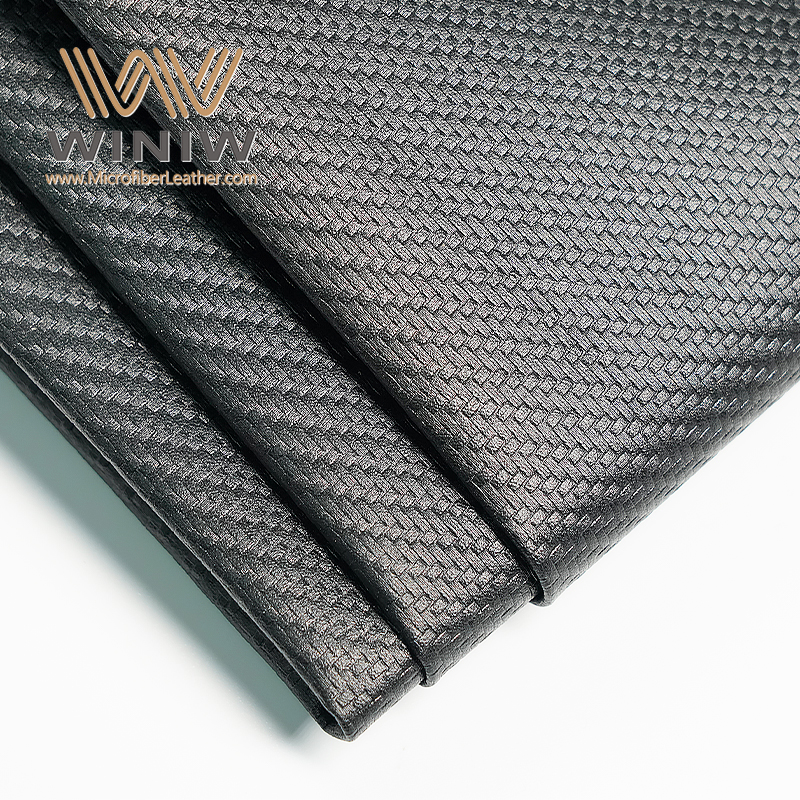
Ao comparar o nobuck e a camurça, percebem-se diferenças claras na textura e na aparência. O nobuck destaca-se pelo seu acabamento macio, aveludado e fosco. Esse acabamento proporciona respirabilidade e um visual robusto, ideal para peças do dia a dia. A camurça, por outro lado, é mais macia e flexível. Muitas marcas de luxo utilizam a camurça por sua superfície lisa e elegante.
Você pode ver essas diferenças na tabela abaixo:
|
Recurso |
Nobuck |
Camurça |
|---|---|---|
|
Fonte |
Camada externa da pele |
Camada interna do couro |
|
Textura |
Mais espesso, mais resistente e mais grosso. |
Mais macio, maleável e delicado |
|
Durabilidade |
Mais resistente ao desgaste. |
Menos resistente, mais suscetível a manchas. |
|
Estética |
Semirrígido com pelo pronunciado |
Sensação mais suave e luxuosa |
O nobuck é mais espesso que a camurça, o que o torna mais robusto e adequado para itens de uso frequente. A textura do nobuck é mais pronunciada, conferindo-lhe uma estética semirústica. A camurça oferece um toque mais suave e luxuoso, mas é menos indicada para uso intenso. O acabamento do nobuck envolve o lixamento da camada externa, criando uma superfície uniforme e aveludada. Já a camurça é feita a partir da camada interna, por isso possui uma estrutura de fibras mais macia e uma textura variada.
Observação: Originalmente, o nobuck era feito com a pele de veados, alces ou cervos machos. Hoje em dia, o couro nobuck genuíno é geralmente feito com pele de bezerro. O processo de lixamento e tingimento confere ao nobuck uma cor uniforme e suave ao toque.
Você descobrirá que as diferenças entre o nobuck e a camurça vão além da aparência e do toque. A origem do couro desempenha um papel fundamental em suas propriedades. O couro nobuck provém da camada externa da pele do animal, também chamada de flor. Essa parte é a mais robusta e densa. Já a camurça é produzida a partir da superfície interna das camadas de couro dividido, o que a torna mais macia e flexível.
O nobuck possui uma superfície densa que oferece maior resistência ao desgaste diário. Você pode usar nobuck para sapatos, bolsas e jaquetas que precisam durar. A camurça, embora bonita, é mais delicada e requer cuidado no manuseio. Ela absorve umidade com facilidade, o que pode causar manchas e deterioração mais rápida.
Aqui está uma comparação rápida:
O nobuck é mais resistente a arranhões e desgaste devido à sua superfície densa.
A camurça é mais frágil e não é adequada para uso diário.
O nobuck retorna à sua cor original após secar, enquanto a camurça pode apresentar manchas de água.
Se você busca um material resistente ao uso frequente, o nobuck oferece vantagens claras. A durabilidade do couro nobuck em comparação com o couro camurça o torna a melhor escolha para itens sujeitos a desgaste regular.
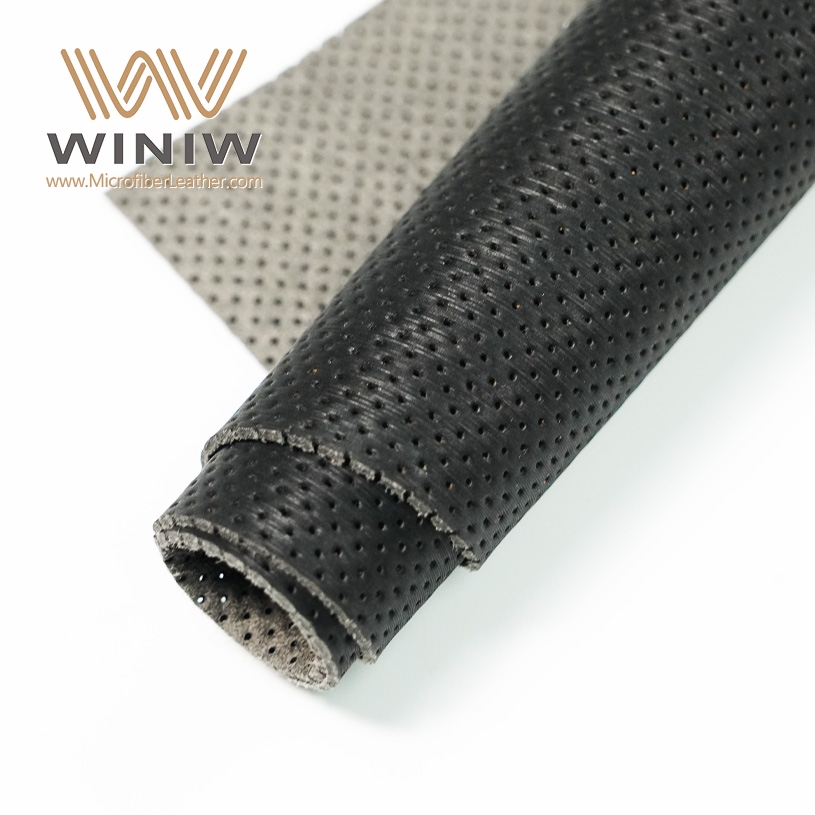
Ao analisar os custos, percebe-se que o nobuck geralmente é mais caro que a camurça. Essa diferença de preço se deve à origem do material. O nobuck é feito da parte mais resistente do couro, que é mais difícil de obter e processar. A camurça é feita de uma parte menos nobre do couro, o que a torna mais acessível, porém menos durável.
Você também pode notar imperfeições em ambos os materiais. O couro nobuck é mais propenso a arranhões e marcas do que a camurça. Essas imperfeições conferem ao nobuck sua aparência rústica característica. Muitos especialistas em couro acreditam que essas marcas realçam o aspecto único do nobuck. A camurça, com sua superfície mais lisa, disfarça melhor as marcas, mas pode mostrar manchas e marcas d'água com mais facilidade.
Aqui estão alguns pontos importantes para lembrar:
Os produtos de nobuck costumam custar mais porque são feitos com a camada externa do couro.
A camurça geralmente é mais barata e mais flexível, mas não dura tanto.
As imperfeições do nobuck contribuem para o seu caráter e são vistas como parte do seu charme.
Dica: Se você valoriza durabilidade e um estilo único e robusto, o nobuck vale o investimento. Se prefere um toque mais macio e luxuoso e não se importa com cuidados extras, a camurça pode atender às suas necessidades.
Ao ponderar as vantagens e desvantagens do nobuck, percebe-se que ele oferece resistência, estilo e longa durabilidade. No entanto, as desvantagens do nobuck incluem seu preço mais elevado e sua tendência a riscar com facilidade. Comparando o couro nobuck com o couro de flor integral, nota-se que o nobuck mantém grande parte da resistência do couro de flor integral, mas com um toque mais macio. As diferenças entre o nobuck e a camurça ajudam você a escolher o material certo para seu estilo de vida e preferências.
Você pode estar se perguntando como o nobuck se compara ao couro de flor integral. Ambos os materiais provêm da camada superior da pele, mas oferecem experiências diferentes. O nobuck é macio ao toque e tem um aspecto fosco, enquanto o couro de flor integral desenvolve uma pátina protetora com o tempo. Você perceberá que o couro de flor integral resiste melhor à água e à abrasão do que o nobuck. A tabela abaixo destaca essas diferenças:
|
Recurso |
Couro nobuck preto |
Couro de flor integral |
|---|---|---|
|
Textura |
Maciez superior, estética fosca |
Desenvolve uma pátina protetora. |
|
Durabilidade |
Menor resistência a manchas, requer mais cuidado. |
Excelente resistência à água e à abrasão |
|
Manutenção |
Requer escovação, impermeabilização e cuidados mais frequentes. |
Necessita de limpeza delicada e condicionamento ocasional. |
É necessário escovar e impermeabilizar o nobuck com frequência. Já o couro de flor integral requer apenas limpeza e hidratação suaves a cada poucos meses. Na maioria das lojas, o couro de flor integral costuma ser mais caro que o nobuck devido à sua textura natural e ao seu status de produto de luxo.
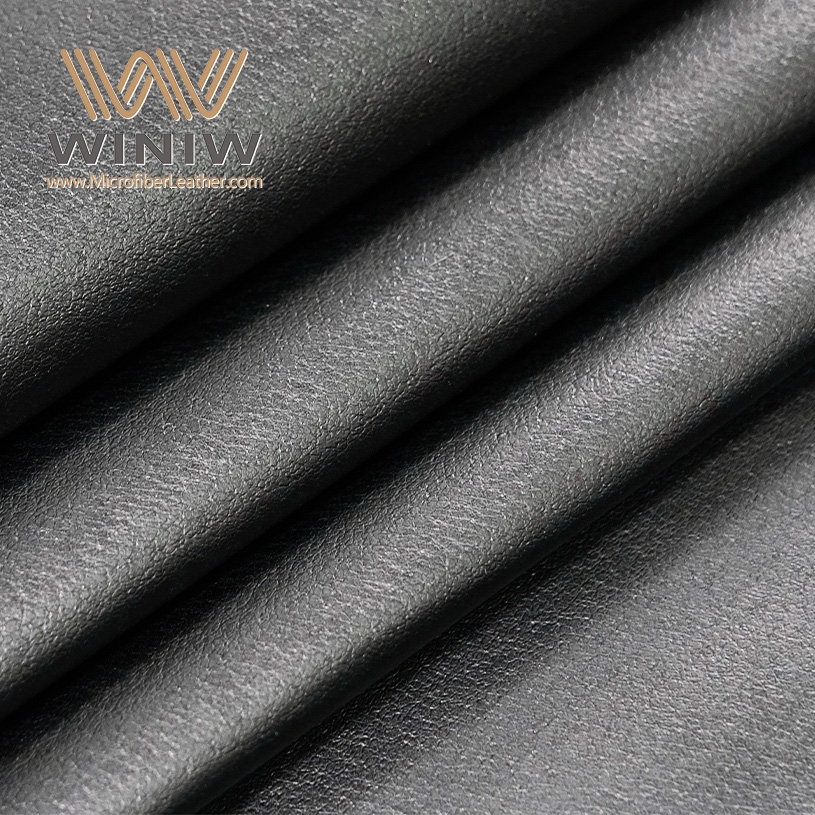
Você também pode comparar o nobuck ao couro de flor integral. O nobuck tem uma superfície macia, semelhante a veludo, criada pelo lixamento. O couro de flor integral mantém sua textura natural e tem uma textura mais firme. O nobuck é mais propenso a manchas e arranhões, por isso precisa ser limpo regularmente. O couro de flor integral possui um acabamento protetor que facilita a manutenção e o torna mais resistente à água. O nobuck pode absorver muita água, então você deve evitar usá-lo em condições úmidas, a menos que o trate previamente.
|
Recurso |
Couro nobuck preto |
Couro de flor integral |
|---|---|---|
|
Textura |
Superfície macia e aveludada devido ao lixamento. |
Preserva a textura natural. |
|
Durabilidade |
Mais suscetível a manchas e arranhões. |
Geralmente mais durável |
|
Manutenção |
Requer cuidados especiais e limpeza regular. |
Mais fácil de manter. |
Dica: Escolha couro de flor integral para ambientes onde você precisa de maior resistência à água. Opte pelo nobuck para um toque mais macio e um visual único.
Você encontrará muitos usos para Nobuck na moda e acessórios As marcas de calçados usam nobuck para sapatos e botas de luxo por ser um material durável e confortável. Muitos designers escolhem o nobuck para bolsas, carteiras e acessórios, conferindo um toque sofisticado. O nobuck também pode ser encontrado em jaquetas, casacos e até cintos. Os principais usos do nobuck incluem:
Calçado: Sapatos e botas que combinam conforto e estilo.
Acessórios: Bolsas, carteiras e cintos com um visual sofisticado.
Vestuário: Jaquetas e casacos macios e duráveis.
O nobuck destaca-se pela sua durabilidade, suavidade, respirabilidade e aspeto sofisticado. Ao escolher o nobuck para o seu guarda-roupa, pode desfrutar de estilo e funcionalidade.
Você pode manter seu nobuck preto com a melhor aparência possível com alguns hábitos simples. Use uma escova para nobuck regularmente para nobuck limpo e restaura sua textura macia. Esta escova remove a sujeira e revitaliza as fibras, deixando seu couro com aparência renovada. Aplique um spray impermeabilizante específico para nobuck duas ou três vezes por ano. Essa etapa adiciona uma camada de proteção contra água e manchas. Condicione o couro com um spray condicionador para nobuck a cada seis meses para mantê-lo flexível e evitar rachaduras.
Para limpar couro nobuck, escolha produtos específicos para couros delicados. O Limpador de Nobuck 4.5 e o Enxágue de Nobuck 3.0 são eficazes na remoção de sujeira sem danificar a superfície. Você também pode usar uma borracha para nobuck para limpeza a seco ou úmida. Para uma limpeza profunda, o Limpador de Camurça e Nobuck da Leather Honey remove a sujeira sem deixar resíduos. Sempre use uma toalha que não solte fiapos para secar o couro delicadamente.
Dica: Teste qualquer produto de limpeza ou condicionador em uma pequena área escondida primeiro para verificar se há alterações de cor.
Você pode prolongar a vida útil do seu couro nobuck preto seguindo uma rotina. Comece removendo as tiras, cadarços ou acessórios antes de limpar. Limpe a superfície com um pano úmido e, em seguida, use um pano com sabão em movimentos circulares suaves. Deixe o couro secar durante a noite. Antes de aplicar o condicionador, teste uma pequena gota no couro. Se a aparência estiver boa, aplique o condicionador com um pano limpo em movimentos circulares. Deixe o couro descansar durante a noite para completa absorção. Remova o excesso de condicionador no dia seguinte.
A limpeza e a hidratação regulares ajudam a prevenir manchas e danos causados pela água. Se você quer saber como cuidar do nobuck, lembre-se de que cuidados suaves e consistentes mantêm suas peças com aparência de novas.
É possível observar diferenças nítidas entre o nobuck preto e a camurça. A tabela abaixo destaca as principais características:
|
Recurso |
Nobuck |
Camurça |
|---|---|---|
|
Textura |
Mais fino, mais firme |
Mais macio, felpudo |
|
Durabilidade |
Dura de 3 a 5 anos |
Dura de 1 a 3 anos |
|
Resistência à água |
Melhorar |
Vulnerável |
|
Custo |
Mais alto |
Mais baixo |
Você escolhe o couro nobuck preto pela sua durabilidade, respirabilidade e estilo. Considere suas necessidades — sapatos, bolsas ou móveis — antes de selecionar o couro.

Você percebe sapatos de camurça Sapatos de nobuck são mais firmes e duram mais do que sapatos de camurça. Eles resistem melhor a arranhões. Sapatos de camurça oferecem um toque mais macio, mas mancham com mais facilidade.
Você pode usar sapatos de nobuck em eventos sofisticados. Muitas marcas utilizam nobuck em calçados de alta qualidade. Sapatos de nobuck proporcionam um visual elegante e conforto para ocasiões especiais.
Você pode encontrar camurça em sapatos e botas casuais. Já os sapatos de nobuck funcionam bem tanto para ocasiões casuais quanto formais. Ambos os materiais adicionam um toque de luxo ao seu guarda-roupa.
Winiw International Co.,Ltd


Digitalizar para wechat:



 Tel. : +86 18150976625
 Email : Market@MicrofiberLeather.com