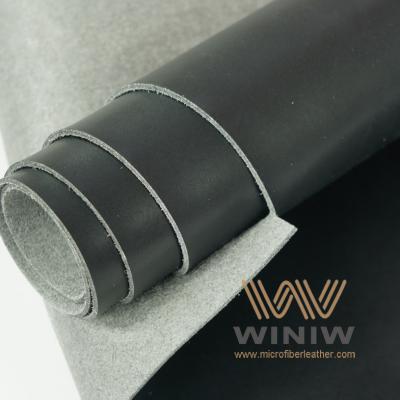
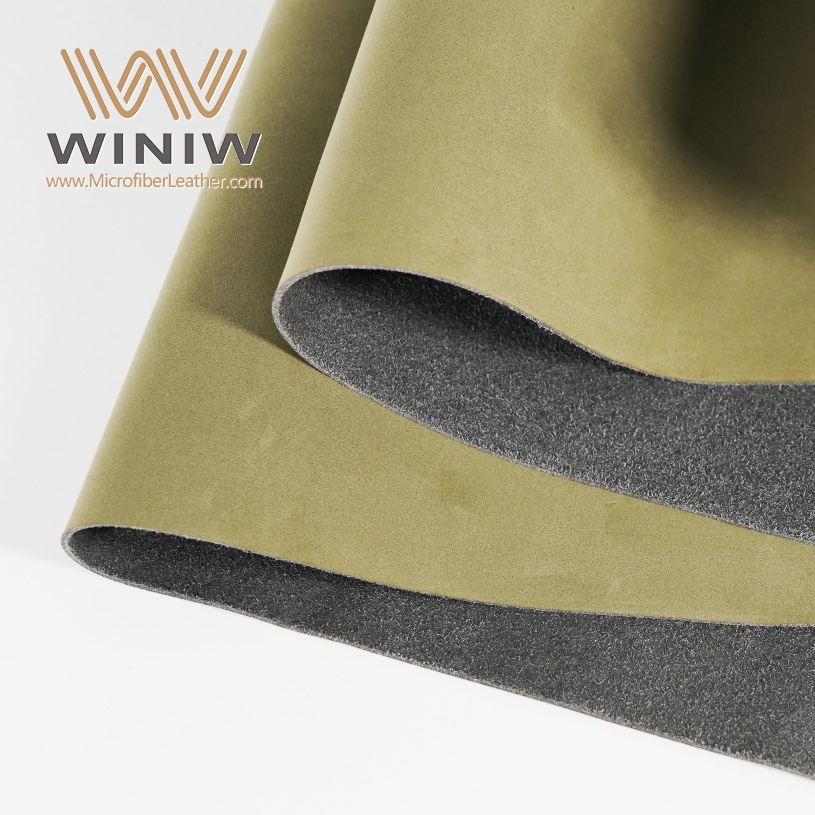
É comum encontrar couro genuíno em calçados que duram anos e oferecem conforto natural. O cabedal em couro sintético oferece calçados acessíveis, de fácil manutenção e com opções veganas. Considere a durabilidade, o custo e as questões éticas antes de escolher. Aqui está uma breve comparação:
|
Fator |
Cabedal em couro sintético |
Couro genuíno |
|---|---|---|
|
Durabilidade |
Bom, mas pode não durar tanto tempo. |
Dura muitos anos |
|
Conforto |
Projetado para o conforto |
Naturalmente respirável |
|
Custo |
Mais acessível |
Geralmente mais caro |
Couro sintético Oferece preço acessível e fácil manutenção, sendo uma ótima opção para compradores com orçamento limitado.
O couro genuíno proporciona conforto e durabilidade superiores, moldando-se aos seus pés com o tempo para um ajuste personalizado.
Ao escolher entre os materiais, leve em consideração seu estilo de vida e seus valores; o couro sintético é vegano, enquanto o couro genuíno oferece qualidade duradoura.
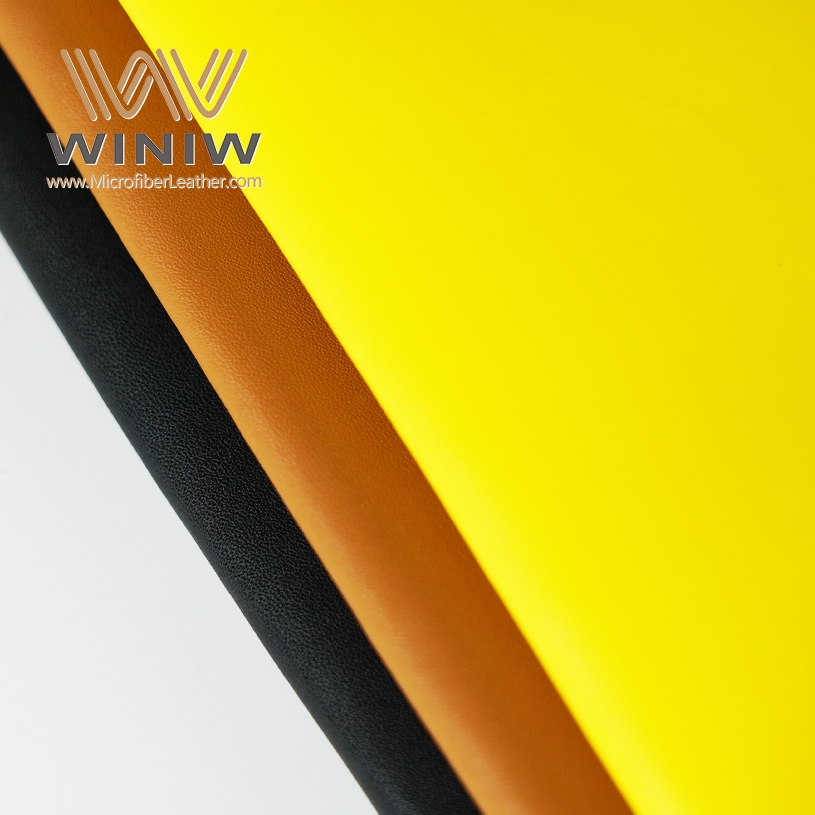
Você vê cabedal em couro sintético Atualmente, muitos calçados utilizam couro sintético. Os fabricantes criam sapatos de couro sintético usando materiais como PU (poliuretano) e PVC (policloreto de vinila). Esses cabedais sintéticos imitam a aparência e a textura do couro genuíno, mas não utilizam materiais de origem animal. produtos . Couro vegano O couro sintético, um tipo de material imitativo, geralmente é feito de materiais de origem vegetal ou reciclados. A tabela abaixo mostra os principais tipos de couro sintético usados em calçados e suas propriedades:
|
Tipo de couro sintético |
Propriedades |
Diferenças |
|---|---|---|
|
PU (Poliuretano) |
Versátil, mais leve e resistente à água. |
Imita diversos tipos de couro. |
|
PVC (Cloreto de Polivinila) |
Durável, menos respirável |
Feito de plástico, semelhante a couro. |
|
Couro vegano |
Feito de PU, PVC ou plantas. |
Sem produtos de origem animal |
Os sapatos de couro sintético oferecem diversas características que atraem o consumidor. Proporcionam uma aparência uniforme e uma superfície com toque frio e artificial. Além disso, repelem a água, sendo ideais para ambientes úmidos. Também são leves e fáceis de limpar. O mercado global de cabedal de couro sintético para calçados continua crescendo, com os sapatos de couro sintético representando mais de 30% da receita em 2024. Esse crescimento é impulsionado pelo aumento da renda e pelo desenvolvimento econômico em muitos países.
Ao escolher sapatos de couro sintético, você se beneficia da acessibilidade e da versatilidade. O cabedal de couro sintético é mais resistente à água e mais fácil de manter do que o couro genuíno. Os sapatos sintéticos atraem compradores veganos e ecologicamente conscientes. No entanto, o cabedal sintético pode não durar tanto quanto o couro verdadeiro. Os sapatos de couro sintético geralmente não são muito respiráveis, o que pode causar desconforto em climas quentes. Eles não desenvolvem uma pátina com o tempo e podem apresentar sinais de desgaste mais cedo. A tabela abaixo resume as principais vantagens e desvantagens:
|
Vantagem |
Descrição |
|---|---|
|
Acessibilidade |
Econômico |
|
Versatilidade |
Diversos modelos e cores. |
|
Resistência à água |
Adequado para condições de chuva. |
|
Baixa manutenção |
Fácil de limpar |
|
Adequado para veganos |
Sem produtos de origem animal |
|
Leve |
Reduz a fadiga nos pés |
|
Desvantagem |
Descrição |
|---|---|
|
Durabilidade |
Vida útil mais curta |
|
Respirabilidade |
Menos confortável no calor. |
|
Envelhecimento Estético |
Sem desenvolvimento de pátina |
|
Impacto ambiental |
Efeitos da produção sintética |
|
Variação de Qualidade |
A aparência e o conforto podem variar. |
Dica: Se você busca calçados acessíveis e fáceis de cuidar, os sapatos de couro sintético com cabedal em material sintético podem atender às suas necessidades. Se precisa de conforto duradouro, considere outras opções.
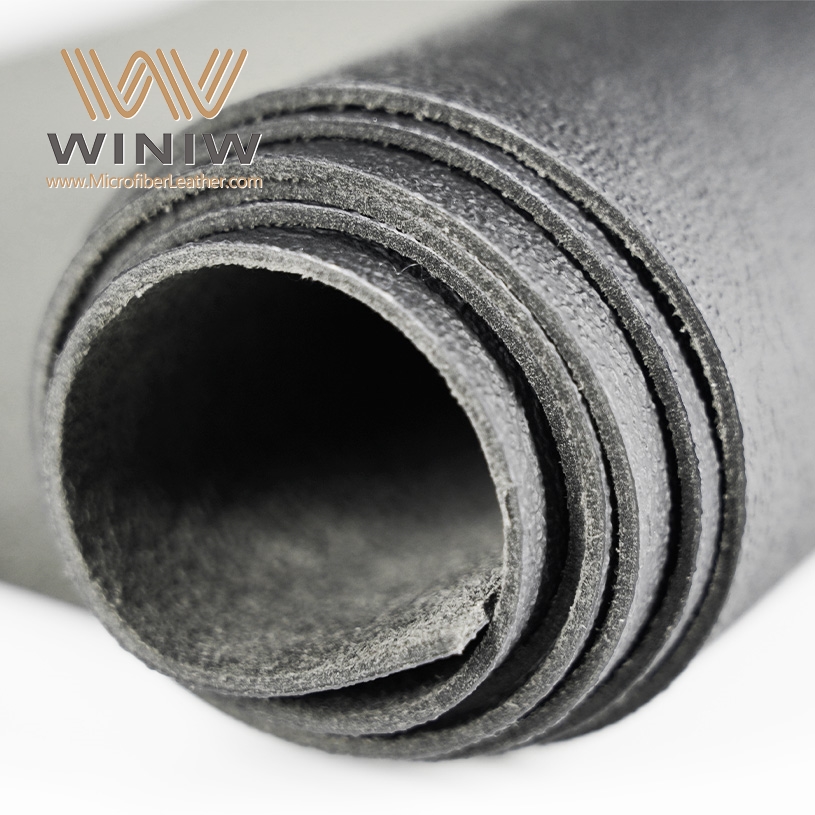
Você encontra couro genuíno em muitos calçados de alta qualidade. Os fabricantes obtêm peles de animais como vacas, cabras e ovelhas. Eles processam essas peles em diversas etapas para criar um material durável para calçados. As principais etapas incluem:
Preservação: Tratamento de peles para evitar a decomposição.
Imersão: Reidratação e limpeza das peles.
Calagem: Remoção de proteínas indesejadas.
Depilação: Retirar os pelos das peles.
Descarnação: Remoção do tecido subcutâneo.
Divisão: Cortar as peles em camadas.
Recalcificação: Tratamento adicional para abrir os poros da pele.
Descalcificação: Remoção dos produtos químicos utilizados na calagem.
Bating: Amaciamento da pele com proteínas.
Desengorduramento: Remoção das gorduras naturais.
Curtimento: Transformação de peles cruas em couro resistente, frequentemente utilizando cromo.
O curtimento vegetal utiliza taninos da casca das árvores para tornar o couro rígido e durável. O curtimento ao cromo processa as peles mais rapidamente e a um custo menor, mas pode afetar a qualidade geral.
Sapatos de couro legítimo oferecem diversas vantagens em relação a outros calçados. opções sintéticas :
Respirabilidade e durabilidade naturais.
O material se molda aos seus pés com o tempo, proporcionando um ajuste personalizado.
O couro de flor integral preserva a textura e a resistência, suportando o desgaste.
As palmilhas de couro se adaptam ao formato do seu pé, aumentando o conforto.
É necessário realizar manutenção regular para manter sapatos de couro legítimo em perfeitas condições.
Sapatos de couro legítimo duram muitos anos. Mantêm o conforto mesmo após uso prolongado, pois absorvem a umidade e previnem odores. Ao escolher calçados de couro legítimo, você investe em estilo e qualidade.
|
Prós |
Contras |
|---|---|
|
Durável |
Não é tão durável quanto o couro de flor integral ou o couro de flor superior. |
|
Confortável |
Suscetível a desgaste ao longo do tempo. |
|
apelo estético |
Custo mais elevado em comparação com as alternativas sintéticas. |
|
Mais barato que outros tipos de couro. |
Pode rasgar e arranhar facilmente |
|
Pode ser tingido ou tratado. |
Suscetível a danos causados pela água |
Dica: É preciso hidratar o couro legítimo regularmente para evitar rachaduras e manter a maciez. O couro absorve umidade, por isso é necessário secá-lo e tratá-lo com cuidado. Sapatos de couro legítimo exigem mais cuidados do que os sintéticos, mas recompensam você com conforto e estilo duradouros.
Você quer sapatos que sejam confortáveis o dia todo. Conforto e ajuste dependem de como o material da parte superior se adapta ao seu pé. O couro legítimo estica e se molda ao formato do seu pé com o tempo, proporcionando um conforto incomparável. O couro genuíno reage ao calor e à transpiração, criando um ajuste personalizado. O couro sintético, por outro lado, raramente estica ou se adapta. Você pode sentir desconforto, principalmente durante o uso prolongado. Um estudo científico com jogadores de futebol descobriu que o couro de canguru proporcionava um ajuste mais firme e preferido do que o couro sintético, que parecia mais folgado. Isso demonstra que o couro legítimo oferece conforto e ajuste superiores em comparação ao couro sintético. Se você valoriza o conforto, o couro legítimo é a melhor escolha.
O couro genuíno estica e se adapta ao seu pé.
Couro do falso Permanece rígido e pode causar desconforto.
O couro de canguru, um tipo de couro genuíno, proporciona um ajuste perfeito.
|
Material |
Respirabilidade |
Flexibilidade |
|---|---|---|
|
Couro genuíno |
Superior |
Adapta-se ao formato do pé com o tempo. |
|
Couro sintético |
Menos respirável |
Não estica nem se adapta de forma eficaz. |
Durabilidade é fundamental quando você investe em calçados. A diferença entre couro legítimo e couro sintético é evidente na durabilidade dos seus sapatos. O couro legítimo se destaca pela sua resistência e longevidade. Couros mais espessos resistem melhor ao desgaste ambiental e mantêm a qualidade. O processo de curtimento e a origem animal também influenciam a durabilidade. Couro bovino e couros exóticos são especialmente resistentes. Sapatos de couro sintético frequentemente utilizam tratamentos superficiais sintéticos que racham e descascam com o tempo. Você não verá uma pátina verdadeira se desenvolver no couro sintético, portanto, a aparência e o apelo estético não melhoram com o tempo. O couro sintético geralmente dura de 2 a 5 anos, enquanto o couro legítimo pode durar de 30 a 50 anos. Se você deseja sapatos com um visual luxuoso e duradouro, escolha couro legítimo.
A espessura do couro e os métodos de curtimento influenciam a durabilidade.
O couro sintético racha e se desprende, reduzindo sua vida útil.
O couro genuíno desenvolve personalidade e resiste ao desgaste.
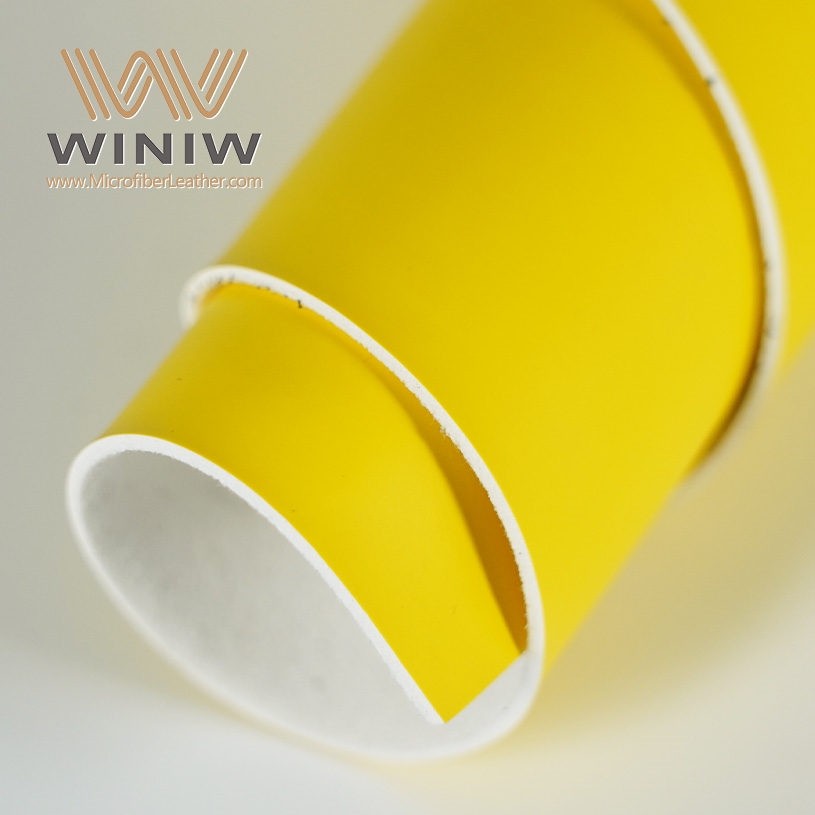
A aparência e o estilo influenciam a sua escolha de sapatos. O couro genuíno oferece um caráter único, imperfeições naturais e uma pátina que se enriquece com o tempo. O couro sintético proporciona uma textura uniforme e um visual artificial. Você pode preferir a aparência consistente do couro sintético para certos estilos, mas o couro genuíno oferece um apelo luxuoso e duradouro. A tabela abaixo destaca as principais diferenças:
|
Característica |
Couro genuíno |
Couro do falso |
|---|---|---|
|
Textura |
Imperfeições naturais e pátina única. |
Textura uniforme |
|
Aparência |
Característica e marcas únicas |
Sintético e com menos personalidade. |
|
Durabilidade |
Durável, melhora com o tempo. |
Propenso a rachaduras e descamação |
|
Respirabilidade |
Respirável e flexível |
Mais rígido |
Você encontra diversos acabamentos e cores para ambos os materiais. O couro semi-anilina equilibra aparência natural e durabilidade. O couro pigmentado oferece cor uniforme e resistência a manchas. Nobuck A camurça proporciona texturas macias, mas requer manutenção cuidadosa. Couro envernizado Proporciona um acabamento brilhante para sapatos formais. O couro pull-up desenvolve personalidade com o tempo. O couro sintético está disponível em uma ampla gama de cores e acabamentos, tornando-se uma opção acessível para estilos modernos.
Você quer sapatos fáceis de manter. O couro sintético é simples de limpar. Basta um pano úmido e sabão neutro. O couro sintético resiste a manchas e água, então você gasta menos tempo com a manutenção. O couro legítimo exige limpeza, hidratação e polimento regulares. É preciso evitar água e produtos químicos agressivos para prevenir danos. O armazenamento e a proteção adequados ajudam a manter a qualidade. As tabelas abaixo comparam as rotinas de manutenção e os custos:
|
Material |
Limpeza e manutenção |
|---|---|
|
Couro genuíno |
Requer manutenção regular, incluindo limpeza, condicionamento e polimento. É sensível à água e a produtos químicos de limpeza, e o cuidado inadequado pode causar danos irreversíveis. |
|
Couro sintético |
Mais fácil de limpar, exigindo apenas uma limpeza básica com um pano úmido e sabão neutro ocasionalmente. Menos trabalhoso e mais econômico em termos de manutenção. |
|
Fatores |
Couro do falso |
Couro genuíno |
|---|---|---|
|
Manutenção |
Fácil de manter e limpar, resistente a manchas e à água. |
Requer mais atenção e cuidado para manter a qualidade, necessitando de limpeza, condicionamento e polimento regulares. |
Dica: Se você quer sapatos que exijam o mínimo de cuidado, o couro sintético é a opção mais acessível. Se você prefere um visual luxuoso e duradouro, invista tempo em cuidar do couro legítimo.
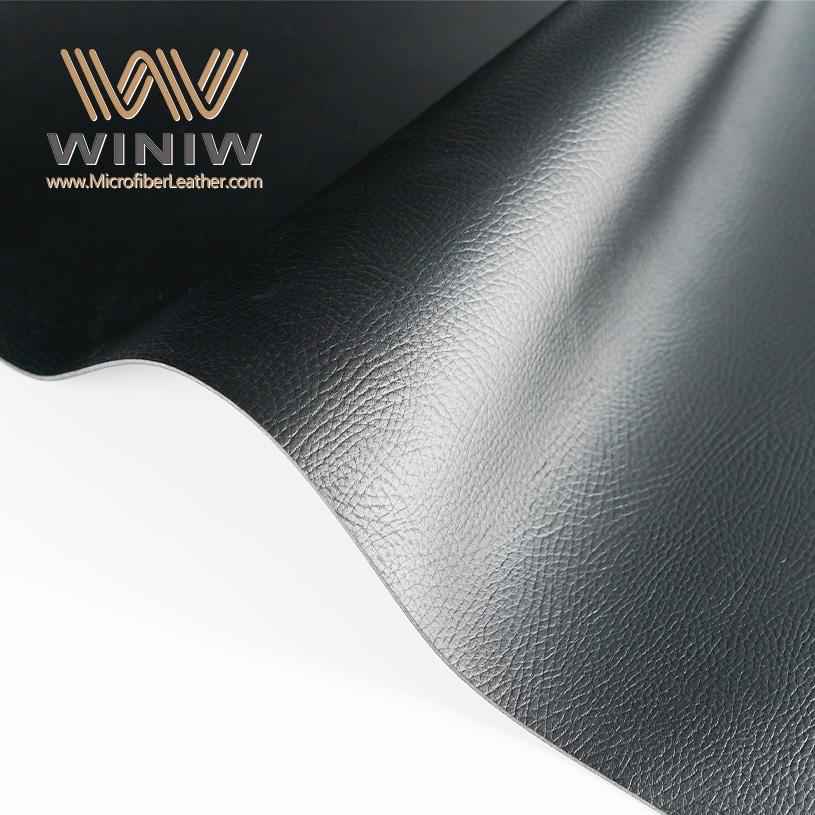
A acessibilidade é um fator crucial na sua decisão. Sapatos de couro legítimo custam mais devido aos custos de extração e curtimento. Você paga pela qualidade e durabilidade. Sapatos de couro sintético são muito mais acessíveis, tornando-os ideais para compradores com orçamento limitado. A faixa de preço para sapatos de couro legítimo varia de US$ 120 a US$ 250. Sapatos de couro sintético geralmente custam de US$ 30 a US$ 50. Os custos de produção do couro sintético são menores, permitindo que os varejistas ofereçam esses sapatos a um preço mais baixo. Se você busca uma opção acessível, o couro sintético se encaixa no seu orçamento. Se você prioriza qualidade e durabilidade, o couro legítimo justifica seu custo mais elevado.
|
Tipo de parte superior |
Faixa de preço |
|---|---|
|
Couro genuíno |
$ 120 – $ 250 |
|
Couro sintético |
$30 – $50 |
O couro genuíno é mais caro devido à sua origem e ao processo de curtimento.
O couro sintético oferece preços acessíveis e atrai compradores com orçamento limitado.
A durabilidade e a longevidade do couro genuíno podem compensar o custo inicial mais elevado.
Sustentabilidade e ética são importantes na hora de escolher calçados. A produção de couro genuíno gera maiores emissões de carbono, com o couro bovino produzindo 40,7 kg de CO2e em comparação com 5,8 kg de CO2e para o couro sintético de PU. O processo de curtimento utiliza produtos químicos tóxicos, como o cromo, que prejudicam o meio ambiente e os trabalhadores. Os resíduos dos curtumes são altamente poluentes. O couro sintético evita preocupações com o bem-estar animal, tornando-se uma alternativa vegana. No entanto, ele depende de materiais derivados do petróleo e se decompõe em microplásticos, causando poluição a longo prazo. O couro genuíno pode ser biodegradável, dependendo dos métodos de curtimento, retornando ao solo. O couro sintético dura apenas de 2 a 5 anos, portanto, substituições frequentes aumentam seu impacto ambiental. Você deve ponderar sustentabilidade, ética e durabilidade ao escolher entre couro genuíno e couro sintético.
O couro genuíno levanta preocupações sobre o bem-estar animal e o meio ambiente.
O couro sintético é vegano, mas contribui para a poluição por microplásticos.
O couro verdadeiro é biodegradável, enquanto o couro sintético persiste no meio ambiente.
Observação: Se você prioriza a sustentabilidade e a ética, considere todo o ciclo de vida dos seus sapatos. O couro legítimo oferece durabilidade e longevidade, mas o couro sintético proporciona uma alternativa vegana com menores emissões iniciais de carbono.
Você precisa de sapatos que lhe deem suporte durante longos períodos de uso. O couro legítimo proporciona conforto e durabilidade, moldando-se aos seus pés com o tempo. Couro do falso Oferecem fácil limpeza e resistência à água, tornando-as práticas para rotinas agitadas. Se você quer botas para uso diário, as botas de couro legítimo duram mais e ficam mais confortáveis com o tempo. As opções de couro sintético são ideais se você prefere calçados leves e de fácil manutenção.
O estilo é importante quando você se veste para ocasiões especiais. Sapatos de couro legítimo proporcionam um visual luxuoso e desenvolvem uma pátina única. Sapatos de couro sintético oferecem uma aparência elegante e uniforme, e estão disponíveis em diversas cores. Se você deseja investir em um estilo clássico, escolha o couro legítimo. O couro sintético permite que você siga as tendências sem gastar muito.
|
Critérios |
Couro genuíno |
Couro do falso |
|---|---|---|
|
Aparência |
Luxuoso |
Na moda |
|
Longevidade |
Alto |
Moderado |
|
Manutenção |
Precisa de cuidados |
Fácil |
Conforto e suporte são essenciais para esportes e atividades ao ar livre. O couro legítimo oferece durabilidade e se adapta ao formato do seu pé. O couro sintético e outros materiais sintéticos proporcionam respirabilidade e conforto leve. Se você precisa de botas para caminhadas, as botas de couro legítimo protegem seus pés e duram anos. Os calçados de couro sintético são uma boa opção para uso de curto prazo e em condições de umidade.
Seu orçamento e seus valores influenciam sua decisão. Sapatos de couro sintético custam menos e permitem que você mude de estilo com frequência. Couro legítimo é um investimento a longo prazo. Se você se preocupa com a sustentabilidade, considere que o couro sintético evita produtos de origem animal, mas pode impactar o meio ambiente com o uso de plásticos. O couro legítimo dura mais e pode ser biodegradável, mas requer mais recursos.
Dica: Ao escolher entre couro legítimo e couro sintético, pense no estilo, no orçamento e em quanta manutenção você deseja ter com seus sapatos.
Você deve comparar os cabedais dos calçados com base em durabilidade, conforto, respirabilidade, manutenção e orçamento.
|
Fator |
Couro genuíno |
Couro sintético |
|---|---|---|
|
Durabilidade |
Alto |
Moderado |
|
Conforto |
Adapta-se ao formato do pé. |
Menos confortável |
|
Respirabilidade |
Excelente |
Limitado |
|
Manutenção |
Precisa de cuidados |
Fácil de limpar |
|
Orçamento |
Custo mais elevado |
Custo mais baixo |
Escolha o couro para conforto e valor a longo prazo.
Escolha materiais sintéticos pela facilidade de manutenção e preço acessível.
Considere seu estilo de vida e o nível de manutenção que você prefere.

Você pode limpar sapatos de couro sintético com um pano úmido. Evite encharcá-los. Use sabão neutro para manchas difíceis. Deixe-os secar naturalmente para obter melhores resultados.
Sapatos de couro legítimo se adaptam e moldam aos seus pés conforme você os usa. Isso cria um ajuste confortável e personalizado. Para melhores resultados, use-os regularmente.
|
Tipo superior |
Resistência à água |
|---|---|
|
Alto |
|
|
Couro genuíno |
Baixo |
O couro sintético oferece maior resistência à água. É a opção ideal para condições de umidade.
Winiw International Co.,Ltd


Digitalizar para wechat:



 Tel. : +86 18150976625
 Email : Market@MicrofiberLeather.com