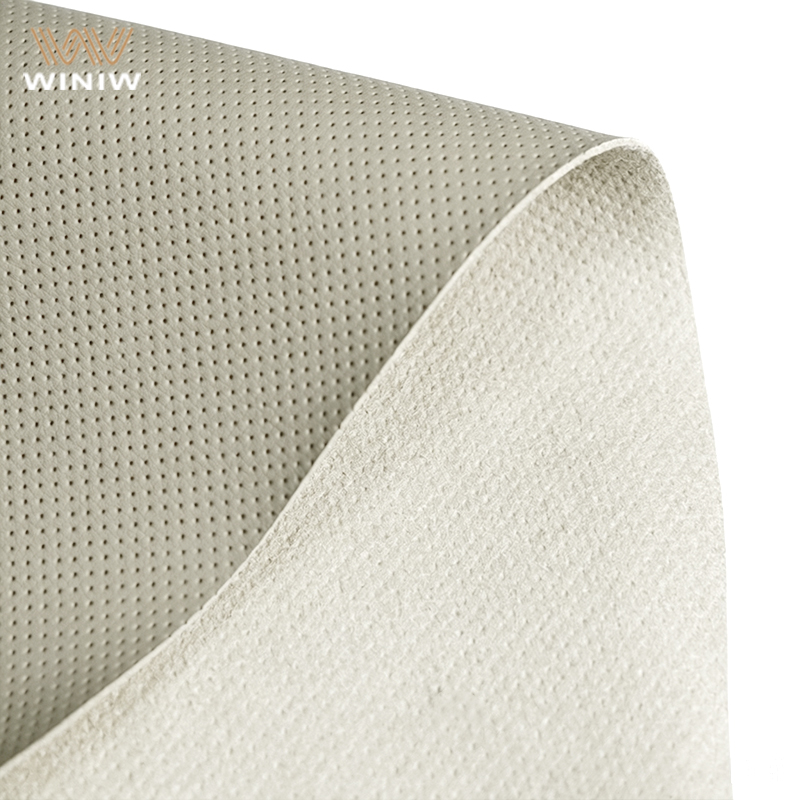
Você pode limpar com segurança sofá de microsuede capas usando métodos simples que protegem o tecido. Sempre verifique o código de cuidados antes da limpeza. Os códigos comuns incluem:
|
Código de cuidados |
Descrição |
|---|---|
|
S |
Use apenas um solvente de limpeza a seco sem água. |
|
W |
Use apenas um xampu para estofados à base de água ou limpador de espuma. |
|
WS |
Use um limpador de estofados à base de água ou de solvente. |
|
X |
Não use nenhum limpador à base de água ou solvente; apenas aspire ou escove. |
Microsuede é macio ao toque, mas requer cuidados especiais porque uma limpeza inadequada pode danificar as fibras.
Verifique os códigos de cuidados antes de limpar capas de microsuede para evitar danos.
Use limpadores suaves e aspire regularmente para manter as capas limpas.
Limpe manchas pontuais rapidamente e teste as soluções em áreas escondidas primeiro.
Você pode limpar capas de sofá de microsuede, mas precisa prestar muita atenção aos códigos e etiquetas de cuidados. Esses códigos informam quais métodos de limpeza são seguros. Sempre verifique as instruções do fabricante antes de começar. A etiqueta pode mostrar um código como W, S, WS ou X. Cada código indica um método de limpeza diferente. Por exemplo, W significa que você pode usar limpadores à base de água, enquanto S significa que deve usar apenas produtos à base de solvente. Se você vir X, deve apenas aspirar ou escovar o tecido. Ler esses códigos ajuda a evitar danos e mantém seu sofá com aparência renovada.
Dica: Sempre faça um teste em uma área escondida antes de usar qualquer solução de limpeza. Essa etapa ajuda a evitar manchas indesejadas ou descoloração.
Você tem várias opções seguras para limpeza. Especialistas em estofados sugerem algumas etapas importantes:
Verifique a etiqueta de cuidados para obter instruções específicas de limpeza.
Remova sujeira solta e resíduos com um aspirador usando um acessório de escova macia.
Inspecione as manchas e trate-as com o limpador adequado. Teste o limpador primeiro.
Reúna materiais como limpador suave para tecidos, água morna e uma escova de cerdas macias.
Aspire o sofá regularmente para evitar o acúmulo de sujeira.
Limpe manchas pontuais com sabão suave ou um limpador para microfibra. Deixe a área secar ao ar.
Escove o tecido após a limpeza para restaurar sua textura.
Evite produtos químicos agressivos. Use apenas sabões suaves e produtos de limpeza à base de água quando permitido. A limpeza regular mantém as capas do seu sofá de microsuede macias e atraentes. Você protege o tecido e prolonga sua vida útil seguindo estas etapas.
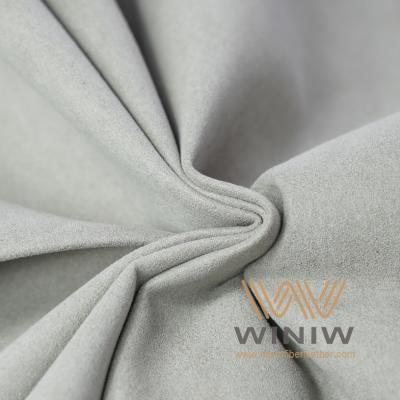
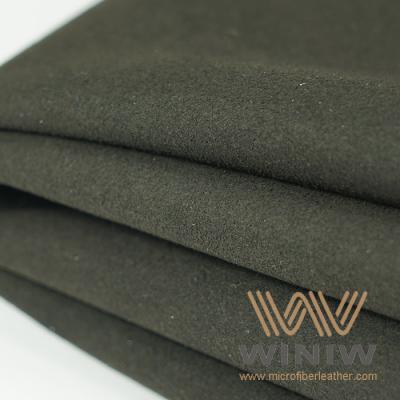
A microsuede se destaca como uma escolha popular para estofados devido às suas qualidades únicas. Você perceberá várias características que a diferenciam da camurça tradicional:
A microsuede tem uma estrutura porosa que proporciona o conforto e a suavidade da camurça real.
A superfície é menos porosa, o que ajuda a repelir água e facilita a manutenção.
Este tecido é elástico e possui alta resistência elástica, por isso mantém bem sua forma em estofados.
Os fabricantes usam fibras ultrafinas de náilon ou poliéster para criar a microsuede, tornando-a macia e durável.
A microsuede resiste à água e mantém sua textura após a limpeza, ao contrário da camurça natural.
Você descobrirá que a microsuede é mais acessível e mais fácil de cuidar do que a camurça tradicional.
Essas características explicam por que muitas pessoas escolhem a microsuede para suas necessidades de estofamento.
Ao limpar estofados de microfibra, você se beneficia das fibras sintéticas do tecido. Essas fibras resistem à poeira e manchas, tornando a manutenção simples. Ao contrário da camurça natural, que absorve derramamentos e exige cuidados especiais, a microsuede permite que você remova a maioria das sujeiras com um pano de microfibra seco. Para manchas mais difíceis, você pode usar um pano úmido e sabão suave. As fibras firmemente entrelaçadas da microsuede impedem que líquidos penetrem, por isso você enfrenta menos manchas permanentes. No entanto, ainda é necessário seguir métodos adequados de limpeza de estofados para evitar danificar o tecido ou deixar marcas de água. Os cuidados regulares ajudam seus estofados a permanecerem limpos e atraentes.
Você deve iniciar sua limpeza de rotina aspirando as capas do sofá. Esta etapa remove poeira, migalhas e pelos de animais que se acumulam no tecido. Sempre verifique a etiqueta de cuidados para os códigos de limpeza antes de começar. Você verá códigos como W, S, SW ou X. Esses códigos informam quais métodos de limpeza são seguros para o seu estofado.
Siga estas etapas para uma aspiração e escovação eficazes:
Examine a etiqueta de cuidados para identificar o código de limpeza correto.
Prenda uma escova macia ao seu aspirador. Essa ferramenta remove poeira e resíduos sem arranhar a superfície.
Aspire suavemente toda a superfície das capas do sofá. Mova o aspirador em movimentos curtos e sobrepostos.
Use uma escova macia para soltar quaisquer partículas que permaneçam após a aspiração. Escove na direção das fibras do tecido para mantê-las lisas.
Se suas capas tiverem o código W, você pode lavá-las na máquina em um ciclo delicado e frio com detergente suave. Para códigos S, faça limpeza localizada com álcool isopropílico.
Evite alvejante e amaciantes de tecido. Esses produtos podem danificar as fibras.
Seque suas capas ao ar livre ou use uma configuração de secagem em baixa temperatura. O calor intenso pode encolher ou deformar o tecido.
Após a secagem, use uma escova macia novamente para restaurar a textura e afofar as fibras.
Dica: Sempre use pressão suave ao aspirar ou escovar. A limpeza agressiva pode esmagar as fibras e deixar marcas no seu estofado.
A poeira da superfície pode deixar seu sofá com aparência opaca e toque áspero. Você pode remover essa poeira com as ferramentas e técnicas corretas. Um aspirador com um acessório de escova macia funciona melhor para remover a poeira da superfície. Este método mantém seus estofados com aparência renovada e evita o acúmulo.
Você também pode usar uma escova macia para varrer a poeira fina. Passe a escova suavemente sobre o tecido. Não esfregue nem pressione com força. Essa ação delicada protege as fibras e ajuda você a limpar estofados de microfibra sem causar abrasão.
A limpeza regular evita que a poeira se acomode profundamente no tecido. Você deve aspirar e escovar as capas do seu sofá pelo menos uma vez por semana. Esse hábito mantém seu espaço de convivência limpo e prolonga a vida útil das capas do seu sofá de camurça sintética.
Antes de começar a limpeza, sempre verifique o código de cuidados na etiqueta do seu estofado. Nem toda capa de sofá de camurça sintética pode ir à máquina de lavar. Você só deve lavar na máquina capas que tenham o código de cuidados "W" ou "WS". Esses códigos significam que soluções de limpeza à base de água são seguras para o seu tecido. Se você vir um código "S" ou "X", evite a lavagem na máquina. "S" significa que você precisa de soluções de limpeza à base de solvente, e "X" significa que você deve apenas aspirar ou escovar o estofado.
Aqui está um guia rápido dos códigos de cuidados:
|
Código de cuidados |
Significado |
|---|---|
|
W |
Lavável com soluções à base de água. |
|
WS |
Use produtos de limpeza à base de água ou solvente. |
|
S |
Limpe com soluções à base de solvente. |
|
X |
Somente limpeza profissional. |
Você também precisa garantir que as capas do seu sofá sejam removíveis. Se as capas não saírem, opte pela limpeza localizada ou pela limpeza profissional de estofados.
Dica: Sempre leia as instruções do fabricante antes de começar. Esta etapa ajuda a evitar danos e mantém sua limpeza segura.
Quando souber que a lavagem na máquina é segura, siga estas etapas para proteger as capas do seu sofá de camurça sintética e manter seu estofado com a melhor aparência:
Remova as capas das almofadas. Feche todos os zíperes para evitar que se enrosquem.
Vire as capas do avesso. Esta etapa protege a superfície externa durante a limpeza.
Coloque as capas na máquina de lavar. Use um ciclo delicado com água fria. A água fria ajuda a evitar encolhimento e desbotamento das cores.
Adicione um detergente suave, como Tide Free & Gentle. Evite alvejantes e amaciantes de tecido. Esses produtos podem danificar as fibras e reduzir a vida útil do seu estofado.
Inicie a lavagem. Não sobrecarregue a máquina. Dê às capas espaço suficiente para se movimentarem livremente.
Após a lavagem, verifique se há manchas restantes nas capas. Se notar pontos manchados, repita o processo de limpeza ou use soluções de limpeza localizada conforme necessário.
Observação: Sempre use soluções de limpeza que correspondam ao seu código de cuidados. Soluções de limpeza à base de água funcionam para os códigos "W" e "WS". Para códigos "S", use apenas soluções de limpeza à base de solvente.
A secagem adequada é tão importante quanto a lavagem. O método correto mantém seu estofado em ótimo estado e evita encolhimento.
Seque suas capas ao ar livre sempre que possível. Pendure-as em uma área com sombra, longe da luz solar direta.
Se usar uma secadora, escolha a configuração de menor calor ou sem calor. O calor intenso pode encolher ou deformar o tecido.
Nunca torça capas molhadas. Em vez disso, pressione-as suavemente entre toalhas para remover o excesso de água.
Remova as capas da secadora enquanto ainda estiverem ligeiramente úmidas. Isso facilita remodelá-las e encaixá-las novamente nas suas almofadas.
Remodele as capas enquanto estiverem úmidas para manter o ajuste e a textura originais do seu estofamento.
Dica:Remonte o seu sofá enquanto as capas estiverem um pouco úmidas. Esta etapa ajuda a deslizar as capas sobre as almofadas de espuma e mantém o tecido liso.
A limpeza regular com os métodos corretos mantém as capas do seu sofá de microsuede frescas e prolonga a vida útil do seu estofamento. Sempre siga os códigos de cuidados e use as soluções de limpeza corretas para obter os melhores resultados.
Você pode usar diferentes soluções de limpeza para limpeza localizada de capas de sofá de microsuede. Limpadores à base de água funcionam bem se o seu estofamento tiver um código de cuidado "W" ou "WS". Limpadores com solvente são melhores para códigos "S". Sempre verifique a etiqueta de cuidados antes de começar. Você deve usar um pano macio ou esponja para a limpeza localizada. Seque suavemente a mancha em vez de esfregar. Este método evita danos ao tecido. Você mantém seu estofamento com aparência fresca usando as soluções de limpeza adequadas.
Você pode fazer soluções de limpeza eficazes em casa. Misture uma parte de vinagre branco com duas partes de água para uma opção suave de limpeza localizada. O vinagre ajuda a remover odores e manchas leves. Para manchas mais difíceis, use um detergente suave como Tide Free & Gentle. Adicione uma pequena quantidade à água fria e aplique na mancha. Seque com um pano de microfibra limpo. Você evita produtos químicos agressivos e protege seu estofamento com estas soluções de limpeza simples.
Dica:Sempre teste suas soluções de limpeza em uma área escondida antes da limpeza localizada. Esta etapa ajuda a evitar descoloração.
Manchas persistentes precisam de atenção especial. Você deve agir rapidamente quando ocorrerem derramamentos. Siga estas etapas para uma limpeza localizada eficaz:
Seque o derramamento imediatamente com um pano limpo. Não esfregue.
Use um limpador especializado para estofados, como Revolution Fabric Cleaner com Bleach.
Borrife uma pequena quantidade do limpador sobre a mancha. Deixe agir por alguns minutos.
Seque suavemente com um pano de microfibra. Enxágue com água limpa.
Repita o processo se a mancha permanecer. Você pode precisar de limpeza profissional para manchas difíceis.
Você mantém as capas do seu sofá com aparência de novas seguindo estas etapas de limpeza. A limpeza localizada ajuda a manter a qualidade do seu estofamento e evita marcas permanentes.
Você pode prolongar a vida útil das capas do seu sofá de microsuede seguindo algumas etapas simples. Escolha estofamento de alta qualidade, resistente à formação de bolinhas com fibras longas. Essa escolha ajuda a reduzir a formação de bolinhas e mantém suas capas com aparência de novas. Coloque mantas laváveis ou capas ajustadas nas áreas de uso intenso. Essas barreiras protegem o tecido do desgaste diário, da atividade de animais de estimação e de movimentos bruscos. Limpe suas capas regularmente, assim como faria com lençóis de cama. Gire as almofadas com frequência para distribuir o desgaste uniformemente. Lave as capas separadamente em água fria com detergente suave. Evite métodos de limpeza agressivos que podem danificar as fibras e causar formação de bolinhas.
Dica:Use uma bandeja de TV para lanches e bebidas. Esse hábito minimiza o risco de manchas e mantém seu sofá limpo.
Você mantém as capas do seu sofá frescas deixando-as arejar e escovando a superfície suavemente. Remova poeira e odores com limpeza regular. Quando precisar armazenar suas capas, use capas de armazenamento próprias feitas de materiais respiráveis. Essas capas bloqueiam a poeira e permitem a circulação de ar. Coloque sachês de sílica gel nos recipientes de armazenamento para controlar a umidade e evitar danos causados por ela. Evite embrulhar as capas com muita força. O armazenamento solto evita marcas e condensação acumulada. Você mantém a qualidade das suas capas de sofá de microsuede seguindo estas práticas de armazenamento.
Armazene as capas em um local fresco e seco.
Use sacos de armazenamento respiráveis.
Verifique as capas periodicamente em busca de sinais de umidade ou poeira.
A manutenção adequada ajuda as capas do seu sofá a permanecerem macias, limpas e atraentes por anos.
Você pode manter capas de sofá de microcamurça com aparência de novas com limpeza regular e hábitos inteligentes. Sempre verifique os códigos de cuidados e as instruções do fabricante antes de limpar.
Teste as soluções de limpeza em áreas escondidas.
Use movimentos circulares suaves para a limpeza.
Escove o tecido seco para restaurar a textura.
Limpe derramamentos imediatamente.
Programe uma limpeza profunda a cada poucos meses.
Lave com um ciclo suave e detergente neutro.
Proteja as áreas de maior desgaste.
Ensine as crianças a não pularem no sofá.
Levante as almofadas em vez de arrastá-las.
Deixe a fita de reparo secar completamente.
Verificar os códigos de cuidados garante que você use os métodos de limpeza mais seguros e proteja seu sofá por anos.
Você deve evitar limpadoras a vapor. O calor intenso pode danificar as fibras de microcamurça. Sempre siga a etiqueta de cuidados e use os métodos de limpeza recomendados.
Aspire semanalmente. Limpe manchas assim que aparecerem. Faça uma limpeza profunda a cada poucos meses para manter suas capas com aparência renovada.
Estique suavemente a capa úmida de volta ao formato original. Deixe secar ao ar livre. Evite usar calor intenso na secadora para evitar encolhimento na próxima vez.
Winiw International Co.,Ltd


Digitalizar para wechat:



 Tel. : +86 18150976625
 Email : Market@MicrofiberLeather.com