Você pode manter sua cadeira de couro sintético com aparência de nova com hábitos diários simples. Muitas pessoas descobrem que a limpeza regular preserva os móveis de couro sintético e evita rachaduras.
O couro genuíno dura de 10 a 20 anos, enquanto o couro sintético dura em média de 5 a 7 anos com cuidados básicos.
Você não precisa de habilidades especiais nem de equipamentos caros.
produtos
Essas dicas ajudam a manter sua cadeira em ótimas condições por mais tempo.
Limpe seu cadeira de couro sintético Limpe diariamente com um pano de microfibra macio para evitar o acúmulo de sujeira e arranhões.
Limpe sua cadeira semanalmente com um pano úmido e sabão neutro para manter sua aparência e evitar manchas.
Use sprays protetores para proteger sua cadeira contra derramamentos e luz solar, prolongando sua vida útil e mantendo-a com aparência de nova.
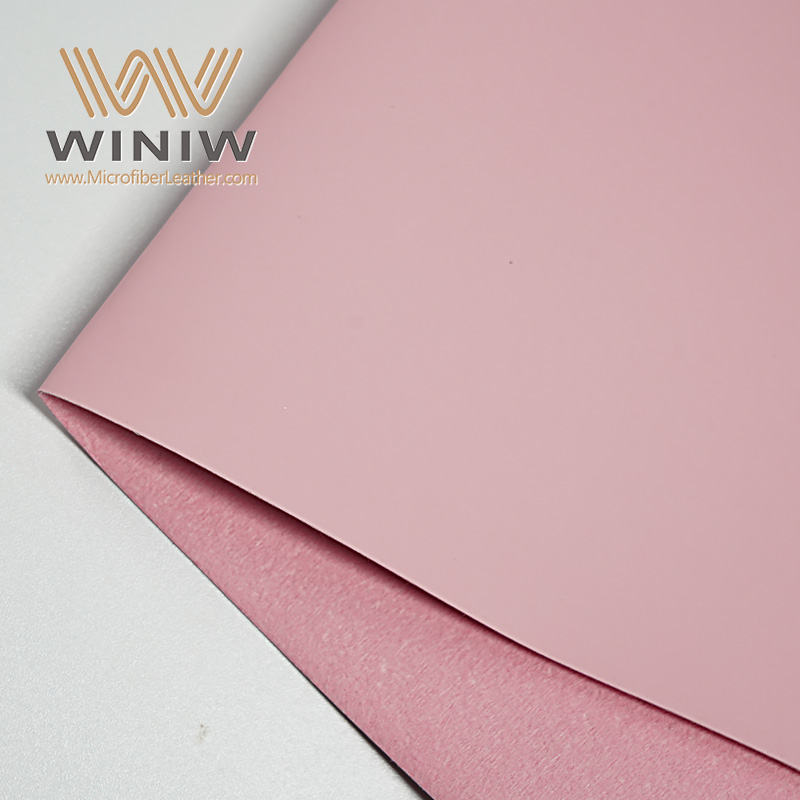
Você pode manter sua cadeira de couro sintético com aparência impecável fazendo da limpeza diária um hábito. Poeira e sujeira costumam se acumular na superfície e nas costuras. Se você deixar esse acúmulo, ele pode causar arranhões e deixar o acabamento opaco com o tempo. Use um pano de microfibra macio e seco para limpar delicadamente todas as áreas da sua cadeira. Preste atenção especial às frestas ao redor dos braços, costuras e na base do encosto. Esses locais tendem a acumular mais poeira do que superfícies planas.
Dica: A limpeza regular com um pano seco evita que a sujeira se acumule no material e reduz o risco de rachaduras. Especialistas em cuidados com móveis recomendam essa rotina simples para manter a aparência e o conforto da sua cadeira.
Muitas pessoas acreditam Couro do falso Não exige muita manutenção. Na verdade, negligenciar a limpeza regular pode levar a manchas difíceis de remover e desgaste prematuro. Você não precisa de ferramentas especiais — apenas um toque suave e um pano limpo.
Utilizar produtos químicos agressivos como lixívia ou amoníaco.
Esfregar com muita força usando materiais abrasivos
Aplicar água em excesso durante a limpeza.
Ignorar as sessões regulares de limpeza.
O uso de condicionadores para couro legítimo pode deixar resíduos oleosos.
Uma rotina semanal de limpeza suave ajuda a manter sua cadeira de couro sintético em ótimas condições. Comece limpando a superfície com um pano de microfibra úmido (não molhado). Use pequenos movimentos circulares para remover a sujeira sem danificar o acabamento. Para uma limpeza mais profunda, misture algumas gotas de detergente neutro com água morna. Você também pode usar um produto de limpeza específico para couro sintético. Evite produtos com substâncias químicas agressivas, alvejante ou amônia, pois podem danificar a camada protetora.
Após a limpeza, use um pano seco para remover o excesso de umidade. Muita água pode enfraquecer o material e até causar mofo. Ao contrário do couro verdadeiro, o couro sintético é mais fácil de limpar e manter, principalmente em casas movimentadas. Não é necessário hidratá-lo com tanta frequência, mas ainda assim é importante evitar deixar líquidos derramados ou manchas por muito tempo.
Observação: Os cuidados com o couro sintético diferem dos cuidados com o couro legítimo. O couro sintético é menos sensível a produtos químicos e tolera limpezas mais frequentes. Já o couro legítimo exige cuidados e atenção mais específicos.
Uma limpeza completa semanal, combinada com a remoção diária de poeira, ajudará a evitar o acúmulo de sujeira e manterá sua cadeira com aparência de nova. A manutenção regular do couro sintético garante que seus móveis permaneçam confortáveis e atraentes por muitos anos.
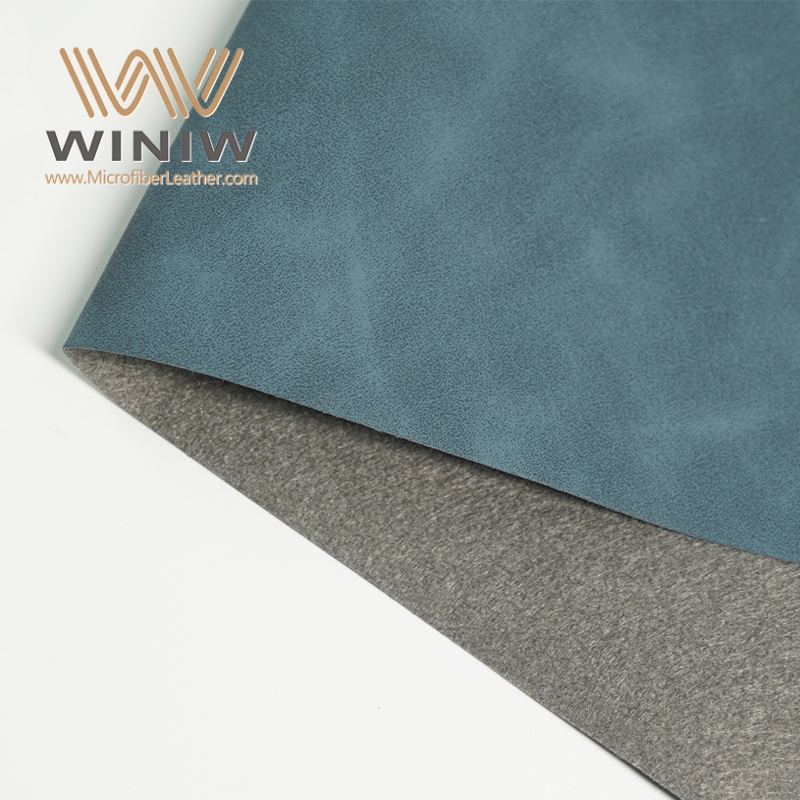
Você quer que sua cadeira de couro sintético tenha a melhor aparência possível por muitos anos. Escolher os produtos certos faz toda a diferença. Muitos fabricantes de estofados recomendam produtos de limpeza suaves que protegem o material e evitam danos. Você deve evitar produtos químicos agressivos e optar por produtos desenvolvidos especificamente para superfícies sintéticas.
Segue abaixo uma tabela com os produtos de limpeza sugeridos pelos fabricantes para cadeiras de couro sintético:
|
PRODUTO |
TIPO |
FABRICANTE |
|---|---|---|
|
Birex se |
Fenol |
Biotrol Internacional |
|
MaxiSpray |
Fenol/Glutaraldeído |
Henrique Schein |
|
Omni II |
Fenol |
Certol International, Inc. |
|
Limpador de espuma hospitalar de precisão |
Fenol |
CalTech Industries, Inc. |
|
ProSpray e lenços umedecidos ProSpray |
Fenol |
Certol Internacional |
Você também pode usar um detergente neutro diluído em água para a limpeza regular. Sempre use um pano de microfibra macio para limpar couro sintético. Isso ajuda a evitar arranhões e mantém a superfície lisa.
Agentes de limpeza suaves ajudam a prevenir danos como descascamento, descoloração e rachaduras. Eles mantêm a integridade do produto. Couro do falso e prolongar sua vida útil. Ao limpar o couro sintético, você o protege do desgaste prematuro e o mantém com aparência de novo.
Dica: Sempre teste qualquer produto novo em uma pequena área escondida antes de usá-lo em toda a cadeira.
Se você derramar algo, trate as manchas imediatamente. Limpe os derramamentos assim que acontecerem para evitar que se espalhem. Para manchas de líquidos, pressione suavemente a área com um pano limpo e seco. Não esfregue, pois isso pode fazer com que a mancha penetre ainda mais no tecido. Para manchas persistentes, use um solvente suave, como nafta. Limpe levemente a mancha com um pano umedecido com o solvente e, em seguida, seque com leves batidinhas.
Sprays protetores também podem ajudar a prolongar a vida útil da sua cadeira de couro sintético. Esses sprays estão disponíveis em diferentes concentrações:
|
Tipo de proteção |
Descrição |
|---|---|
|
Proteção básica |
Ideal para áreas de pouco tráfego, oferecendo leve resistência à água e proteção UV moderada. |
|
Proteção reforçada |
Indicado para uso moderado, oferecendo melhor resistência a derramamentos, abrasão leve e desbotamento. |
|
Proteção para serviço pesado/industrial |
Formulado para ambientes de alto desgaste, contendo polímeros mais resistentes e agentes antimicrobianos. |
|
Longevidade da proteção |
As soluções de curto prazo duram de 6 a 12 meses; as de médio prazo, de 1 a 3 anos; e as de longa duração, de 3 a 5 anos ou mais. |
Aplicar um spray protetor após a limpeza cria uma barreira contra derramamentos e raios solares. Essa etapa ajuda a manter a aparência e a durabilidade da cadeira.
Nem todos os produtos de limpeza são seguros para couro sintético. Alguns podem causar danos graves, como rachaduras, descascamento ou descoloração. Você deve evitar os seguintes:
Produtos de limpeza agressivos, como água sanitária.
Sprays à base de amônia
lenços umedecidos com álcool
Esses produtos podem danificar a superfície do couro sintético. Produtos químicos agressivos geralmente causam descoloração, rachaduras e descamação. Você também deve evitar esfregar com esponjas ou escovas abrasivas. Essas ferramentas podem arranhar o material e deixá-lo com aparência desgastada.
Alerta: Nunca use condicionadores para couro legítimo em couro sintético. Eles podem deixar resíduos oleosos e atrair mais sujeira.
Ao limpar couro sintético, escolha sempre produtos suaves e panos macios. Essa prática mantém sua cadeira com aparência de nova e evita danos a longo prazo. Lembre-se de tratar as manchas imediatamente e usar sprays protetores para maior durabilidade. Com esses hábitos, você poderá desfrutar da sua cadeira de couro sintético por muitos anos.
Você pode proteger o couro sintético mantendo sua cadeira longe da luz solar direta e de fontes de calor. A luz solar quebra as ligações químicas dos materiais sintéticos, acelerando a degradação. A exposição prolongada ao calor intenso pode danificar o couro sintético, causando rachaduras ou deformações. As flutuações de umidade também afetam a base do tecido, levando ao aparecimento de rachaduras com o tempo. Posicione sua cadeira longe de janelas ou use persianas e cortinas para protegê-la da luz solar. Cortinas ou persianas ajudam a bloquear os raios UV e reduzem o desbotamento ou a deterioração prematura. Mantenha sua cadeira longe de aquecedores e lareiras, pois o calor excessivo resseca o material. Mantenha a umidade interna entre 40% e 55% para evitar que a cadeira fique muito seca ou muito úmida. Uma boa ventilação evita o acúmulo de calor e umidade, o que pode levar à delaminação.
Dica: Gire a cadeira ocasionalmente para distribuir o desgaste uniformemente e proteger o couro sintético do estresse ambiental.
Arranhões e descascamento são comuns devido ao uso diário e à falta de cuidado adequado. Você pode proteger Couro do falso Seguindo medidas preventivas simples, evite objetos pontiagudos perto da cadeira e desencoraje sentar nos braços ou nas bordas. Use mantas ou capas protetoras em áreas de uso frequente. Mantenha as unhas dos animais de estimação aparadas para evitar arranhões acidentais. Oriente os membros da família sobre o uso cuidadoso. Limpe delicadamente com um pano de microfibra macio e uma solução de sabão neutro. Aplique um condicionador para couro sintético a cada 4 a 6 meses para restaurar a flexibilidade e evitar o ressecamento. Escolha condicionadores específicos para couro sintético e procure fórmulas com inibidores de raios UV e propriedades antiestáticas.
Segue abaixo uma tabela mostrando as causas comuns de descamação:
|
Causa da descamação |
Descrição |
|---|---|
|
luz solar direta |
A exposição prolongada aos raios UV enfraquece o material, levando ao seu descascamento. |
|
flutuações de temperatura |
O calor faz com que as camadas sintéticas se expandam e contraiam, enfraquecendo as ligações. |
|
Alta umidade |
Compromete as camadas adesivas, causando bolhas e descamação. |
|
Óleos corporais |
O contato com a oleosidade da pele degrada a superfície ao longo do tempo. |
|
Limpeza inadequada |
Produtos químicos agressivos danificam a superfície do couro sintético. |
|
Materiais de baixa qualidade |
Cadeiras feitas de PVC de baixa qualidade se desgastam mais rapidamente. |
|
Movimento repetitivo |
O uso constante leva ao aparecimento de microfissuras e descamação. |
|
Falta de ventilação |
A má circulação de ar agrava a degradação do material. |
|
Agentes de limpeza agressivos |
Produtos inadequados causam danos à superfície. |
|
Manutenção inadequada |
A falta de inspeção e manutenção leva ao desgaste e descascamento imperceptíveis. |
Alerta: Inspeções regulares e limpeza delicada ajudam a proteger o couro sintético e prolongar sua vida útil.
Você pode prolongar a vida útil do seu móveis de couro sintético Condicionando-o regularmente. A hidratação mantém a superfície flexível e ajuda a prevenir rachaduras. Escolha um condicionador específico para couro sintético. Evite produtos feitos para couro legítimo, pois podem danificar acabamentos em PU ou PVC. Procure fórmulas com inibidores de raios UV e propriedades antiestáticas para proteção extra. Aplique o condicionador a cada 4 a 6 meses. Após a aplicação, remova o excesso para evitar que a poeira grude. A limpeza regular com água e sabão neutro também ajuda a manter a maciez do material. Ao tratar móveis de couro sintético com os produtos adequados, você reduz o risco de ressecamento e descascamento.
Aqui estão algumas dicas para uma rotina de cuidados eficaz:
Use um pano de microfibra macio para a limpeza diária.
Inspecione mensalmente as costuras e bordas para detectar sinais precoces de desgaste.
Gire as almofadas para distribuir o uso uniformemente.
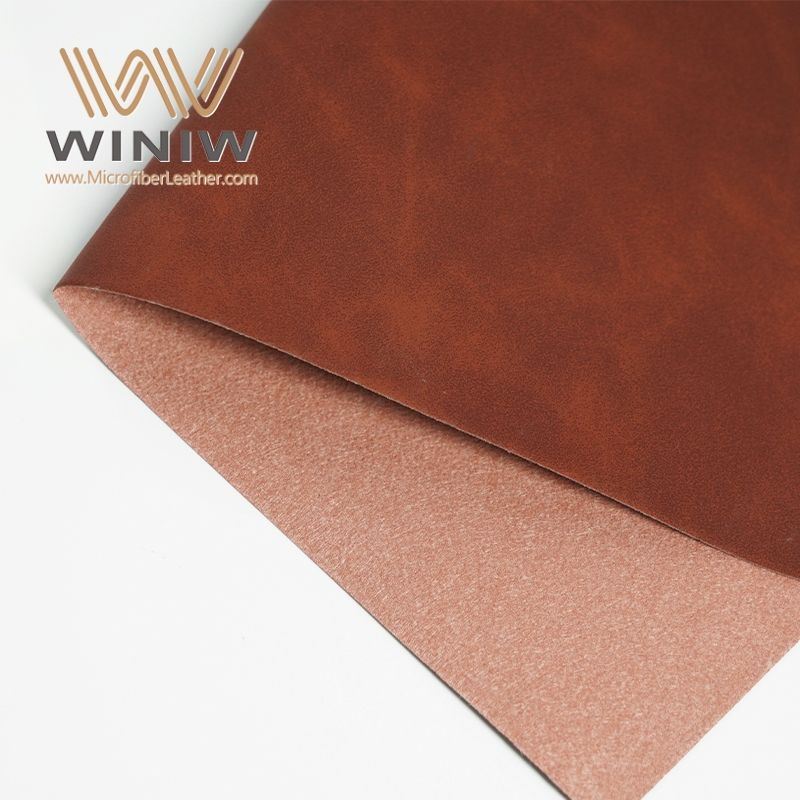
Os sprays protetores adicionam uma camada extra de defesa para sua cadeira de couro sintético. Esses sprays formam uma barreira respirável e resistente à água que protege contra derramamentos, umidade e poluentes. Eles também ajudam a restaurar superfícies desbotadas e a melhorar a aparência geral do seu móvel de couro sintético. Testes de produto mostram que os sprays protetores retardam a deterioração e ajudam a manter a integridade estrutural do seu móvel.
|
Beneficiar |
Descrição |
|---|---|
|
Barreira protetora |
Protege contra umidade, derramamentos e poluentes. |
|
Restauração de Superfícies |
Restaura o brilho e melhora a aparência. |
|
Cuidados preventivos |
Mantém a estrutura e prolonga a vida útil. |
Para obter melhores resultados, siga um cronograma de cuidados periódicos:
Limpe semanalmente com um pano macio.
Remova as manchas diariamente com um pano úmido.
Limpeza profunda com um profissional de limpeza, conforme necessário.
Cuidados regulares ajudam seus móveis de couro sintético a permanecerem atraentes e confortáveis por muitos anos. Embora cadeiras de couro sintético possam não ter um alto valor de revenda, a manutenção regular as mantém com a melhor aparência durante toda a sua vida útil.
Você pode manter seus móveis de couro sintético com ótima aparência com hábitos simples.
Remova a sujeira com uma escova macia.
Limpe delicadamente com sabão neutro e água.
Secar longe da luz solar.
A manutenção regular ajuda a prolongar a vida útil da sua cadeira, economiza dinheiro e mantém seu espaço elegante.

Você deve tirar o pó diariamente e limpar semanalmente. Essa rotina mantém sua cadeira com aparência de nova e evita que a sujeira cause rachaduras ou manchas.
Os lenços umedecidos para bebês geralmente contêm álcool ou óleos. Esses ingredientes podem danificar o couro sintético. Em vez disso, use um pano de microfibra úmido com sabão neutro.
Não é possível reverter o descascamento. Você pode retardar o agravamento dos danos usando um spray protetor e mantendo a cadeira longe da luz solar e do calor.
Winiw International Co.,Ltd


Digitalizar para wechat:



 Tel. : +86 18150976625
 Email : Market@MicrofiberLeather.com