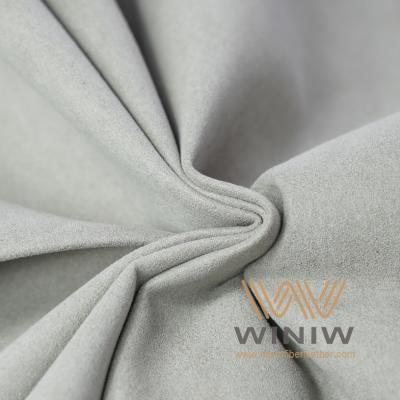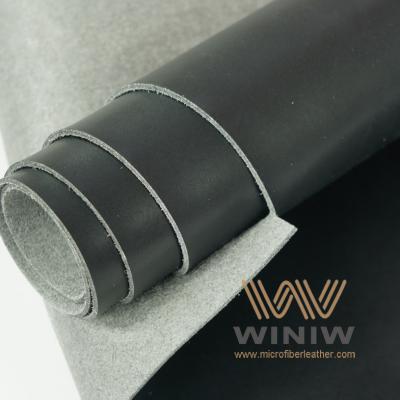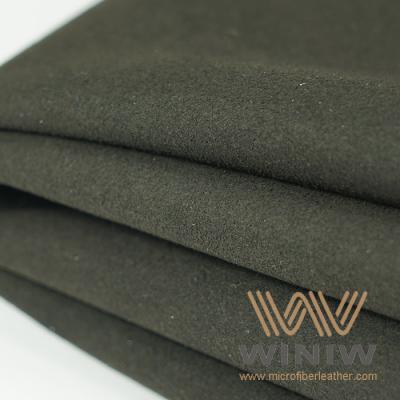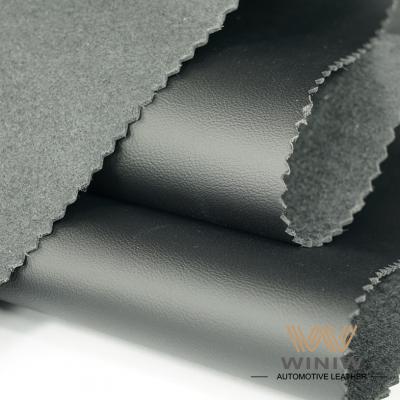
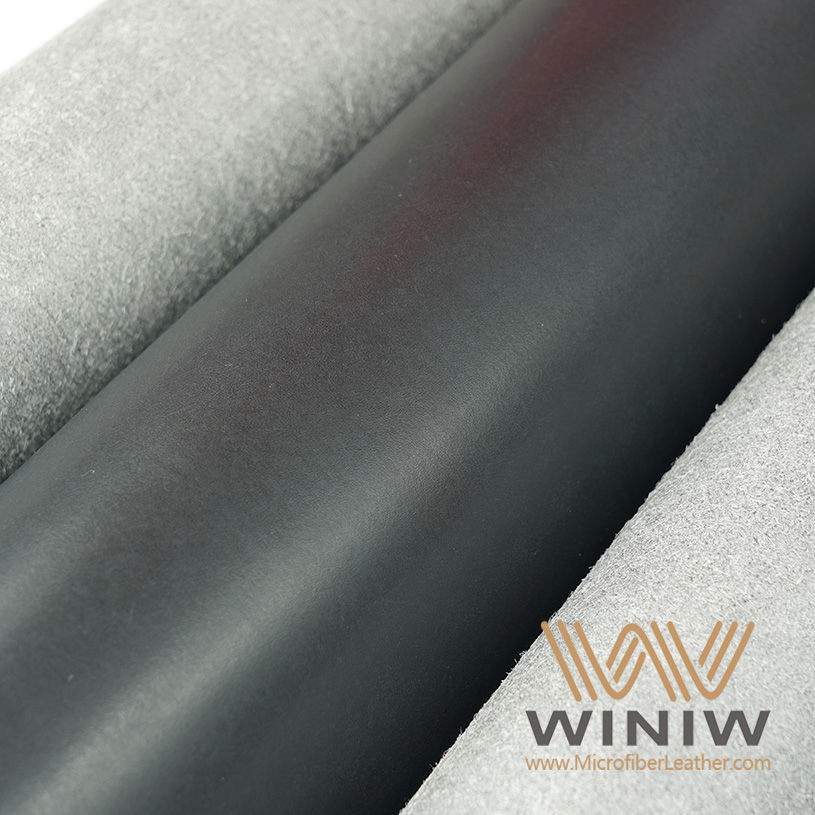
Premium vegan leather offers a cruelty-free, animal-free alternative that closely resembles real leather. You see growing demand for vegan products in many markets.
The global vegan leather market is projected to reach $85.7 billion in 2025.
Key sectors include fashion, automotive, and furniture.
|
Segment |
Projection |
Description |
|---|---|---|
|
Footwear |
35.7% market share by 2025 |
Ethical and eco-friendly approaches drive this growth. |
|
Gender |
Women to hold largest share in 2025 |
Female consumers demand more cruelty-free products. |
Premium vegan leather offers a stylish, cruelty-free alternative to real leather, making it a great choice for ethical consumers.
Choose plant-based vegan leather options to support sustainability and reduce environmental impact, as they use renewable resources.
Check for quality certifications like GOTS or OEKO-TEX when shopping for vegan leather to ensure you select durable and eco-friendly products.
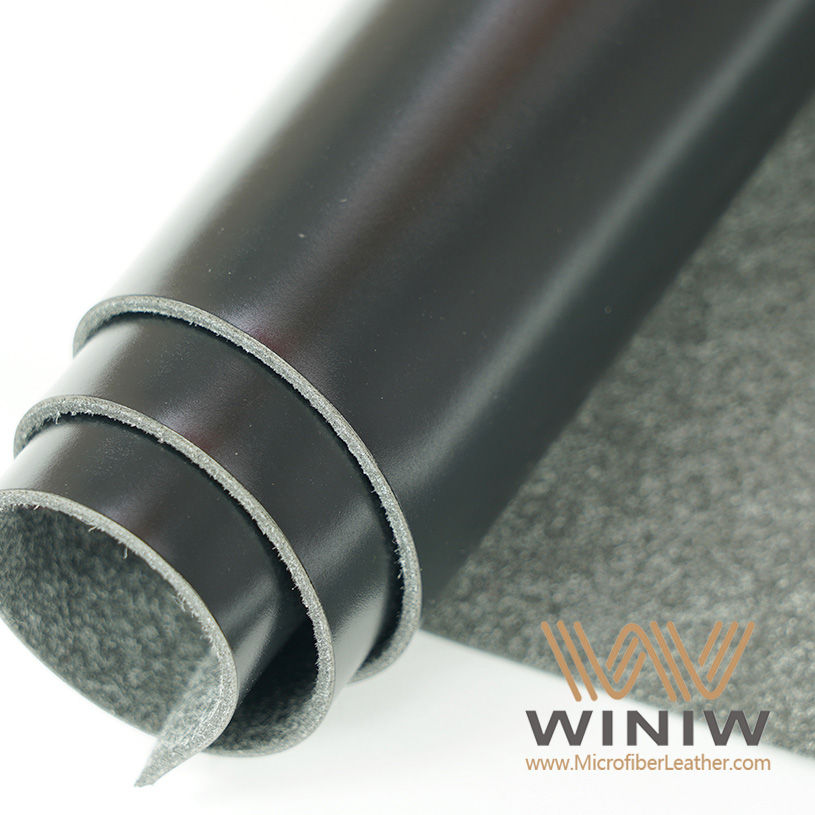
Premium vegan leather gives you a modern, cruelty-free option that closely resembles animal leather. You find it in products that aim to combine style, durability, and ethical values. Manufacturers design premium vegan leather to mimic the look and feel of genuine leather, using advanced techniques and materials. You see this material as a sustainable alternative that supports vegan lifestyles and reduces harm to animals.
Premium vegan leather stands out from standard vegan leather because of its quality, durability, and ethical standards. You notice that premium options last longer and look better over time. The table below highlights the main differences:
|
Characteristic |
Premium Vegan Leather |
Standard Vegan Leather |
|---|---|---|
|
Durability |
More durable and longer-lasting |
Prone to deterioration, tears, and discoloration |
|
Price |
Higher due to quality materials |
Generally inexpensive |
|
Physical Properties |
Made from sustainable materials, flexible and versatile |
Thinner, less durable, plastic-like smell |
You experience premium vegan leather as soft, flexible, and versatile. Manufacturers use embossing and texturing to create a grain and texture that closely matches animal leather. You often see a coating of polyurethane or polyvinyl chloride applied to the surface, which increases durability and gives a realistic appearance. You can choose premium vegan leather for its ethical appeal and its ability to meet high standards in fashion and design.
Tip: When you shop for good quality vegan leather, check for certifications like GOTS, OEKO-TEX, or USDA BioPreferred. These labels confirm that the product meets strict environmental and social standards.
You find a wide range of materials used to create premium vegan leather. Each type offers unique properties and benefits. Manufacturers use both synthetic and plant-based methods to produce these materials. You see plant-based vegan leather gaining popularity because it uses renewable resources and supports sustainable methods.
Pineapple leather (Piñatex) gives you a lightweight, flexible option with a textured surface.
Cactus leather offers high water resistance and durability, making it suitable for bags and shoes.
Mushroom leather (mycelium) feels soft and suede-like, similar to Piñatex.
Apple leather stands out as one of the most durable plant-based leathers, made from apple industry by-products.
Cork leather is 100% natural, lightweight, and waterproof, extracted from oak tree bark.
Bioplastics come from renewable resources and perform like synthetic leather.
Polyurethane (PU) and vinyl remain common, though they are less eco-friendly because they are petroleum-based.
You see plant-based leather options as a sustainable alternative to traditional synthetic leathers. Manufacturers use innovative processes to replicate the appearance and texture of animal leather. They select a base material, apply a coating, and use embossing to create a realistic finish. You benefit from these advances because you get vegan leather products that look and feel like the real thing.
Premium vegan leather appeals to you if you value cruelty-free and ethical choices. You support vegan products that use sustainable methods and plant-based materials. You also help reduce the environmental impact of fashion and design when you choose these alternatives.
You can find two main approaches to making vegan leather : synthetic and plant-based methods. Synthetic vegan leather uses petroleum-based plastics. Manufacturers start with a porous base, such as cotton or polyester, and coat it with plastic like PVC or PU. This process involves chemical binding and shaping the material for different uses. Plant-based leather, on the other hand, comes from natural sources. Producers harvest materials like cactus, pineapple leaves, or mushrooms, clean and sun-dry them, and then form a bio-resin on a base material. This method uses fewer chemicals and focuses on sustainability.
|
Type of Leather |
Material Source |
Key Steps in Production |
|---|---|---|
|
Synthetic Vegan Leather |
Petroleum-based plastics |
Uses a porous base, applies plastic coatings, and involves chemical processes for binding. |
|
Plant-Based Leather |
Various plant materials |
Involves natural harvesting, sun-drying, and creating a bio-resin, focusing on sustainability and less chemical use. |
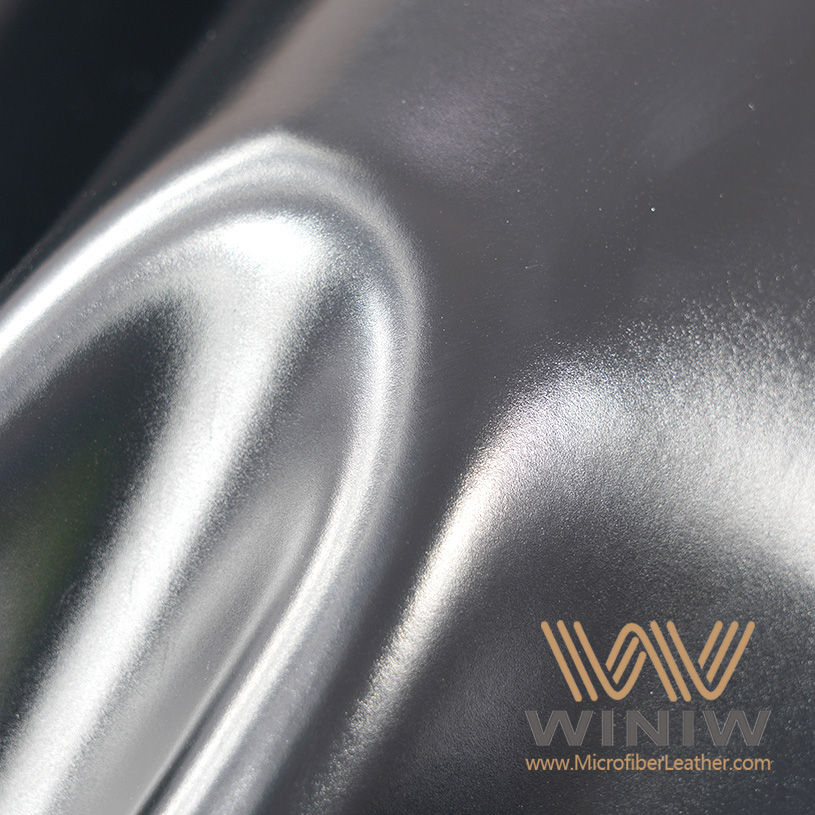
Innovative plant-based leathers include mushroom leather, which grows mycelium on agricultural waste and compresses it into sheets. This material is mostly bio-based and biodegradable. Pineapple leather, or Piñatex, uses cellulose fibers from pineapple leaves, supporting local farmers and reducing waste. These plant-based leathers offer you new options that combine performance with eco-friendly values.
When you choose vegan leather, you help reduce the carbon footprint compared to animal leather. Synthetic vegan leather has a lower climate impact than cow skin leather, but it still relies on plastics. As synthetic vegan leather breaks down, it can release microplastics and pollute water and air. Plant-based leather avoids these issues because it is both animal-free and plastic-free. Plant-based leathers use renewable resources and have a smaller environmental impact. You can support a more sustainable future by choosing plant-based leather products.
When you compare vegan leather to real leather, you notice important differences in how they look and last. Premium vegan leather can closely mimic the appearance of animal leather, but it usually does not match the durability of high-quality cow leather. Real leather, especially full-grain, can last for decades if you care for it properly. Most vegan leather products last between 2 to 5 years. Over time, you may see vegan leather start to peel or crack, while real leather develops a unique patina and stays strong.
You can use the table below to see how vegan leather and real leather compare in feel and look:
|
Feature |
Real Leather |
Vegan Leather |
|---|---|---|
|
Softness & Handfeel |
Rich, buttery, and dense; warms with body heat. |
Softer and more flexible (PU), or colder and stiffer (PVC). |
|
Grain & Texture |
Natural, irregular grain with tiny variations. |
Often uniform and artificial (PVC); can mimic grain (PU). |
|
Smell |
Warm, organic scent linked to luxury. |
Generally lacks the organic smell; varies by type. |
|
Warmth & Body |
Feels warm and has structure. |
Can feel cold and slick (PVC); varies by type. |
You may choose vegan leather because it is more environmentally friendly than traditional leather. The leather industry uses a lot of resources and creates pollution, especially during the tanning process. Tanning can cause up to 90% of the environmental impact from leather production. Vegan leather, especially plant-based types, uses fewer chemicals and less water. This makes it a better choice for the environment. Vegan leather also supports animal welfare and reduces harm to the planet.
The leather industry has a large environmental footprint from animal farming and tanning.
Vegan leather aligns with eco-friendly values and animal protection.
Lab-grown and plant-based leather alternatives use less energy and water, and they create less pollution.
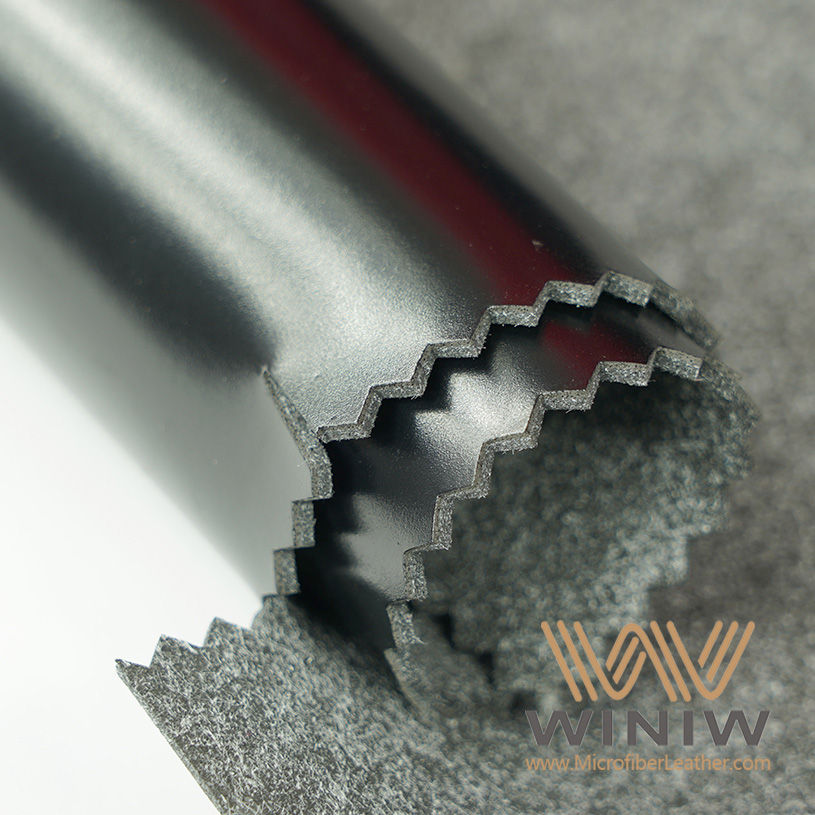
You find that vegan leather is becoming more available and affordable. Many brands now offer vegan options because more people want cruelty-free and sustainable products. New materials and better technology make vegan leather stronger and cheaper. You can buy vegan leather products online from anywhere in the world. Younger shoppers often choose vegan and faux leather because they care about the environment and animal rights.
|
Factor |
Description |
|---|---|
|
Consumer Demand |
More people want cruelty-free and sustainable fashion, so the market grows. |
|
Innovations in Materials |
New plant-based and bio-based materials improve quality and variety. |
|
Manufacturing Technology Improvements |
Better technology makes vegan leather more durable and affordable. |
|
Rise of Conscious Consumerism |
Young people choose sustainable options, changing the market. |
|
E-commerce Expansion |
Online shopping makes vegan leather products easy to find worldwide. |
Note: When you shop for leather alternatives, check the product details to see if it meets your needs for durability, style, and environmental impact.
You gain several important benefits when you choose vegan leather . Many people see it as a cruelty-free and ethical option because it does not use animal products. You also help the planet by supporting eco-friendly and environmentally friendly products. Vegan leather often uses plant based materials, which can be biodegradable and recyclable. This supports sustainable development and reduces waste. You also find vegan leather to be a flexible and durable alternative for many uses, from vegan leather jackets to luxury vegan leather handbags .
Vegan leather comes from non-animal sources, making it a cruelty-free choice.
Plant-based vegan leather is often biodegradable and recyclable, supporting eco goals.
Vegan leather usually requires fewer resources to produce than animal leather, making it more eco-friendly.
You see a wide range of alternative leather options in fashion and design. The table below shows how different materials offer unique features and uses:
|
Material |
Key Features |
Applications |
|---|---|---|
|
Bio-Tex |
Low carbon, luxurious, avoids harmful chemicals |
High fashion, eco products |
|
Leap Flex |
Apple waste, strong, flexible |
Upholstery, complex fashion shapes |
|
Lab-grown leather |
Custom textures, fewer resources |
Sustainable luxury fashion |
|
TômTex |
Biodegradable, versatile, mimics textures |
Fashion, upholstery |
|
Alt. Leather |
Plant fibers, leather look and feel |
Fashion, consumer goods |
|
Recycled plastic leather |
Affordable, reduces landfill, less breathable |
Footwear, accessories |
|
PU and PVC leathers |
Cheap, mass-market, plastic content |
Fast fashion, auto upholstery |
|
Waxed canvas |
Biodegradable, renewable, rugged |
Jackets, bags, accessories |
|
Recycled rubber leather |
Durable, flexible, from tires |
Belts, footwear |
|
Leaf leathers |
Renewable, plastic-free, unique look |
Wallets, handbags, artistic items |
You should also consider some drawbacks before choosing vegan leather. Not all vegan options are equally eco-friendly. Synthetic types like PU and PVC rely on fossil fuels, which can increase emissions. Some vegan leathers may not last as long as real leather, especially if you pick lower-quality products. Even high-quality faux leather can wear out faster under harsh conditions.
|
Drawback Type |
Details |
|---|---|
|
Environmental Impact |
Synthetic vegan leathers like PU and PVC rely on fossil fuels, leading to higher emissions. |
|
Durability Issues |
High-quality PU leather can withstand over 10,000 abrasion cycles, while lower-quality may only handle about 5,000 cycles. |
|
Maintenance Factors |
Exposure to harsh conditions can reduce the lifespan of vegan leather by up to 20%. |
You may find that vegan leather does not develop the same patina as animal leather. Some products may crack or peel over time. Always check product details to make sure you get a durable alternative that fits your needs.
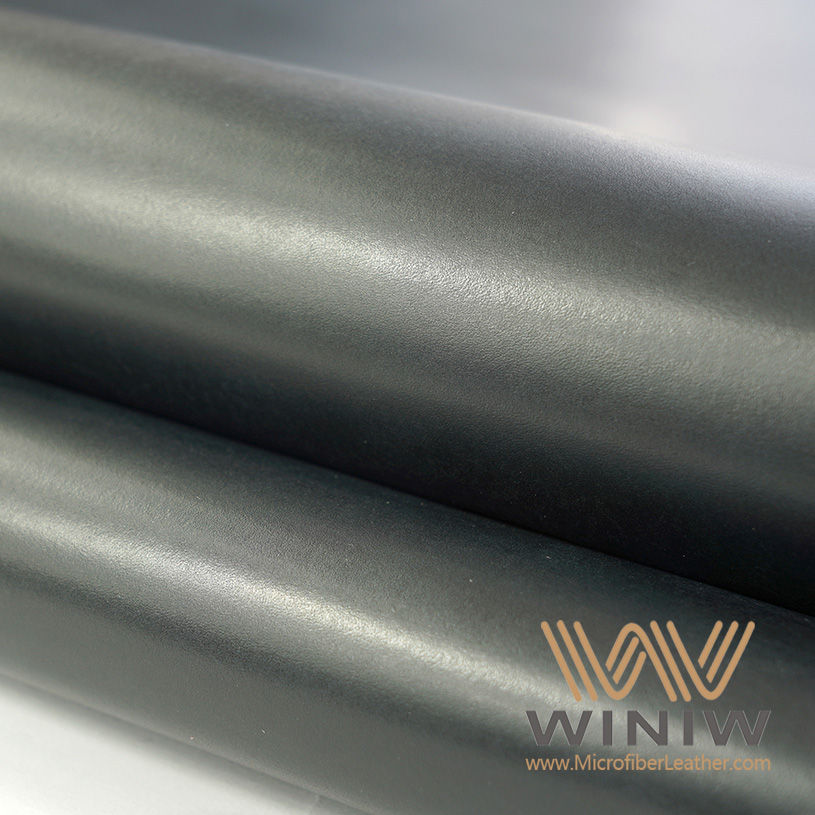
You see premium leather used in many industries today. Fashion, automotive, and furniture companies lead the way in adopting these materials. In fashion, you find leather in shoes, bags, and high-end clothing. The automotive industry uses leather for car interiors, especially in electric and hybrid vehicles. Furniture makers choose leather for sofas and chairs because it offers a modern look and easy care.
Here is a table showing how different types of leather appear in popular products:
|
Material |
Applications in Fashion and Accessories |
Applications in Upholstery |
|---|---|---|
|
Piñatex |
Footwear, bags |
N/A |
|
Mushroom leather |
Luxury fashion |
N/A |
|
Cactus leather |
Fashion, automotive |
Car interiors |
|
Apple leather |
Wallets, belts, footwear |
N/A |
|
Grape leather |
High-end fashion, handbags |
Car interiors |
You notice that each type of leather brings unique qualities to the products you use every day.
You can keep your leather products looking new with simple steps. Wipe the surface with a microfiber cloth and a mild soap solution. For tough stains, use isopropyl alcohol on a cotton swab. Apply a PU-specific conditioner and a topcoat spray twice a year to protect the finish. Avoid folding or stretching the leather to prevent cracks. Store your bags with acid-free tissue paper inside and place them in breathable fabric pouches. Keep all leather items in a cool, dry place away from sunlight.
Tip: Leather needs less upkeep than real leather. You can clean it easily with a damp cloth, while real leather requires special products and regular conditioning.
If you see small tears, use edge paint or a vinyl repair kit for quick fixes. Using your leather items as intended and storing them properly will help them last longer.
You now understand that premium vegan leather offers an animal-free, ethical choice. Brands use both synthetic and plant-based materials, but not all options are equally sustainable.
Vegan leather supports animal welfare and reduces environmental impact.
Durability varies, so check quality before buying.
Consider your values, needs, and product care when choosing.
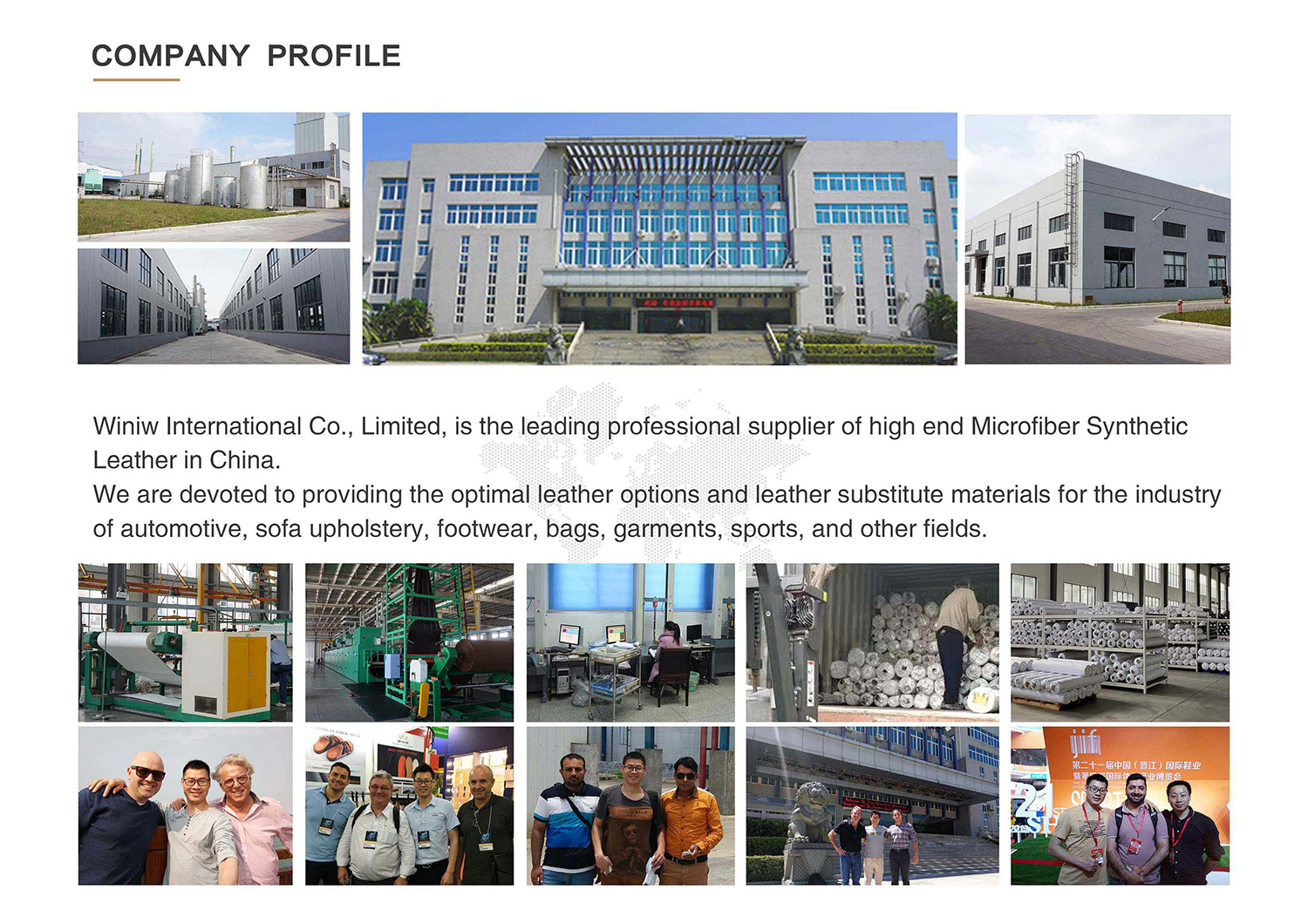
Premium vegan leather uses high-quality materials and advanced manufacturing. You get better durability, realistic texture, and eco-friendly options compared to standard vegan leather.
You can recycle some plant-based vegan leathers. Synthetic types like PU or PVC are harder to recycle. Always check product labels for recycling information.
You notice premium vegan leather feels soft and flexible. Manufacturers design it to mimic the texture and appearance of animal leather, but it may not develop a patina.
Winiw International Co.,Ltd


Digitalizar para wechat:



 Tel. : +86 18150976625
 Email : Market@MicrofiberLeather.com