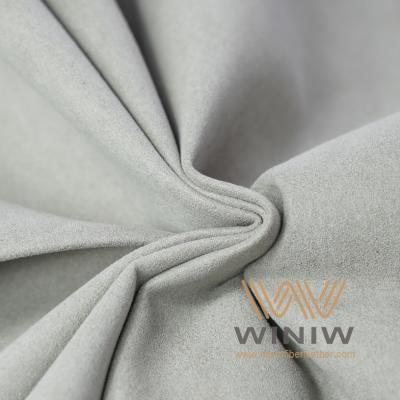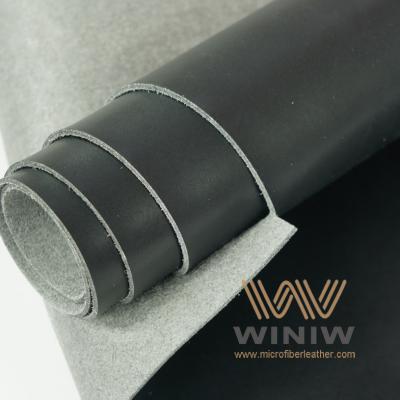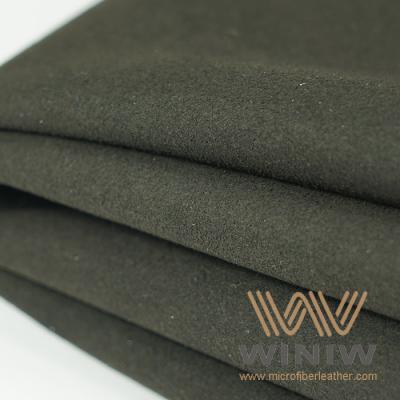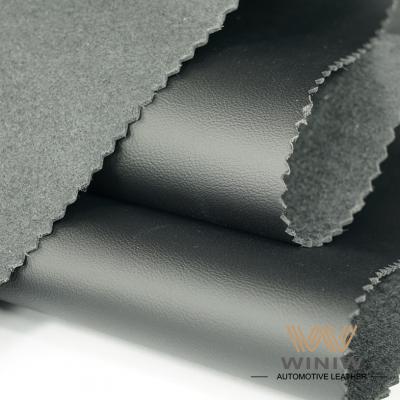
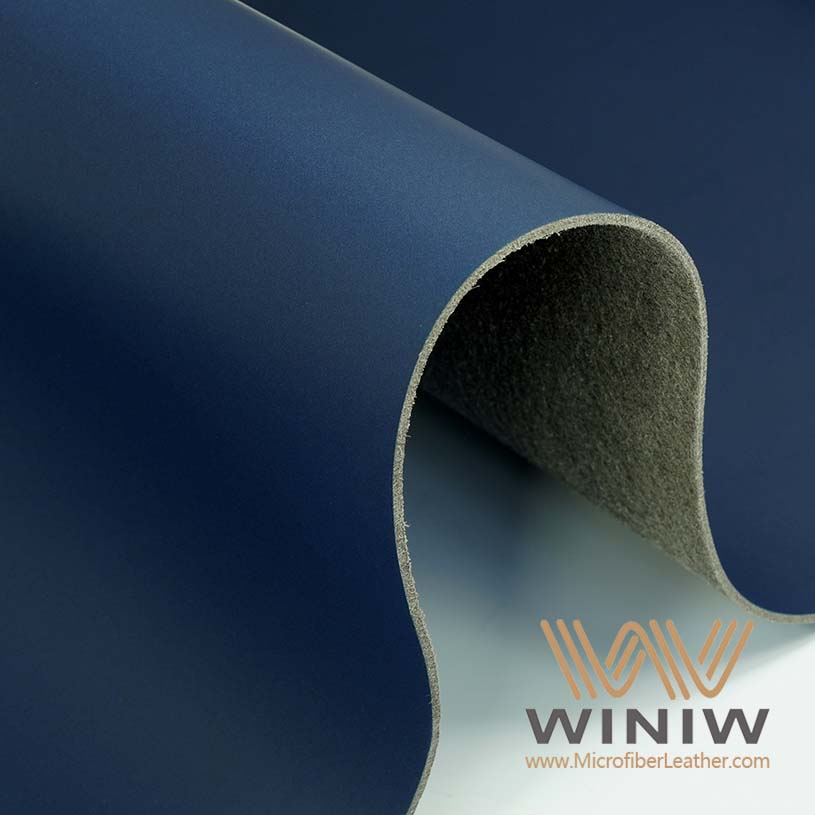
Você notará que os sapatos de segurança em nobuck oferecem uma textura aveludada que proporciona uma sensação suave ao toque, enquanto os materiais sintéticos oferecem uma passada mais leve. O conforto depende do ajuste, da respirabilidade e do amortecimento. Especialistas do setor destacam que um ajuste adequado e solados com absorção de impacto ajudam a manter o conforto durante longas horas em pé.
A maciez e a respirabilidade são fundamentais.
O design leve reduz a fadiga.
Nobuck Os calçados de segurança oferecem uma textura macia e aveludada que se molda aos pés, proporcionando conforto por longos períodos.
Sapatos de segurança sintéticos São leves e projetadas com amortecimento avançado, reduzindo a fadiga durante o uso prolongado.
Ambos os tipos de calçado de segurança oferecem proteção essencial; escolha com base nas suas necessidades de conforto e no ambiente de trabalho.
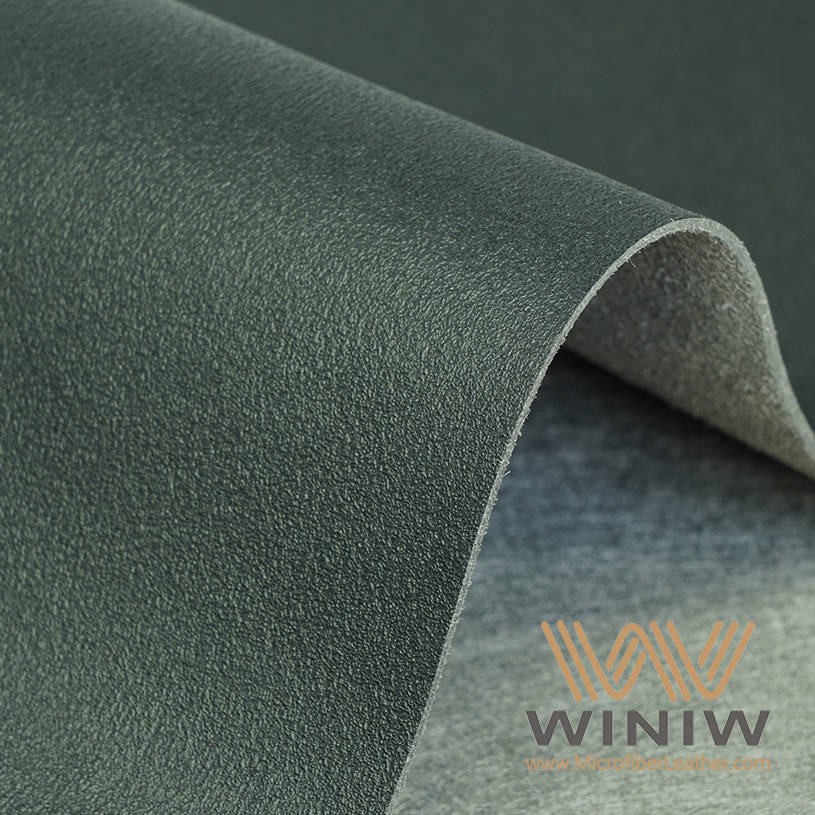
Ao calçar sapatos de segurança de nobuck, você percebe a diferença imediatamente. A superfície é aveludada e macia, proporcionando um toque suave aos seus pés. Essa textura única provém do lixamento fino do couro, que cria uma sensação de maciez. Muitos trabalhadores escolhem sapatos de segurança de nobuck porque desejam conforto que dure o dia todo. material superior macio Reduz os pontos de pressão e ajuda a prevenir bolhas. Você pode usar esses sapatos por longos períodos sem sentir desconforto causado por materiais rígidos ou ásperos.
Os sapatos de segurança em nobuck destacam-se pela sua respirabilidade. O couro natural e o forro interior especial trabalham em conjunto para manter os seus pés frescos e secos. Irá apreciar estes benefícios durante longas horas de trabalho:
O forro interno respirável ajuda a regular a temperatura.
A umidade evapora facilmente, mantendo seus pés secos.
Você evita o superaquecimento, mesmo em ambientes quentes.
Essa respirabilidade significa que você pode se concentrar no seu trabalho em vez de se preocupar com pés suados ou desconfortáveis.
Os sapatos de segurança em nobuck se adaptam aos seus pés com o tempo. O couro se torna mais flexível à medida que você os usa, moldando-se à estrutura única do seu pé. Você pode notar um breve período de adaptação, mas os sapatos rapidamente se tornam mais confortáveis. A flexibilidade dos sapatos de segurança em nobuck favorece os movimentos naturais e reduz a fadiga. Se você valoriza a adaptabilidade em seus sapatos de segurança, os sapatos de segurança em nobuck oferecem um ótimo equilíbrio entre suporte e conforto.
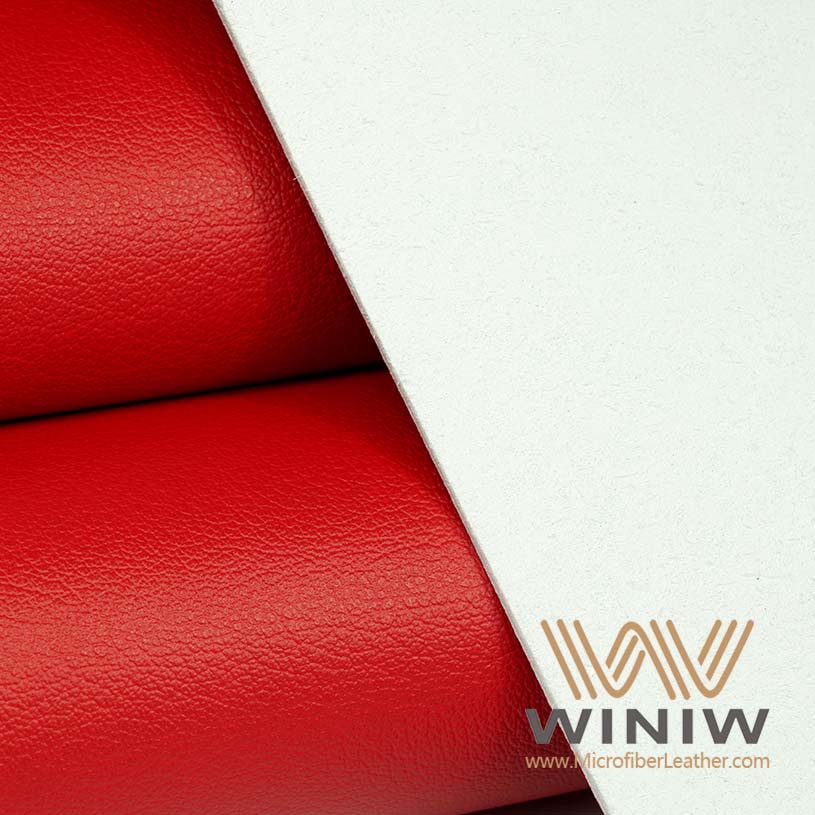
Você encontrará calçados de segurança sintéticos que oferecem tecnologias avançadas de amortecimento, aprimorando o conforto e o suporte. Muitas botas com biqueira de aço utilizam a Tecnologia de Amortecimento Total, que proporciona múltiplas camadas sob o calcanhar e a parte frontal do pé. Esse design ajuda a absorver o impacto e oferece suporte extra durante longos turnos de trabalho. As palmilhas Foot Force envolvem os pés e adicionam mais suporte com poliuretano de dupla densidade. As palmilhas FootFuel proporcionam retorno de energia e mantêm seus pés confortáveis o dia todo. A Tecnologia Aircom Athletic Air Comfort, localizada no calcanhar, aumenta o amortecimento para maior conforto ao caminhar. Esses recursos fazem das botas sintéticas com biqueira de aço uma excelente opção se você precisa de suporte confiável.
|
Nome da tecnologia |
Descrição |
|---|---|
|
Tecnologia de amortecimento total |
Cinco camadas sob o calcanhar e três sob a parte frontal para conforto e proteção contra impactos. |
|
Palmilha Foot Force |
Poliuretano de dupla densidade, amortece e acomoda o pé, almofadas com absorção de impacto. |
|
Palmilha FootFuel |
Conforto e retorno de energia, absorve impactos, oferece suporte aos pés e mantém as propriedades por mais tempo. |
|
Tecnologia Aircom Athletic Air Comfort |
Amortecimento no calcanhar, conforto incomparável ao caminhar |
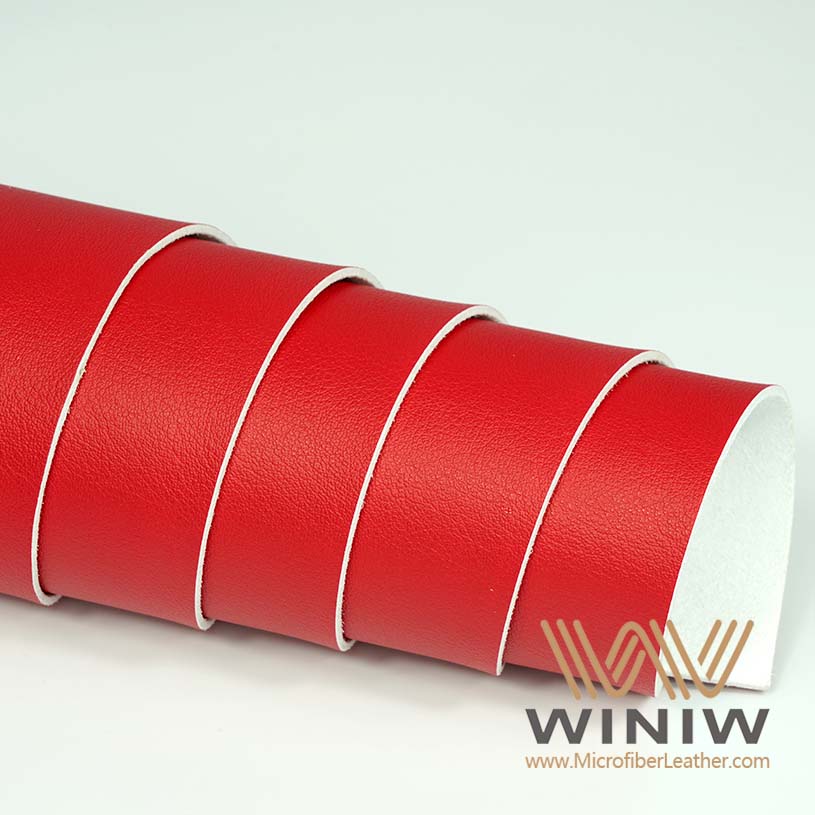
As botas sintéticas com biqueira de aço destacam-se pela sua construção leve. Você notará menos fadiga ao usá-las por longos períodos. O cabedal em microfibra e tecido torna estas botas leves e respiráveis. O forro em poliamida absorve a umidade e proporciona conforto. Materiais microaerados em 3D mantêm seus pés frescos. Camadas impermeáveis e respiráveis mantêm você seco sem adicionar peso. A pele sintética isola termicamente em climas frios. Palmilhas de espuma e tecido oferecem conforto macio e suporte leve. Você pode se movimentar com facilidade e conforto graças a esses recursos de leveza.
Sapatos de segurança sintéticos A limpeza é simples. Basta sabão neutro e água fria para remover a sujeira. Para melhores resultados, use uma escova de cerdas duras ou um pano macio. A secagem ao ar livre mantém o material em bom estado. Botas com biqueira de aço e cabedal sintético resistem a manchas e exigem menos cuidados do que as de nobuck. O nobuck precisa de escovas especiais e sprays impermeabilizantes. Botas sintéticas economizam tempo e esforço. Você obtém suporte durável e leve, além de fácil manutenção no dia a dia.
Calçado de segurança sintético:
Limpe com sabão neutro e água fria.
Use uma escova rígida ou um pano macio.
Deixe secar ao ar livre para evitar danos.
Sapatos de segurança em camurça sintética:
Use uma escova de sapatos específica.
Aplique bicarbonato de sódio para remover manchas.
Use spray impermeabilizante para proteção.
Você passa muitas horas em pé no trabalho. Os calçados de segurança adequados fazem toda a diferença no seu dia a dia. Os calçados de segurança em camurça sintética proporcionam uma sensação macia e confortável. O couro se molda ao seu pé e reduz os pontos de pressão. Você notará menos atrito e menos bolhas. Sapatos de segurança sintéticos Priorize o design leve. Você sente menos fadiga porque os tênis são mais leves. Muitos modelos sintéticos utilizam recursos avançados de proteção que adicionam amortecimento e suporte. Você obtém o máximo conforto com ambos os tipos, mas de maneiras diferentes.
Dica: Experimente sapatos de segurança de camurça e de material sintético antes de comprar. Caminhe pela loja para verificar se oferecem proteção completa e conforto.
Uma tabela pode ajudá-lo a comparar o desempenho de cada material para uso durante todo o dia:
|
Recurso |
Sapatos de segurança em camurça |
Sapatos de segurança sintéticos |
|---|---|---|
|
Maciez |
Alto |
Moderado |
|
Peso |
Moderado |
Luz |
|
Período de adaptação |
Curto |
Quase nenhum |
|
Amortecimento |
Bom |
Proteção avançada |
|
Certificado em Segurança |
Sim |
Sim |
|
Máximo conforto |
Sim |
Sim |
Você precisa de calçados de trabalho que ofereçam proteção genuína e atendam aos padrões de segurança do local de trabalho. Ambos os tipos oferecem proteção certificada para os dedos e proteção completa para os pés. Você deve escolher aquele que melhor se adequa às suas necessidades de conforto e às exigências do seu trabalho.
Você trabalha em ambientes onde o calor e o suor podem causar desconforto. Os calçados de segurança em nobuck utilizam couro natural que permite a circulação de ar. Seus pés permanecem mais frescos e secos. A respirabilidade do nobuck ajuda a evitar o superaquecimento. Os calçados de segurança sintéticos utilizam forros que absorvem a umidade e materiais aerados em 3D. Essas características afastam o suor da sua pele. Você obtém proteção avançada contra o acúmulo de umidade.
Nobuck: Ideal para respirabilidade e resfriamento natural.
Sintéticos: Ideais para controle de umidade e secagem rápida.
Ambos os tipos de calçado de segurança oferecem proteção completa e desempenho certificado. Você deve considerar seu ambiente de trabalho. Se você trabalha em condições de calor, o camurça sintética pode proporcionar o máximo conforto. Se você precisa de calçados de secagem rápida, os materiais sintéticos podem ser mais adequados.
Você precisa de calçados de segurança que se ajustem bem e se adaptem ao formato do seu pé. Os calçados de segurança em camurça sintética esticam e se moldam aos seus pés com o tempo. Você obtém um ajuste personalizado e proteção completa. Os calçados de segurança sintéticos mantêm sua forma e oferecem suporte consistente. Muitos modelos sintéticos utilizam tecnologias avançadas de proteção para os dedos e estabilidade.
Nota: Verifique sempre se seus calçados de segurança são certificados para uso industrial e atendem às normas de segurança para calçados de segurança.
Você busca calçados que ofereçam o máximo conforto, proteção avançada e proteção completa. O nobuck se adapta ao formato do seu pé para um ajuste personalizado. Os materiais sintéticos proporcionam desempenho confiável e proteção certificada para os dedos, todos os dias. Ambos os tipos ajudam a atender às necessidades de proteção contra riscos e a manter um alto nível de segurança no trabalho.
Ao escolher seu próximo par de sapatos de segurança, concentre-se no desempenho, no conforto e nos recursos de segurança certificados.
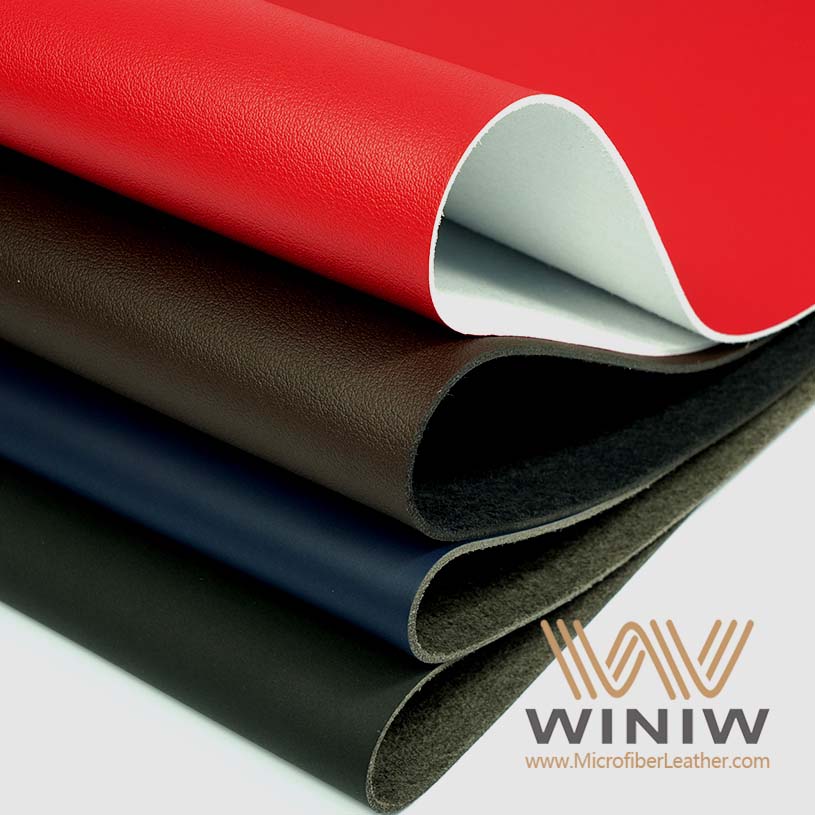
Você ouve muitas histórias de trabalhadores que dependem dos melhores calçados de segurança todos os dias. Quando você escolhe botas de trabalho de nobuck Você perceberá uma sensação de liberdade e conforto que torna os longos turnos mais suportáveis. Muitos usuários afirmam que essas botas de trabalho promovem flexibilidade e ajudam a reduzir a fadiga dos pés. Você pode sentir menos dores musculoesqueléticas, pois o design oferece suporte ao alinhamento correto. Alguns trabalhadores relatam que o uso dessas botas fortalece os músculos dos pés e melhora o equilíbrio, o que diminui o risco de lesões. Se você passa horas em pé, precisa de botas de trabalho que ofereçam conforto e suporte. Os melhores calçados de segurança costumam se tornar sua parte favorita do seu equipamento de trabalho.
Você se sente mais confortável durante turnos longos.
Seus pés permanecem flexíveis e menos cansados.
Você percebe um melhor equilíbrio e menos lesões.
Você sente menos dor nas pernas e nas costas.
Os trabalhadores costumam dizer: "Estas botas de trabalho fazem toda a diferença no meu dia a dia."
Você quer saber o que os usuários não gostam nos melhores calçados de segurança. Muitos trabalhadores comparam botas de trabalho de nobuck com opções sintéticas antes de escolher. Você percebe que as botas de nobuck oferecem maciez e flexibilidade, mas podem ser propensas a arranhões e manchas. É preciso limpá-las com frequência para manter sua durabilidade. As botas de trabalho sintéticas exigem menos manutenção, mas alguns usuários acham que elas não são tão respiráveis quanto as de nobuck. Os melhores calçados de segurança devem equilibrar conforto, durabilidade e facilidade de limpeza.
|
Vantagens do Nubuck |
Desvantagens do Nubuck |
|---|---|
|
Macio e flexível, proporcionando conforto imediato. |
Propenso a arranhões e manchas |
|
Respirável, ideal para climas mais quentes. |
Requer manutenção frequente. |
|
Desenvolve uma pátina única ao longo do tempo, realçando o seu carácter. |
|
|
Mais durável que camurça, ideal para uso diário. |
|
|
Alinhado com valores ecologicamente conscientes devido ao fornecimento sustentável. |
|
Você quer botas de trabalho duráveis e confortáveis. Os melhores calçados de segurança combinam durabilidade e conforto, ajudando você a se manter produtivo e seguro.
Se você tem pés sensíveis, precisa de calçados de segurança que priorizem o conforto. É importante evitar dores e fadiga durante longos turnos de trabalho. Procure por características que ofereçam suporte aos seus pés e os mantenham saudáveis:
O design focado no conforto ajuda a prevenir dores nos pés.
Um calçado bem ajustado permite que seus dedos tenham espaço para se mover sem deslizar.
O suporte para o arco do pé distribui o peso e reduz a tensão.
A absorção de impactos reduz o estresse nas articulações causado pelo impacto.
A respirabilidade mantém seus pés secos e confortáveis.
Calçados com biqueira de composite costumam oferecer opções leves e confortáveis para pés sensíveis. Também é importante verificar a ergonomia do design para garantir suporte durante todo o dia.
Ambientes de trabalho exigentes requerem calçados de segurança que ofereçam máxima proteção e durabilidade. Você precisa de calçados fabricados com materiais resistentes e de alta qualidade. A qualidade superior da fabricação, frequentemente encontrada em lotes menores, resulta em calçados mais duráveis. Ao investir em calçados de segurança duráveis, você transforma suas botas em equipamentos confiáveis, e não em itens descartáveis. Calçados com biqueira de composite oferecem proteção contra impactos, além de serem leves e confortáveis. Priorize a tração e a ergonomia para obter maior estabilidade e suporte. A proteção contra riscos continua sendo essencial em qualquer ambiente de trabalho exigente.
Você pode maximizar o conforto e a proteção em seus calçados de segurança com algumas dicas de especialistas:
Escolha um calçado que fique bem ajustado e ofereça bom suporte ao tornozelo para evitar que o pé escorregue.
Limpe as solas regularmente para manter a tração.
Deixe suas botas secarem ao ar livre após cada uso para evitar danos ao material.
Alterne entre os pares para prolongar a vida útil do seu calçado de segurança.
Experimente as botas à tarde, quando seus pés estiverem maiores.
Use suas meias de trabalho ao experimentar botas novas.
Mantenha as botas secas e limpas para evitar bactérias e danos ao material.
Dica: Certifique-se sempre de que seu calçado de segurança ofereça a proteção adequada e atenda às suas necessidades diárias. Uma boa ergonomia e proteção contra impactos ajudam você a se manter seguro e confortável todos os dias.
Você percebe que o conforto é o fator mais importante na escolha de calçados de segurança. Pesquisas mostram que muitos trabalhadores, especialmente as mulheres, sentem desconforto. O nobuck oferece maciez e respirabilidade. Os materiais sintéticos oferecem suporte leve. Se você tem pés sensíveis, experimente o nobuck. Para trabalhos pesados, escolha os sintéticos. Experimente os dois tipos para encontrar o ajuste ideal.
Botas de segurança com biqueira reforçada protegem seus dedos contra impactos. Oferecem durabilidade e suporte extras para trabalhos pesados. Essas botas atendem aos padrões de segurança do trabalho.
Os sapatos com biqueira de segurança possuem amortecimento avançado. Você sente menos fadiga e mais suporte. Materiais respiráveis Mantenha seus pés secos e confortáveis o dia todo.
Botas de segurança com biqueira de proteção devem ser limpas com uma escova especial. Sapatos de segurança com biqueira de proteção precisam apenas de água e sabão neutro. Ambos os tipos de calçados mantêm sua durabilidade com cuidados regulares.
Winiw International Co.,Ltd


Digitalizar para wechat:



 Tel. : +86 18150976625
 Email : Market@MicrofiberLeather.com