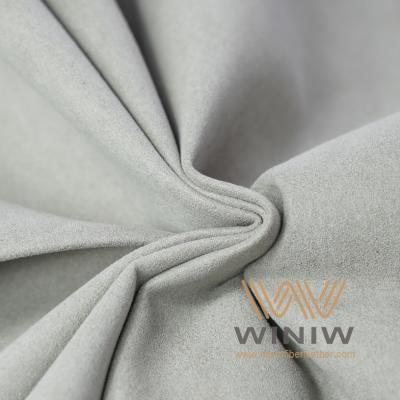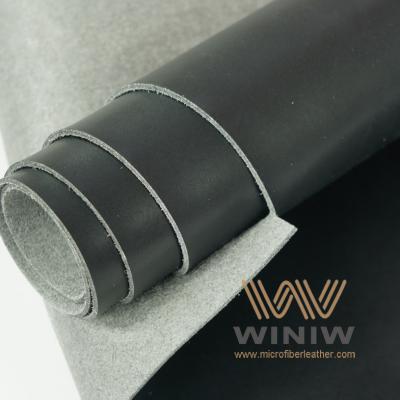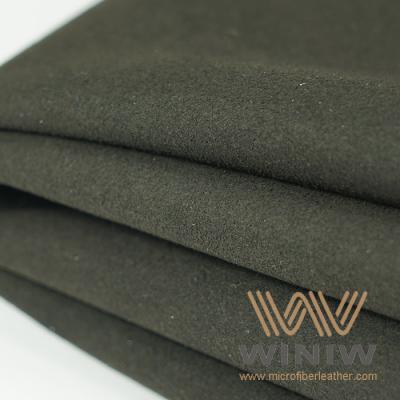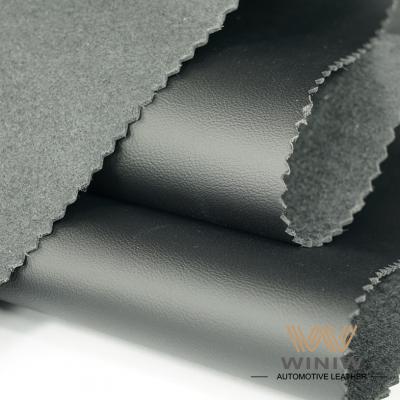
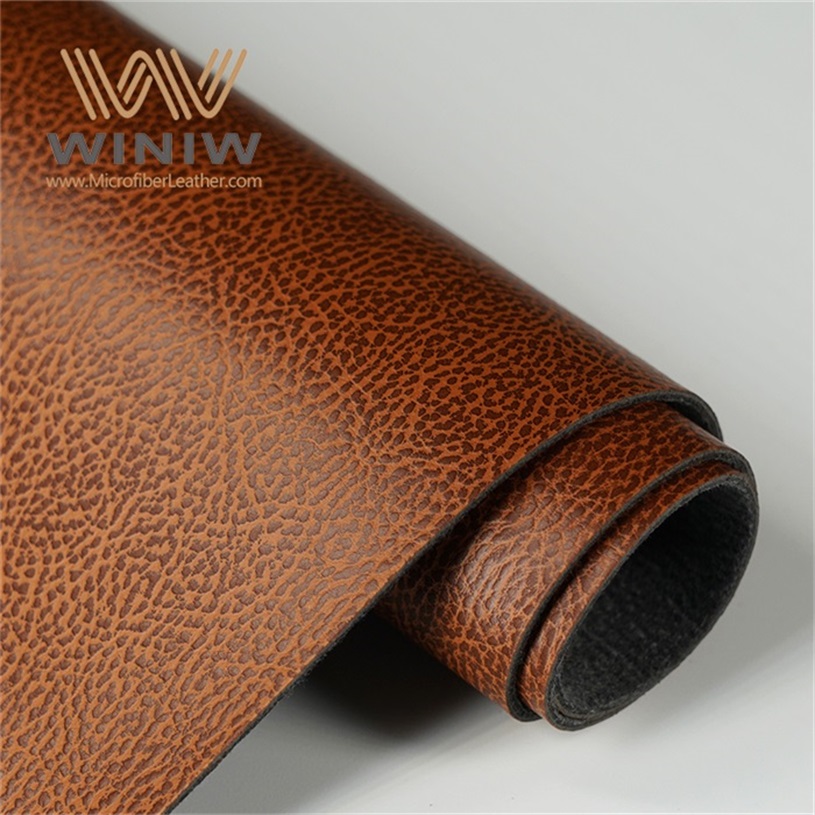
Os têxteis de couro utilizam peles de animais para criar materiais com qualidades excepcionais. Ao escolher o couro, você experimenta durabilidade, versatilidade e apelo estético. Em 2023, a produção global de peles brutas atingiu 21 milhões de toneladas métricas. O processo de produção determina a qualidade, que confere ao couro sua pátina única e conforto duradouro.
|
Qualidade única |
Descrição |
|---|---|
|
Durabilidade |
O couro é conhecido por sua durabilidade, o que o torna uma escolha preferida para diversas aplicações. |
|
Versatilidade |
Pode ser usado em uma ampla gama de produtos , da moda aos interiores de automóveis. |
|
Apelo estético |
O couro oferece uma aparência e um toque únicos que aprimoram a experiência visual e tátil dos produtos. |
|
Significado histórico |
O couro possui uma rica história em diversas culturas, o que aumenta seu valor e atratividade. |
Os tecidos de couro são duráveis e versáteis, o que os torna ideais para diversos produtos, como roupas, móveis e interiores de automóveis.
O processo de produção de couro envolve etapas cuidadosas, como curtimento e acabamento, que melhoram a qualidade e a durabilidade do material.
Escolhendo opções de couro sustentável Apoia práticas éticas e reduz o impacto ambiental, beneficiando tanto os consumidores quanto o planeta.
Você encontra tecidos de couro em muitos aspectos do seu dia a dia. Esses materiais são feitos a partir de peles de animais, principalmente de bovinos, e passam por etapas como curtimento, tingimento e acabamento. Os tecidos de couro se destacam por oferecerem resistência e flexibilidade. Especialistas do setor descrevem os tecidos de couro como materiais feitos de peles de animais, especialmente de bovinos, que se tornam duráveis e versáteis por meio de um processamento cuidadoso.
Os produtos têxteis de couro têm suas raízes na indústria da carne. Quando animais como vacas, ovelhas, cabras e porcos são criados para alimentação, suas peles se tornam a principal fonte de couro. A maior parte do couro provém de animais abatidos para consumo de carne, sendo a produção de carne bovina a que fornece a maior quantidade de peles. A indústria do couro frequentemente trabalha em estreita colaboração com o setor da carne, por vezes atribuindo até mesmo maior valor às peles do que à carne.
O couro é obtido principalmente de animais como vacas, ovelhas, cabras e porcos, que também são criados para o consumo de carne.
A maior parte do couro provém de peles de animais abatidos para consumo humano, sendo a produção de carne bovina a que gera o maior número de peles.
A indústria do couro opera como um setor econômico significativo, por vezes priorizando o couro em detrimento da produção de carne.
Você escolhe tecidos de couro por suas qualidades impressionantes. O couro resiste ao desgaste, tornando-se a escolha ideal para itens que precisam durar. Encontramos tecidos de couro em diversos produtos, desde jaquetas estilosas até sofás robustos. Sua versatilidade permite que você o utilize tanto na moda quanto no mobiliário.
|
Tipo de aplicação |
Descrição |
|---|---|
|
Doméstico |
Sofás, poltronas reclináveis, pufes e camas com estofamento em couro são os itens que mais geram receita, valorizados por sua durabilidade contra desgaste e derramamentos. |
|
Comercial |
Estofados de couro em escritórios e espaços comerciais transmitem profissionalismo e durabilidade, sendo o couro genuíno utilizado em ambientes de alto padrão. Couro do falso Em ambientes mais informais. |
|
Automotivo |
O couro é amplamente utilizado em interiores de automóveis, principalmente em veículos de luxo, aprimorando a estética e o conforto com materiais duráveis. |
Você se beneficia da aparência e do toque únicos dos tecidos de couro. Sua textura natural e cores ricas agregam valor a qualquer produto. Ao escolher o couro, você investe em qualidade e tradição.
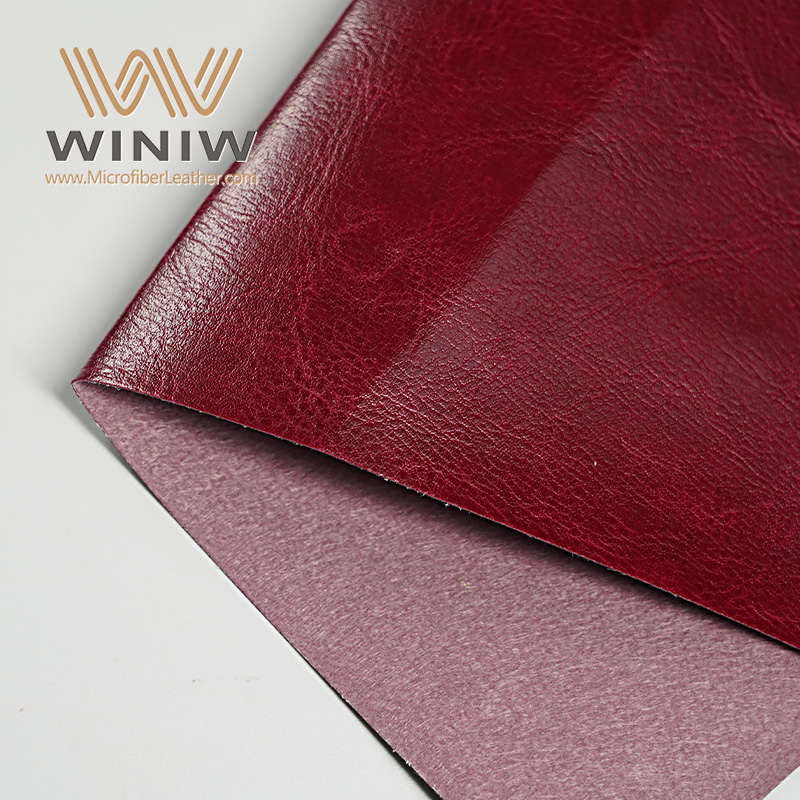
Você desempenha um papel importante na compreensão de como as peles de animais se transformam em... tecido de couro de alta qualidade O processo de produção de couro envolve três etapas principais: preparação das peles, curtimento e acabamento. Cada etapa afeta a qualidade, a durabilidade e a longevidade do produto final em couro.
Começa-se com peles de animais, provenientes de vacas, ovelhas, cabras e porcos. Essas peles exigem um manuseio cuidadoso para evitar a deterioração e garantir a melhor qualidade para a fabricação de couro. O processo de preparação inclui várias etapas que limpam, amaciam e preparam as peles para o curtimento.
Cura: Utiliza-se sal para preservar o couro e impedir o crescimento bacteriano.
Imersão: As peles são mergulhadas em água para remover o sal e restaurar a umidade.
Calagem: Aplica-se cal para remover pelos e tecidos indesejados.
Depilação, raspagem e remoção da carne: você limpa qualquer tecido restante da superfície.
Descalcificação: Neutraliza-se o calcário para preparar os couros para processamento posterior.
Bating ou Puring: Utilizam-se enzimas para amaciar o couro.
Imersão: As peles são mergulhadas em uma solução para prepará-las para o processo de curtimento.
Decapagem: O couro é tratado com ácido e sal para prepará-lo para o curtimento.
Durante essas etapas, são utilizados produtos químicos como álcalis, cianetos, aminas e sulfetos. Esses produtos químicos ajudam a curar o couro e a remover materiais indesejados. Também são aplicados desinfetantes durante a imersão para evitar o crescimento bacteriano. Cada etapa do processo de produção de couro garante que o couro atinja a qualidade adequada para a próxima fase.
Você passa para a etapa mais crítica: o processo de curtimento do couro. O curtimento transforma peles de animais em um tecido de couro estável e utilizável. Esse processo impede que as peles se decomponham e lhes confere a resistência e a flexibilidade que você espera de um couro de alta qualidade.
O processo de curtimento envolve várias etapas principais:
Preparação química no tambor: Misturam-se peles, água e produtos químicos em tambores rotativos para um processamento uniforme.
Processos de esverdeamento e argamassa: Relaxam o tecido dérmico e aumentam a flexibilidade, preparando as peles para absorver os agentes curtidores.
Calagem e Purificação: A pele é inchada com cal e depois neutralizada para prepará-la para o bronzeamento.
Fase de curtimento: Utilizam-se agentes curtidores para prevenir a degradação orgânica e melhorar a resistência ao estresse.
Você pode escolher entre diferentes métodos de curtimento. O curtimento vegetal utiliza extratos de plantas, como o tanino da casca do carvalho. Esse método cria um couro com textura única e fragrância natural. É um processo mais demorado, mas produz um couro ecologicamente correto. O curtimento ao cromo utiliza sais de cromo e representa 90% da produção mundial de couro. Esse método resulta em um couro macio e fino, resistente ao encolhimento e com boa elasticidade. Outros métodos incluem o curtimento com aldeídos, o curtimento com fumaça e o curtimento com alúmen. O curtimento sem cromo utiliza glutaraldeído, oxazolidina, formaldeído, alumínio, zircônio ou agentes sintéticos.
Os riscos à saúde associados à exposição ao cromo dependem do seu estado de oxidação. A forma hexavalente é tóxica. Os efeitos adversos da forma hexavalente na pele podem incluir ulcerações, dermatite e reações alérgicas cutâneas. A inalação de compostos de cromo hexavalente pode resultar em ulceração e perfuração das membranas mucosas do septo nasal, irritação da faringe e laringe, bronquite asmática, broncoespasmo e edema. Os sintomas respiratórios podem incluir tosse e chiado no peito, falta de ar e coceira nasal.
Como você pode ver, a escolha do método de curtimento afeta a qualidade, a textura e o impacto ambiental do couro. O curtimento tem uma longa história, com civilizações antigas como a Suméria e a Índia desenvolvendo técnicas primitivas. Hoje, encontramos inovações como o curtimento ecológico, a reciclagem de água e sistemas energeticamente eficientes que reduzem a pegada ambiental da fabricação de couro.
Chegamos à etapa final do processo de produção de couro: o acabamento. Essas etapas conferem ao couro a aparência, o toque e o desempenho desejados. O processo de acabamento inclui a aplicação de revestimentos, corantes e tratamentos que melhoram tanto a qualidade quanto a durabilidade.
|
Técnica de acabamento |
Descrição |
Características |
|---|---|---|
|
Revestimentos protetores |
Aplicado para proteger o couro da água, manchas e desgaste. |
Aumenta a resistência à água e a durabilidade, prolongando a vida útil do couro. |
|
Acabamento brilhante |
Utiliza materiais que realçam o brilho para um aspecto luminoso. |
Aumenta o apelo visual e oferece proteção da superfície contra manchas e sujeira. |
|
Acabamento fosco |
Resulta num aspeto natural e sem reflexos. |
Permite a visualização da textura natural, o que é atraente para quem busca autenticidade, mas pode ser mais suscetível a manchas. |
|
Acabamento antigo |
Confere ao couro um aspecto vintage com corantes mais escuros. |
Realça a textura e adiciona profundidade, criando uma aparência envelhecida. |
|
Texturização |
Cria padrões ou texturas para despertar interesse visual. |
Obtido através de relevo ou baixo-relevo, frequentemente utilizado para produtos únicos e de alta qualidade. |
É preciso prestar atenção aos produtos químicos utilizados no acabamento. Produtos químicos agressivos podem alterar a composição química do acabamento do seu couro. Essa alteração pode afetar a rapidez com que o couro se desgasta ou resseca. Tratamentos químicos adequados preservam e amaciam o couro, garantindo que ele permaneça confortável e durável.
Você também enfrenta desafios no processo de produção de couro. Preocupações ambientais, considerações éticas e pressões econômicas impactam as etapas de fabricação do couro. As regulamentações exigem que você gerencie os resíduos e reduza a poluição, o que pode aumentar os custos, mas também melhorar a sustentabilidade.
Ao compreender cada etapa do processo de produção do couro, você obtém informações sobre o que torna o tecido de couro único. Você vê como a preparação cuidadosa, o curtimento avançado e o acabamento especializado se combinam para criar têxteis valorizados por sua qualidade, durabilidade e versatilidade.
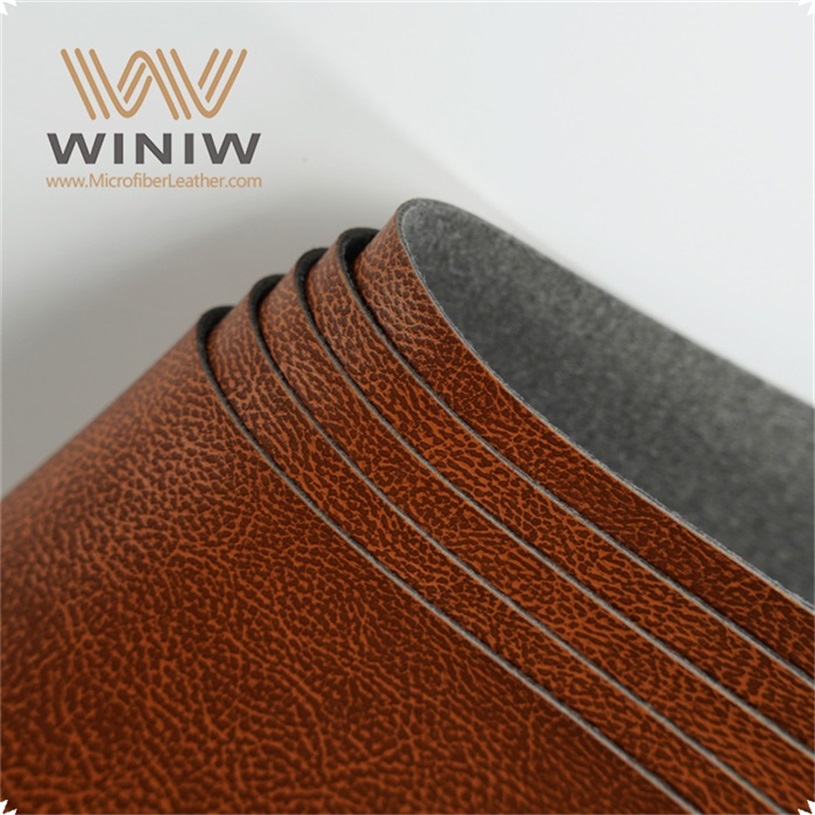
Você encontra muitos tipos de tecidos de couro no mercado. Cada tipo possui características e usos únicos. Ao comprar artigos de couro, você frequentemente encontra estes tipos:
Couro natural
Couro metálico
Couro pigmentado
Couro semi-anilina
Couro camurça
Couro bovino
Couro de touro
Couro de porco
Você pode encontrar esses tipos de produtos em diferentes setores. A tabela abaixo mostra como você usa produtos de couro no dia a dia:
|
Indústria |
Aplicações |
|---|---|
|
Moda |
Vestuário (calças, saias, jaquetas de couro), calçado (sapatos, botas), acessórios (bolsas, carteiras, porta-moedas) |
|
Estofamento |
Mobiliário (cadeiras, sofás, pufes), estofamento automotivo (bancos de carro, painéis de portas) |
|
Acessórios |
Chaveiros, joias, pulseiras de relógio, capas para celular, capas para laptop |
|
Bolsas |
Bolsas, mochilas, pastas e malas de viagem resistentes. |
|
Lar Decoração |
Almofadas decorativas, tapetes, revestimentos de parede, abajures |
|
Artigos esportivos |
Equipamentos esportivos (luvas, bolas de beisebol, bolas de futebol americano, equipamentos de boxe) |
Você percebe que bolsas, carteiras e outros artigos de couro continuam populares no mundo todo. O couro de alta qualidade se destaca em bolsas e acessórios de luxo.
Você escolhe o couro por suas propriedades especiais. Diferentes tipos de couro oferecem benefícios únicos. A tabela abaixo compara os principais tipos mais comuns:
|
Atributo |
Couro de flor integral |
Couro de flor integral |
|---|---|---|
|
Aparência |
Superfície lisa, imperfeições removidas com lixa. |
Grãos e imperfeições visíveis |
|
Durabilidade |
Resistente, porém menos durável que a fibra integral. |
O couro mais durável do mercado |
|
Respirabilidade |
Menos respirável |
Mais respirável |
|
Pátina |
Menos pátina |
Desenvolve uma rica pátina. |
|
Sentir |
Macio, flexível |
Firme, amolece com o uso. |
|
Manutenção |
Fácil de limpar |
Necessita de condicionamento. |
|
Preço |
Mais acessível |
Caro |
|
Usos comuns |
Bolsas, carteiras, móveis, assentos de carro |
Bolsas, sapatos, cintos e móveis de alta qualidade. |
|
Recurso |
Couro dividido |
Couro reconstituído |
|---|---|---|
|
Composição |
Camadas inferiores de couro |
Couro triturado com látex/poliuretano |
|
Qualidade |
Menor que grãos integrais ou grãos de topo |
Varia de acordo com a porcentagem de fibra do couro. |
|
Aplicações |
Diversos produtos, não necessariamente de alta qualidade. |
Móveis e acessórios baratos |
Você descobrirá que o couro dura mais do que a maioria dos tecidos sintéticos. O couro genuíno resiste a rasgos e estiramentos. Você pode usar artigos de couro em condições adversas, enquanto o couro sintético pode rachar ou descascar. Couro vegano É durável, mas não se compara à resistência do couro verdadeiro.
Dica: Jaquetas de couro combinam com estilos casuais e formais. Você pode usá-las com jeans durante o dia ou adicionar um cachecol para a noite.
Você perceberá que o couro italiano de flor integral custa mais do que o couro reconstituído. Muitas pessoas preferem produtos de couro por sua durabilidade, estilo e versatilidade. Artigos de couro como bolsas, carteiras e acessórios continuam sendo muito procurados em todo o mundo.
Você vê como o couro se transforma por meio de etapas cuidadosas como curtimento, divisão, tingimento e acabamento. O couro se destaca pela durabilidade, beleza e autenticidade. Ele é usado na moda, em móveis e em carros. A produção moderna de couro valoriza a sustentabilidade e o artesanato. Você pode confiar no couro certificado para garantir qualidade e responsabilidade ambiental.
Você escolhe tecidos de couro que usam práticas sustentáveis Isso inclui o fornecimento responsável, a redução do uso de produtos químicos e a gestão de resíduos. A produção sustentável ajuda a proteger os recursos e apoia o tratamento ético dos animais.
Ao escolher curtumes que reciclam água e utilizam produtos químicos ecológicos, você apoia práticas sustentáveis. Essas ações reduzem a poluição e o consumo de energia, diminuindo o impacto ambiental da produção de couro.
Você verá práticas sustentáveis e inovações como agentes de curtimento à base de plantas e energia renovável. Esses métodos permitem que você desfrute de produtos de couro enquanto apoia um futuro mais sustentável.
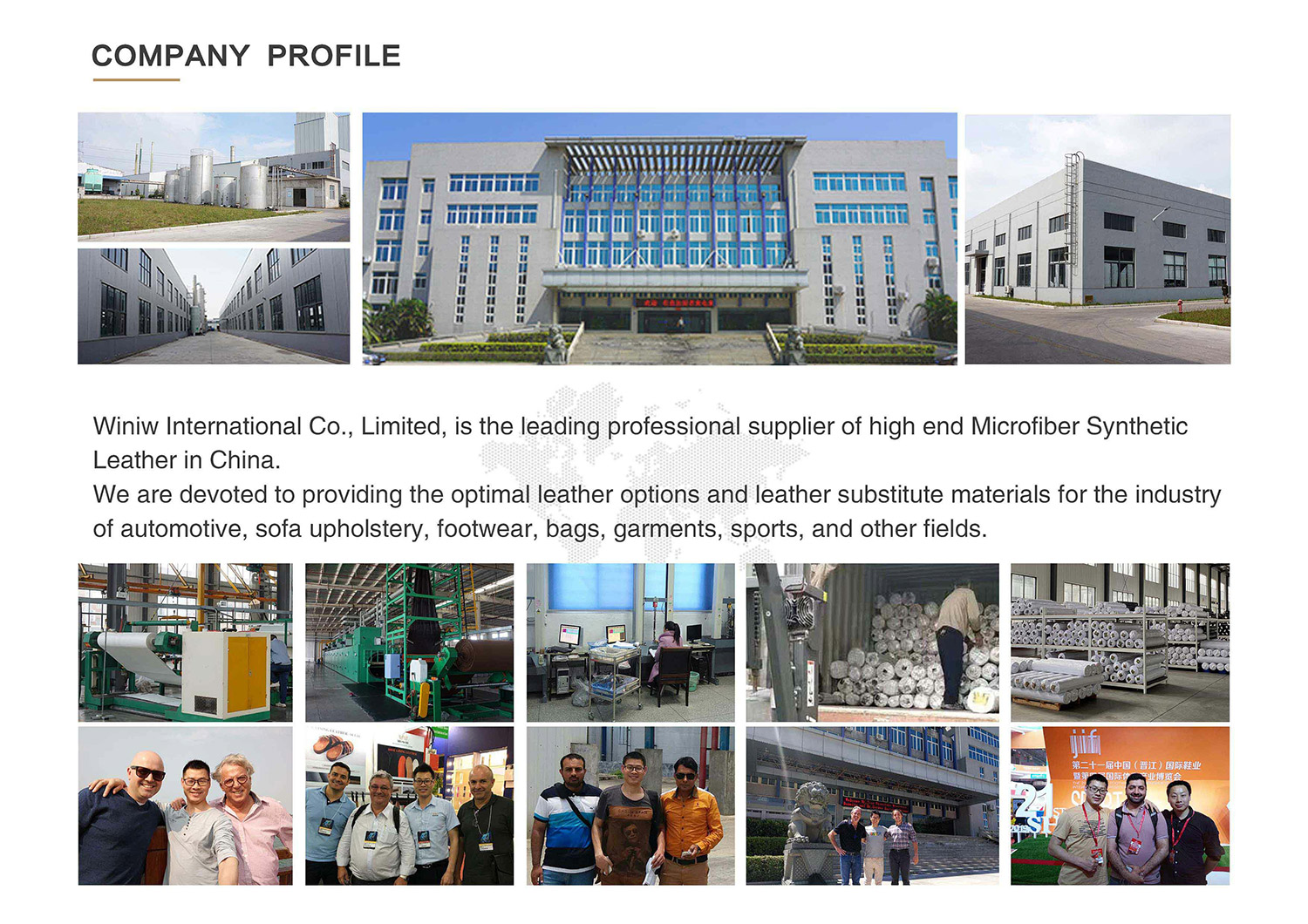
Winiw International Co.,Ltd


Digitalizar para wechat:



 Tel. : +86 18150976625
 Email : Market@MicrofiberLeather.com