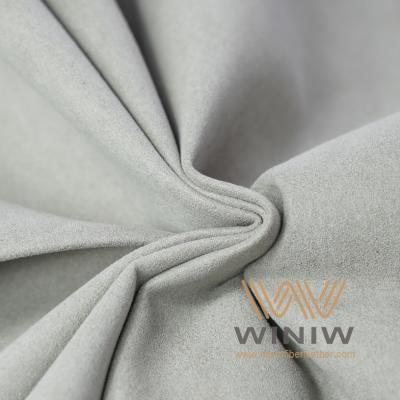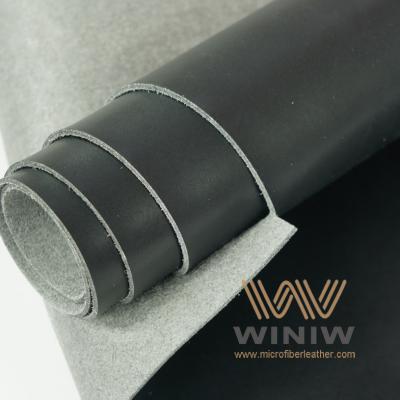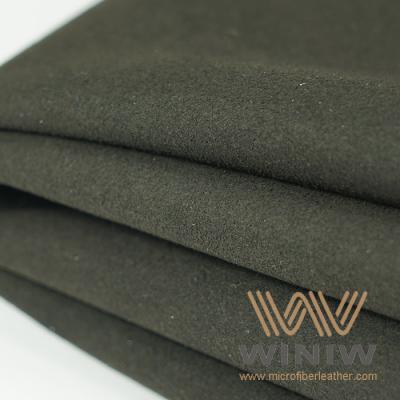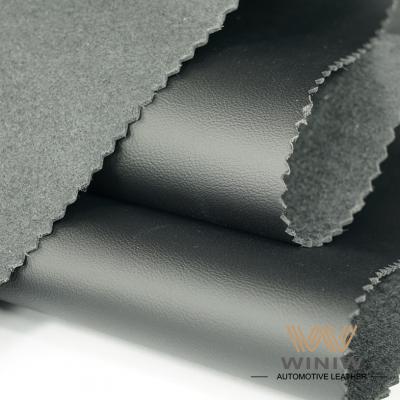
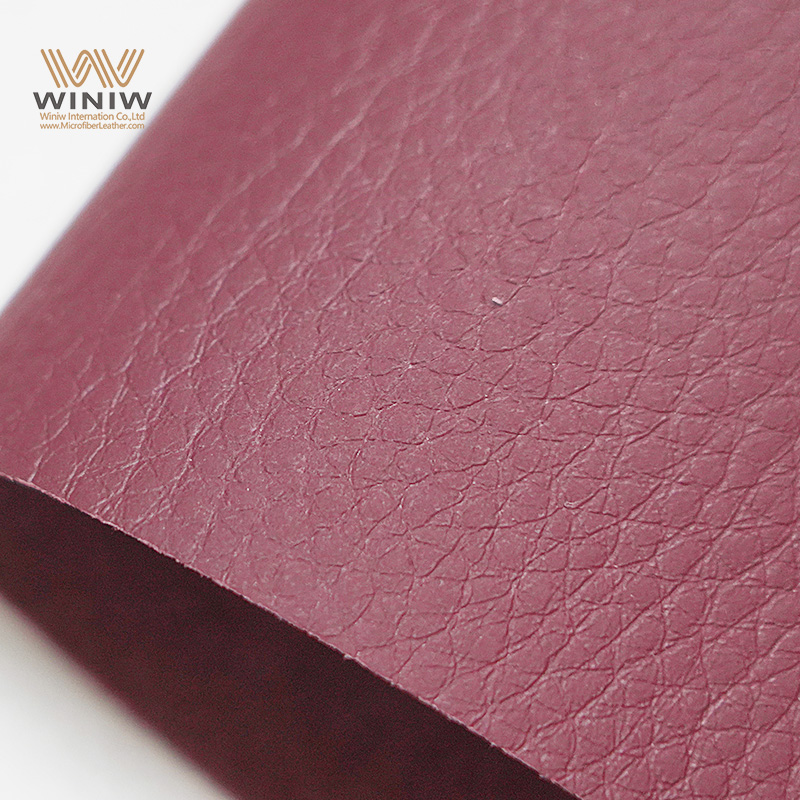
Ao escolher um sofá, você se depara com a opção entre tecido e couro. Cada um oferece vantagens únicas. Sofás de tecido criam uma sensação aconchegante e convidativa, enquanto o couro pode parecer frio ou pegajoso, dependendo da estação do ano. Tecidos de alta performance se igualam ao couro em durabilidade. Considere seus hábitos diários e lar ambiente ideal para o melhor ajuste do tecido e do couro do sofá.
Os sofás de tecido proporcionam conforto em todas as estações do ano, mantendo-se aquecidos no inverno e frescos no verão.
Sofás de couro são duráveis. e fáceis de limpar, o que as torna ideais para casas com animais de estimação e crianças.
Ao escolher um sofá, leve em consideração seu estilo de vida e o ambiente da sua casa para garantir que ele atenda às suas necessidades.
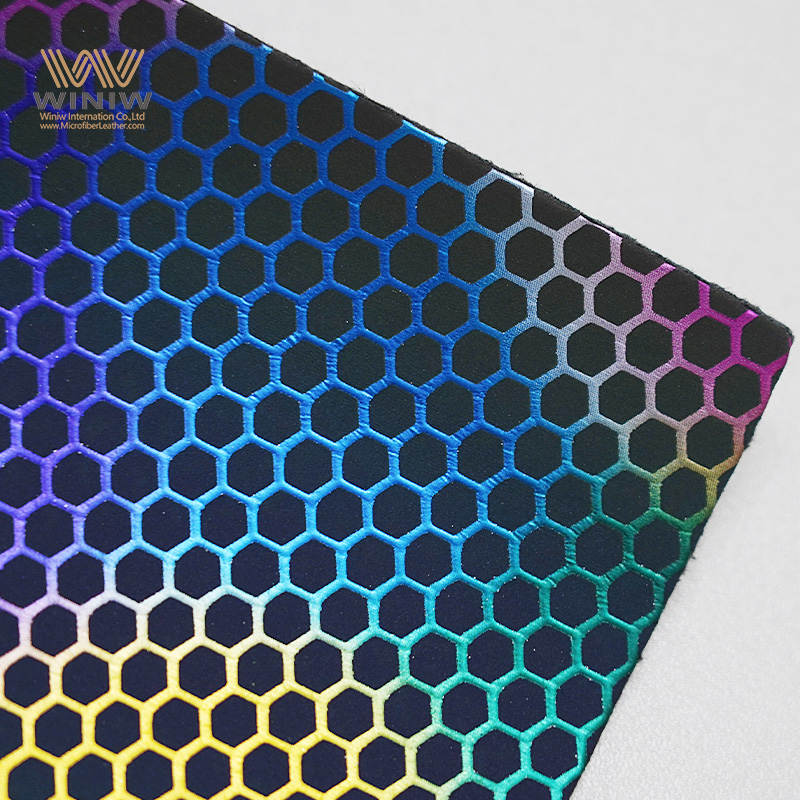
Você quer que seu sofá seja confortável todos os dias. Sofás de tecido mantêm uma temperatura agradável durante todo o ano. Você perceberá que o tecido permanece quente no inverno e fresco no verão. Sofás de couro podem ficar frios quando as temperaturas caem e pegajosos quando esquenta. Se você se sentar em um sofá de couro com a pele exposta durante o verão, poderá sentir desconforto. Opções de tecido natural, como algodão e linho, oferecem respirabilidade, mantendo você fresco. As fibras sintéticas em sofás de tecido podem absorver a umidade, aumentando o seu conforto. O couro permanece mais fresco em climas quentes, mas não oferece o mesmo conforto constante que os sofás de tecido. Ao comparar sofás de tecido e couro, o tecido proporciona uma sensação aconchegante em todas as estações.
Sofás de tecido mantêm o conforto em todas as estações do ano.
Sofás de couro podem ficar frios no inverno e abafados no verão.
Tecidos de algodão e linho ajudam a regular a temperatura.
O couro se mantém mais fresco em climas quentes, mas pode não ser tão aconchegante.
A durabilidade é fundamental ao investir em um sofá. Sofás de couro duram mais do que sofás de tecido. Você pode esperar que um sofá de couro dure de 15 a 20 anos ou mais. Sofás de tecido geralmente duram de 7 a 12 anos. A comparação entre sofás de couro e tecido mostra que o couro se destaca em durabilidade. O tecido pode esticar ou desfiar, especialmente em áreas de grande circulação. O couro resiste ao desgaste, mas precisa ser limpo e hidratado regularmente para evitar rachaduras. O tecido de microfibra oferece maior durabilidade do que o tecido comum, sendo uma ótima opção para famílias.
|
Tipo de sofá |
Expectativa de vida média |
|---|---|
|
Couro |
15 a 20 anos ou mais |
|
Tecido |
7 a 12 anos |
|
Tipo de sofá |
Durabilidade e manutenção |
|---|---|
|
Tecido |
Pode apresentar sinais de desgaste, como estiramento e desfiamento, especialmente em áreas de grande circulação. Requer maior cuidado em caso de derramamentos. |
|
Couro |
Conhecido pela sua durabilidade e facilidade de manutenção; menos propenso a absorver líquidos derramados e fácil de limpar. Requer limpeza e condicionamento regulares para evitar rachaduras. |
Você precisa limpar seu sofá regularmente. Sofás de tecido exigem aspiração frequente e limpeza localizada. Pode ser necessário lavar as capas removíveis e usar xampu para estofados para uma limpeza mais profunda. A limpeza a vapor funciona para alguns sofás de tecido. Sofás de couro são mais fáceis de manter. Você pode limpar derramamentos com um pano úmido e usar um limpador suave para couro. Hidratar o couro a cada poucos meses o mantém macio e evita rachaduras. Tanto os sofás de tecido quanto os de couro precisam de limpeza profissional a cada 12 meses para uso normal. Se você tem animais de estimação ou crianças, limpe os sofás de tecido a cada 2 a 5 meses e os sofás de couro a cada 3 a 6 meses.
|
Tipo de sofá |
Métodos de limpeza |
|---|---|
|
Sofá de couro |
1. Limpe a superfície com um pano seco. 2. Use um limpador de couro suave em um pano de microfibra. 3. Limpe imediatamente qualquer líquido derramado. 4. Aplique condicionador de couro a cada poucos meses. 5. Remova o pó semanalmente e evite a exposição direta à luz solar. |
|
Sofá de tecido |
1. Aspire bem com um acessório para estofados. 2. Faça um teste em algumas manchas e trate-as com um pano úmido. 3. Use xampu para estofados para uma limpeza mais profunda. 4. Se for adequado, utilize a limpeza a vapor. 5. Deixe secar ao ar livre e aspire semanalmente para controlar o acúmulo de poeira. |
Sofás de tecido precisam ser aspirados e limpos com frequência.
Sofás de couro precisam apenas de uma limpeza simples com um pano úmido para remover derramamentos e de hidratação ocasional.
Recomenda-se a limpeza profissional a cada 12 meses para ambos os tipos.
Se você sofre de alergias, a escolha do tecido ou do couro para o seu sofá é importante. Sofás de tecido podem acumular ácaros, pelos de animais e pólen. Sofás de couro não acumulam alérgenos e são fáceis de limpar com um pano úmido. O tecido pode reter umidade, o que favorece o crescimento de mofo. O couro resiste à umidade e não acumula mofo. O dimetilfumarato (DMF) é um alérgeno comum no couro, enquanto sofás de tecido atraem poeira e alérgenos de animais.
|
Tipo de sofá |
Alérgenos comuns |
|---|---|
|
Couro |
Dimetil fumarato (DMF) |
|
Tecido |
Ácaros, caspa de animais de estimação, pólen |
|
Tipo de sofá |
Captura de Alérgenos |
Facilidade de limpeza |
Resistência à umidade |
|---|---|---|---|
|
Couro |
Não retém alérgenos. |
Fácil de limpar com um pano úmido. |
Não retém umidade |
|
Tecido |
Pode reter alérgenos como ácaros e caspa de animais de estimação. |
Mais difícil de limpar |
Pode reter umidade, levando ao crescimento de mofo. |
Famílias e donos de animais de estimação enfrentam desafios únicos. Sofás de tecido são mais propensos a manchas causadas por crianças e animais. Suco, comida e fluidos corporais podem deixar marcas. O tecido de microfibra é durável e mais fácil de limpar do que o couro, sendo uma boa opção para casas movimentadas. Sofás de couro resistem a pelos e manchas. Você pode limpá-los facilmente com um pano. O couro protegido ou semi-anilina resiste a arranhões e manchas. Pelos não grudam no couro, mas garras afiadas podem causar arranhões. A trama fechada e plana do tecido impede que as garras se prendam. Ambos os tipos de sofá, de tecido e de couro, precisam de limpeza regular, mas os sofás de tecido exigem atenção mais frequente.
Sofás de tecido são mais propensos a manchas causadas por crianças e animais de estimação.
O tecido de microfibra oferece durabilidade e facilidade de limpeza.
Sofás de couro resistem a pelos e manchas, mas garras podem arranhar a superfície.
Couro protegido é a melhor opção para quem tem animais de estimação.
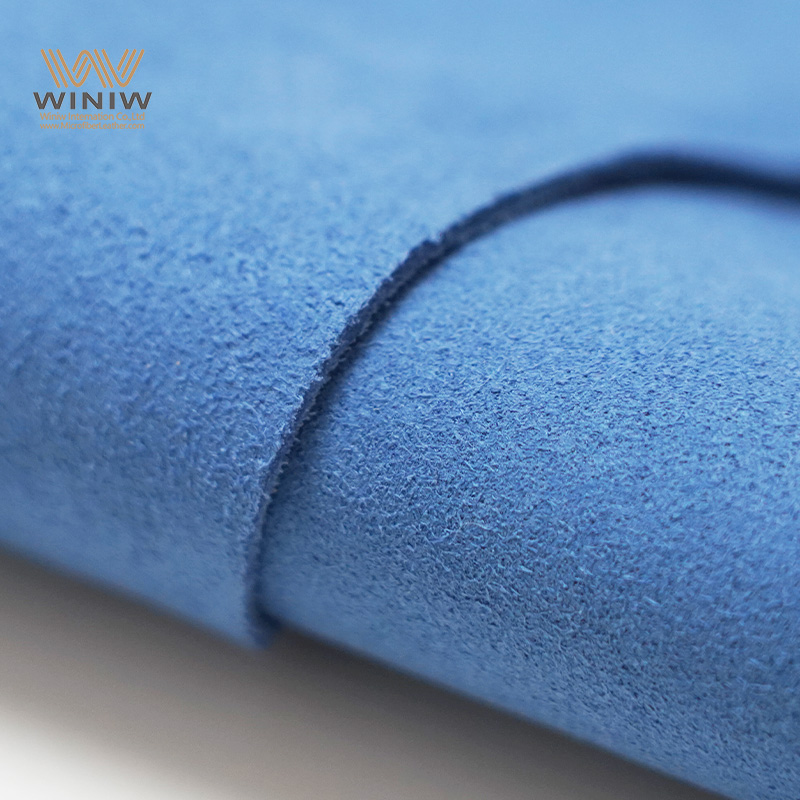
Você quer que seu sofá combine com seu estilo. Sofás de tecido oferecem uma ampla gama de cores e estampas. Você pode personalizar seu sofá com diferentes texturas e designs. Sofás de couro têm uma paleta de cores limitada e menos opções de estampas. Ambos os tipos de sofá, de tecido e couro, se adaptam a estilos populares como Chesterfield, moderno de meados do século, modular, com assento profundo e curvo. Linho, veludo e couro são materiais comuns para esses estilos. Sofás de tecido permitem maior personalização, enquanto sofás de couro proporcionam um visual clássico.
|
Estilo |
Descrição |
Opções de materiais |
|---|---|---|
|
Sofá Chesterfield |
Design icônico com atualizações modernas, como hastes mais finas e acabamento fosco. |
Linho, veludo, couro |
|
Moderno de Meados do Século |
Conhecida por suas linhas simples e pernas esbeltas, que criam uma sensação de amplitude. |
Couro marrom |
|
Sofás modulares |
Peças flexíveis que podem ser reorganizadas para se adaptarem a diferentes espaços. |
Diversos tecidos |
|
Sofás com assentos profundos |
Espaçosa para maior conforto, convidando ao relaxamento e a um ambiente acolhedor. |
Tecidos macios |
|
Sofás curvos |
Curvas suaves que favorecem a circulação e a conversa em um ambiente. |
Diversos materiais |
|
Tipo de sofá |
Disponibilidade de cores |
Disponibilidade de padrões |
|---|---|---|
|
Tecido |
Ampla variedade |
Ampla variedade de opções |
|
Couro |
Paleta limitada |
Opções mais restritas |
Os sofás de tecido permitem maior personalização em termos de cores e padrões.
Os sofás de couro têm uma paleta de cores e uma gama estética mais limitadas.
O custo influencia sua decisão. Sofás de tecido geralmente custam menos do que sofás de couro. Você paga mais pelo couro devido à sua durabilidade e longevidade. Os custos de manutenção também variam. Sofás de tecido precisam de limpeza e aspiração regulares. Pode ser necessário lavar as capas e tratar manchas. Sofás de couro são fáceis de limpar com um pano úmido e requerem hidratação ocasional. Ambos os tipos de sofá (tanto de tecido quanto de couro) precisam de limpeza profissional, mas os sofás de tecido podem precisar de limpeza com mais frequência em casas movimentadas.
|
Tipo de sofá |
Necessidades de manutenção |
|---|---|
|
Tecido |
Requer limpeza e aspiração regulares. |
|
Couro |
Fácil de limpar; basta passar um pano em caso de derramamento. |
Sofás de tecido precisam ser aspirados com frequência e podem exigir a lavagem de capas removíveis.
Sofás de couro precisam apenas de uma limpeza simples com um pano úmido para remover derramamentos e de hidratação ocasional.
Sofás de couro são fáceis de limpar, ideais para casas com animais de estimação e crianças.
Dica: Ao comparar sofás de tecido ou couro, considere não apenas o custo inicial, mas também as despesas com manutenção e limpeza a longo prazo.
Você obtém diversas vantagens ao escolher sofás de tecido Para sua casa. Designers de interiores destacam a versatilidade como uma grande vantagem. Você pode escolher entre uma ampla gama de estampas, cores e texturas, o que permite combinar o sofá com seu estilo e a decoração do ambiente. Sofás de tecido oferecem conforto e aconchego constantes durante todo o ano. Você se sente confortável no inverno e fresco no verão. A relação custo-benefício também se destaca como outro benefício. Sofás de tecido geralmente custam menos do que os de couro, então você obtém uma opção elegante sem sacrificar a qualidade.
Versatilidade em padrões, cores e texturas.
Conforto e aquecimento constantes
Opção econômica para quartos elegantes
É importante considerar algumas desvantagens antes de comprar sofás de tecido. A tabela abaixo mostra os problemas mais comuns relatados pelos consumidores:
|
Desvantagem |
Descrição |
|---|---|
|
Durabilidade |
Áreas de grande circulação podem fazer com que o tecido estique, desfie ou fique mais fino com o tempo. |
|
Exposição à luz solar |
A exposição prolongada à luz solar pode desbotar as cores, afetando a aparência e a qualidade do sofá. |
|
Retenção de odor |
Os tecidos podem absorver odores, exigindo limpeza regular para manter o frescor. |
|
Acúmulo de Alérgenos |
Os tecidos podem reter ácaros e pelos de animais, o que afeta a qualidade do ar para quem sofre de alergias. |
Você encontra sofás de tecido recomendados para diversos tipos de ambientes. A tabela abaixo mostra onde esses sofás se encaixam melhor:
|
Tipo de quarto |
Tipo de sofá recomendado |
|---|---|
|
Sala de estar formal |
Sofás em vez de sofás modulares para uma disposição mais estruturada. |
|
Sala de recreação no porão |
Sofá modular para encontros informais |
|
Varanda envidraçada |
Sofá ou poltrona de dois lugares com cadeiras de destaque |
|
Sala de estar |
Sofá compacto modular ou sofá com cadeiras |
Dica: Escolha sofás de tecido para ambientes onde conforto, aparência e qualidade são essenciais. Tecidos modernos de alta performance suportam áreas de grande circulação, mas exigem manutenção regular para preservar a qualidade e a beleza do seu sofá.
Ao escolher sofás de couro para sua casa, você desfruta de muitas vantagens. Especialistas em móveis destacam diversos benefícios importantes dos sofás de couro:
A elegância atemporal enriquece seu espaço com um toque de luxo.
Sua durabilidade excepcional significa que, com os devidos cuidados, seu sofá pode durar décadas.
A facilidade de manutenção permite limpar derramamentos rapidamente, o que é ideal para casas com crianças ou animais de estimação.
O conforto incomparável advém do couro que se adapta à temperatura do seu corpo ao longo do ano.
Um sofá de couro elegante agrega valor à sua casa e eleva sua aparência geral.
Você também notará que sofás de couro de qualidade apresentam costuras firmes e uniformes, além de almofadas com bom suporte. O couro genuíno, especialmente o de flor integral e o de flor superior, confere ao ambiente um visual natural e sofisticado. A versatilidade dos sofás de couro permite combiná-los com diversos estilos de decoração, do tradicional ao contemporâneo.
Dica: Os benefícios dos sofás de couro fazem deles um investimento a longo prazo. Você deve incluir no seu orçamento a manutenção para manter seu sofá com a melhor aparência possível.
Você deve considerar algumas desvantagens antes de comprar. sofás de couro Muitos consumidores relatam estes problemas comuns:
Sofás de couro podem ser caros, o que pode não ser adequado para todos os orçamentos.
O material pode ficar frio no inverno e pegajoso no verão, afetando o conforto.
O couro é propenso a arranhões e marcas causadas por animais de estimação ou objetos pontiagudos.
A exposição prolongada à luz solar pode desbotar a cor e ressecar o couro.
Derramamentos de líquidos e óleos corporais podem manchar o couro, e essas manchas costumam ser difíceis de remover.
A alta umidade pode fazer com que o couro absorva umidade, levando ao aparecimento de mofo ou deformação.
O ar seco pode tornar o couro quebradiço com o tempo.
Limpeza especializada produtos são frequentemente necessárias para um atendimento adequado.
É preciso agir rapidamente em caso de derramamentos e condicionar o sofá regularmente para evitar danos.
Você encontrará sofás de couro recomendados para diversos ambientes e estilos. A tabela abaixo mostra onde esses sofás se encaixam melhor:
|
Estilo de design de interiores |
Sofás de couro recomendados |
|---|---|
|
Tradicional |
Camano, Alton Bay, Oxford |
|
Contemporâneo |
Maui, Omaha |
Você pode colocar sofás de couro em salas de estar formais, escritórios ou qualquer espaço onde deseje adicionar um toque de luxo. Seu visual clássico e durabilidade os tornam uma escolha popular tanto para interiores tradicionais quanto modernos.
Ao escolher o sofá ideal, é preciso levar em consideração sua rotina diária e suas preferências. Se você tem alergias, sofás de couro Os sofás de microfibra repelem alérgenos e são fáceis de limpar. Além disso, resistem a ácaros, sendo ideais para pessoas com pele sensível. O clima também influencia na escolha do tecido. Sofás de tecido são ideais para ambientes quentes e úmidos, pois permitem que o tecido respire. Sofás de couro proporcionam aconchego em climas mais frios. Se você busca um visual mais formal para sua sala de estar, o couro oferece sofisticação. O tecido oferece mais opções de cores e estampas, permitindo que você expresse seu estilo. O couro é mais caro, mas dura mais. O tecido é mais barato inicialmente, mas pode precisar ser trocado com mais frequência. Se você tem animais de estimação, o couro não retém pelos, mas pode arranhar. O tecido absorve líquidos derramados e odores, por isso a manutenção é importante. O impacto ambiental também é relevante. A produção de couro gera preocupações, mas oferece durabilidade. Tecidos de fibras naturais são mais sustentáveis.
Dica: Faça uma lista das suas necessidades. Pense em alergias, clima, estilo, orçamento e animais de estimação antes de decidir.
O ambiente da sua casa afeta a durabilidade do seu sofá. Sofás de couro precisam de umidade abaixo de 60%. Alta umidade pode causar fungos e enfraquecer a estrutura. A luz solar resseca o couro e causa rachaduras. Posicione os móveis de couro longe das janelas para evitar desbotamento e ressecamento. Sofás de tecido são menos afetados pela umidade, mas mancham com facilidade. A limpeza frequente ajuda a manter sua durabilidade. Na sua sala de estar, considere a quantidade de luz solar e umidade que o ambiente recebe. Isso ajudará você a escolher um sofá que dure por muitos anos.
Você quer que seu sofá mantenha seu valor ao longo do tempo. Sofás de couro conservam seu valor melhor do que sofás de tecido, especialmente para revenda. Seu estilo clássico e durabilidade os tornam um investimento inteligente. Sofás de tecido perdem valor mais rapidamente porque se desgastam e mancham com mais facilidade. Se você planeja ficar com seu sofá por muitos anos ou vendê-lo mais tarde, o couro oferece um valor superior a longo prazo.
Observação: Pense em quanto tempo você quer que seu sofá dure em sua casa. Investir em qualidade compensa no futuro.
Você pode manter seu sofá de tecido com aparência de novo com cuidados regulares. Comece aspirando a superfície semanalmente. Use o acessório para estofados do aspirador para remover poeira e migalhas. Em caso de derramamentos, absorva imediatamente o líquido com um pano limpo e seco. Evite esfregar, pois isso pode fazer com que a mancha penetre ainda mais no tecido. Se o seu sofá tiver capas removíveis, lave-as de acordo com as instruções da etiqueta. Para uma limpeza mais profunda, use um produto de limpeza específico para estofados ou um limpador a vapor, se o tecido permitir. Gire e afofe as almofadas para manter o formato e evitar o desgaste irregular.
Dica: Teste qualquer produto de limpeza primeiro em uma área escondida para verificar se há desbotamento da cor ou danos.
Você precisa tratar sofás de couro Com atenção especial, limpe a superfície semanalmente com um pano macio e seco. Limpe imediatamente qualquer líquido derramado com um pano úmido e, em seguida, seque a área. Aplique um condicionador de couro a cada três a seis meses para manter o couro macio e evitar rachaduras. Mantenha seu sofá longe da luz solar direta e de fontes de calor, pois elas podem ressecar e desbotar o couro. Para manchas difíceis, use um produto de limpeza específico para couro. Evite produtos químicos agressivos e esponjas ásperas, pois podem danificar a superfície.
Gire as almofadas para manter um desgaste uniforme.
Mantenha as unhas dos seus animais de estimação aparadas para evitar arranhões.
Nota: A manutenção regular prolonga a vida útil do seu sofá e o mantém com a melhor aparência.
Você tem muitas opções ao escolher um sofá. Veja a tabela abaixo para um breve resumo:
|
Aspecto |
Sofás de tecido |
Sofás de couro |
|---|---|---|
|
Durabilidade |
Resiste ao uso diário. |
Dura décadas |
|
Manutenção |
Necessita de limpeza regular. |
Fácil de limpar, precisa de condicionamento. |
|
Conforto |
Macio e aconchegante |
Firme e fresco |
|
Estética |
Muitas cores e padrões |
Visual clássico e atemporal |
|
Ambiental |
Opções sustentáveis disponíveis |
Menos ecológico |
Antes de ir às compras, liste suas principais prioridades. Escolha o que melhor se adapta ao seu conforto, estilo de vida e orçamento. Assim, você terá a certeza de estar fazendo a escolha certa para sua casa.

Sofás de couro geralmente são mais caros. Sofás de tecido custam menos, mas é preciso considerar a manutenção e a durabilidade ao comparar preços.
Você precisa pensar no seu estilo de vida, nas suas necessidades de conforto e no ambiente da sua casa. Considere alergias, animais de estimação e o clima antes de decidir comprar um sofá.
Sofás de tecido exigem aspiração frequente e limpeza localizada. Já os sofás de couro precisam apenas de uma limpeza rápida e hidratação ocasional.
Winiw International Co.,Ltd


Digitalizar para wechat:



 Tel. : +86 18150976625
 Email : Market@MicrofiberLeather.com