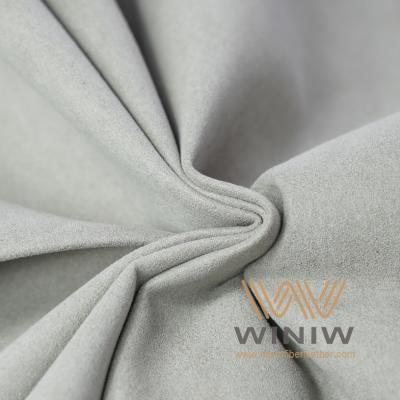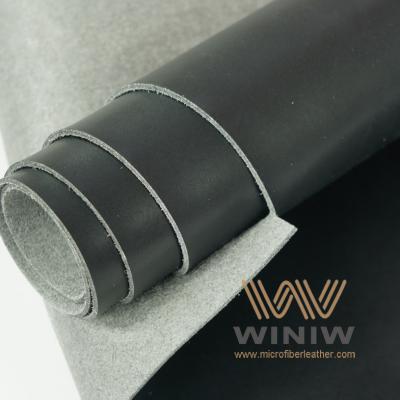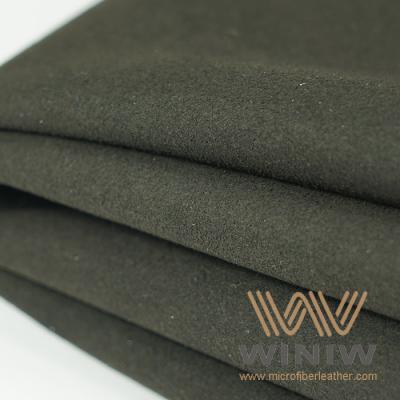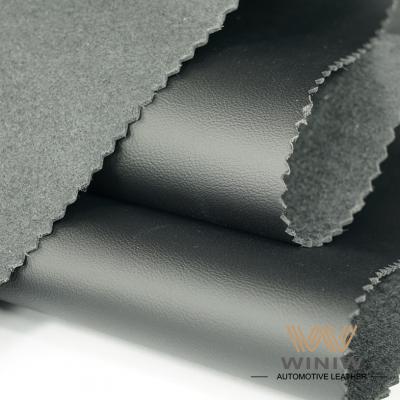
Escolher tecido de couro para carro começa com saber suas necessidades. Alguns motoristas valorizam durabilidade ou conforto. Outros se concentram em estilo, manutenção ou orçamento. O uso do carro também importa:
Carros familiares costumam usar tecido pela resistência a manchas.
Veículos de luxo preferem couro pelo conforto e pela aparência.
Serviços de transporte compartilhado preferem materiais fáceis de limpar.
Identifique suas necessidades antes de escolher tecido de couro para carro. Considere fatores como durabilidade, conforto e manutenção para encontrar a melhor opção para seu estilo de vida.
A limpeza e o condicionamento regulares do couro podem evitar desbotamento e rachaduras. Siga as instruções de cuidados para manter a qualidade do revestimento interno.
Evite erros comuns, como ignorar as necessidades do estilo de vida ou focar apenas no preço. Escolha materiais que combinem com seus hábitos diários para um interior confortável e elegante.
Os motoristas costumam comparar durabilidade e conforto ao escolher tecido de couro para carro. Alguns materiais, como couro sintético, oferecem durabilidade excepcional e podem durar até 20 anos. O couro proporciona uma sensação premium e qualidade duradoura, mas requer cuidados regulares. A tabela abaixo compara como diferentes tecidos afetam o conforto e o valor de revenda:
|
Tipo de tecido |
Impacto no conforto |
Impacto no valor de revenda |
|---|---|---|
|
Couro sintético |
Durável, dura até 20 anos |
Alto valor de revenda |
|
Vinil |
Durável, fácil de limpar |
Bom para famílias, uso intenso |
|
Couro |
Elegante, duradouro |
Alto valor percebido com cuidados adequados |
|
Camurça |
Luxuosa, exige manutenção cuidadosa |
Pode afetar a revenda se não for mantida |
O estilo desempenha um papel importante nas decisões sobre o revestimento interno do carro. Tendências recentes mostram que opções de personalização, conforto e escolhas ecológicas são muito valorizadas. A tabela abaixo destaca as principais preferências de estilo:
|
Preferência de estilo |
Descrição |
|---|---|
|
Conforto |
O couro melhora a experiência de dirigir |
|
Durabilidade |
A qualidade duradoura é uma escolha popular |
|
Personalização |
Muitos motoristas querem cores e costuras exclusivas |
|
Benefícios para a saúde |
O couro é mais fácil de limpar do que o tecido |
|
Opções ecológicas |
O couro sustentável e reciclado está ganhando popularidade |
Os requisitos de manutenção variam conforme o material. A maioria dos interiores recebe um tratamento protetor na fábrica. A limpeza regular com um pano úmido e o condicionamento ajudam a manter o couro. Evite produtos de limpeza agressivos e mantenha os bancos longe da luz solar direta para evitar desbotamento e rachaduras. Em caso de derramamentos, seque com um pano limpo e deixe secar ao ar. O camurça precisa de produtos especializados e cuidados mais frequentes, o que pode aumentar os custos a longo prazo.
O orçamento é um fator importante para muitos compradores. O custo do revestimento de couro para bancos de carro depende do tipo de veículo e do material. O gráfico abaixo compara os custos do couro e do couro sintético para diferentes veículos:
Uma substituição completa pode variar de US$ 250 a mais de US$ 2.000 por banco. O couro sintético oferece uma opção mais acessível para quem tem um orçamento limitado. Sempre equilibre seu orçamento com suas prioridades de durabilidade, estilo e manutenção.
O couro de flor integral se destaca como a opção de maior qualidade para interiores de carros. Esse material mantém sua granulação e textura naturais, o que proporciona uma sensação luxuosa e uma durabilidade impressionante. O couro de flor integral geralmente é mais espesso do que outros couros automotivos, frequentemente acima de 1,4 mm. Essa espessura aumenta sua resistência ao desgaste. Ele desenvolve uma bela pátina ao longo do tempo, adicionando personalidade ao interior do seu carro.
Dica: o couro de flor integral exige cuidados mínimos. A limpeza regular e o condicionamento ocasional ajudam a manter sua aparência.
|
Tipo de couro |
Durabilidade |
Conforto |
Manutenção |
|---|---|---|---|
|
Flor integral |
Mais durável |
Sensação luxuosa |
Cuidados mínimos necessários |
O couro de flor integral oferece alta resistência a manchas e desbotamento. Sua textura natural aumenta a resistência a manchas, tornando-o adequado para motoristas que desejam elegância e praticidade. No entanto, o couro de flor integral pode ser caro e talvez não seja adequado para todos os orçamentos.
O perfil mais espesso aumenta a resistência a rachaduras e encolhimento.
A granulação natural proporciona resistência superior a manchas.
Manutenção mínima necessária para uma qualidade duradoura.
O couro de flor superior é um nível abaixo do couro de flor integral em qualidade. Os fabricantes o desgastam para obter um perfil mais fino, o que o torna mais fácil de manter e mais flexível. Esse couro oferece uma sensação mais suave e uma aparência uniforme. O couro de flor superior é durável, mas menos do que o couro de flor integral. Ele é popular pelo equilíbrio entre luxo e praticidade.
|
Tipo de couro |
Durabilidade |
Conforto |
Manutenção |
|---|---|---|---|
|
Flor superior |
Boa durabilidade |
Mais suave e flexível |
Mais fácil de manter |
O couro de flor superior recebe tratamento UV para proteger contra ressecamento, encolhimento e rachaduras. Esse tratamento também ajuda a evitar descoloração e perda de maciez. A resistência aos raios UV é importante para carros expostos à luz solar, pois preserva a qualidade do couro.
A textura mais suave aumenta o conforto.
O tratamento UV melhora a resistência ao desbotamento e às rachaduras.
Manutenção mais fácil devido à superfície uniforme.
Observação: O couro de flor integral oferece boa resistência a manchas, mas a limpeza regular ainda é necessária para mantê-lo com aparência de novo.
O couro sintético, frequentemente chamado de courino, é uma escolha popular para revestimento de bancos de carros. Ele inclui materiais como couro de silicone, couro de PVC, couro de microfibra, e couro PU sem solventes. Essas opções oferecem alta resistência a manchas, água e raios UV. O couro sintético é acessível e fácil de manter, tornando-o ideal para famílias e veículos de transporte compartilhado.
|
Tipo de couro sintético |
Vantagens |
|---|---|
|
Couro de silicone |
Resistente à água, fácil manutenção, durável, resistente a UV, flexível. |
|
Couro de PVC |
Durável, acessível, versátil, sustentável. |
|
Couro de microfibra |
Macio, durável, fácil manutenção, ecológico, versatilidade de design. |
|
Couro PU sem solventes |
Durável, confortável, seguro, econômico. |
O courino oferece uma resistência impressionante a manchas e desgaste. Ele é menos espesso que o couro genuíno, o que o torna mais leve e fácil de instalar. O couro sintético é produzido a partir de materiais derivados do petróleo, o que pode levar à poluição e ao esgotamento de recursos. No entanto, evita produtos de origem animal e pode ter uma pegada de carbono menor.
Alta resistência a manchas e derramamentos.
Manutenção fácil com rotinas simples de limpeza.
Opção acessível para compradores preocupados com o orçamento.
Destaque: O courino é ideal para quem valoriza resistência a manchas e facilidade de cuidado, mas pode não ter a sensação luxuosa do couro genuíno.
Os couros especiais adicionam recursos exclusivos aos veículos de luxo. O Katzkin XT é espesso e resistente à água, projetado para uso intenso. A microfibra Suedezkin utiliza conteúdo reciclado e oferece uma textura macia. O couro Barracuda apresenta perfuração arquitetônica e cores contrastantes, combinando durabilidade com elegância. O Alcantara proporciona uma textura semelhante à camurça e um acabamento fosco moderno, preferido para interiores esportivos.
Katzkin XT: Perfil espesso aumenta a resistência à água e ao desgaste.
Microfibra Suedezkin: Textura macia e design ecológico.
Couro Barracuda: Maior resistência a manchas e durabilidade.
Alcantara: Alta resistência ao desbotamento e às manchas, com aparência única.
O couro genuíno em formas especiais adiciona uma sensação de prestígio aos interiores de luxo. Ele é conhecido por sua textura suave e aparência sofisticada. Os couros especiais frequentemente recebem tratamentos UV avançados, aumentando a resistência a rachaduras e desbotamento.
Observação: Os couros especiais combinam qualidade, resistência e estilo. Eles são adequados para motoristas que desejam um interior exclusivo e durável.
A produção de couro sintético utiliza petroquímicos, que podem liberar poluentes. O couro genuíno, especialmente quando curtido com taninos vegetais, pode ser mais ecológico porque utiliza resíduos da indústria da carne. Alguns fornecedores afirmam que o couro genuíno tem uma pegada de carbono menor do que alternativas sintéticas. O couro artificial é menos sustentável ambientalmente devido à sua base de petróleo, mas evita produtos de origem animal.
O couro genuíno reaproveita peles, reduzindo resíduos.
O couro sintético evita produtos de origem animal, mas pode aumentar a poluição.
Os couros especiais às vezes utilizam conteúdo reciclado para uma melhor sustentabilidade.
Dica: Considere tanto o impacto ambiental quanto a resistência a manchas ao escolher entre couro genuíno e couro sintético.
A textura e a sensação ao toque desempenham um papel importante no conforto e no apelo dos interiores automotivos. O couro de flor integral mantém sua granulação original, exibindo imperfeições naturais e uma textura firme que amacia com o uso. O couro de flor corrigida é mais suave ao toque porque é lixado, mas perde parte da sensação natural.Opções sintéticasgeralmente são macias e flexíveis desde o início, mas podem não corresponder à sensação autêntica do couro verdadeiro.
|
Característica |
Couro de flor corrigida |
Couro de flor integral |
|---|---|---|
|
Sensação ao toque |
Macio e flexível, menos natural |
Firme no início, amacia com o tempo, textura natural |
Uma textura confortável pode melhorar a experiência de condução e agregar valor ao veículo.
As opções de cores e acabamentos ajudam os motoristas a personalizar seus interiores automotivos. As cores populares incluem:
Preto
Cinza
Bege
Marrom
Vermelho
Rosa
Acabamentos como perfurado, em relevo, impresso, perolizado e envelhecido adicionam um estilo único. Opções personalizáveis aprimoram a aparência e o valor percebido do revestimento.
Os interiores automotivos enfrentam uso intenso e exposição à luz solar. O couro com revestimentos modernos resiste ao desgaste, às manchas e ao desbotamento. O couro sintético geralmente possui inibidores de UV e resistência à umidade, mantendo as cores vibrantes e as superfícies protegidas. Esses recursos ajudam a manter uma aparência premium ao longo do tempo e reduzem as necessidades de manutenção.
Dica: Materiais duráveis com fortes recursos de resistência mantêm os interiores automotivos com aparência nova e elegante por anos.
Testar material do banco do carro antes da instalação ajuda a garantir conforto e durabilidade. Solicite amostras aos fornecedores e verifique a maciez, elasticidade e respirabilidade. Materiais de alta qualidade para bancos de carros devem ser confortáveis ao toque e se adaptar ao seu contato. Examine a taxa de alongamento na ruptura, que deve ser de pelo menos 100% para se ajustar às curvas dos bancos do carro sem rugas. Avalie a superfície quanto às propriedades de impermeabilidade e resistência a manchas. Um simples teste com gota de água pode mostrar se o material repele a umidade. Rotinas consistentes de limpeza e manutenção preservarão a qualidade e o conforto do seu revestimento.
Fazer as perguntas certas ajuda a selecionar o material adequado para bancos de carros. Aqui estão as principais perguntas a fazer:
Qual é a resistência ao desgaste do material do banco do carro?
O material atende aos padrões ambientais para formaldeído, metais pesados e COVs?
Há algum odor forte presente nos materiais dos bancos de carros?
Qual é a faixa de resistência à temperatura?
O material é impermeável e resistente a manchas?
Como é a sensação do material em termos de conforto e respirabilidade?
Qual é a extensibilidade do material do banco do carro?
Você pode fornecer amostras para teste?
Dica: A instalação profissional garante o encaixe adequado e maximiza o conforto.
Escolher o material certo para o banco do carro depende das suas necessidades diárias. Famílias se beneficiam de capas duráveis e resistentes a manchas que simplificam a limpeza e a manutenção. Viajantes frequentes devem selecionar materiais para bancos de carro impermeáveis e robustos para um conforto duradouro. Em climas quentes, o revestimento de tecido respirável melhora o conforto e reduz a manutenção. Alinhe sua escolha ao seu estilo de vida, seja para obter luxo em ambientes profissionais ou praticidade para uso familiar. Estabeleça uma rotina de limpeza para manter tanto o conforto quanto a aparência.
Escolher tecido de couro para carro pode ser simples, mas muitas pessoas cometem erros evitáveis. Reconhecer esses erros ajuda você a tomar decisões melhores e manter o interior do seu carro com ótima aparência.
Muitos compradores selecionam o revestimento apenas com base na aparência. Eles se esquecem de considerar os hábitos diários, o tamanho da família ou a presença de animais de estimação. Por exemplo, couro de cor clara pode manchar facilmente em um carro familiar. Sempre combine sua escolha com seu estilo de vida.
Alguns proprietários de carros subestimam os cuidados que o couro necessita. Pular a limpeza regular ou usar produtos químicos agressivos pode causar desbotamento, rachaduras ou perda de maciez. Cada material possui necessidades específicas de limpeza.
Dica: Sempre siga as instruções de cuidados do fabricante para o revestimento do seu carro.
Opções de baixo custo podem parecer atraentes, mas geralmente não têm durabilidade. Couro sintético barato pode rachar ou descascar rapidamente. Investir em materiais de qualidade economiza dinheiro a longo prazo.
A luz solar pode danificar os interiores dos carros. Muitos esquecem de perguntar se o couro possui tratamento contra raios UV. Sem isso, os bancos podem desbotar ou ressecar mais rapidamente.
|
Erro |
Impacto |
Como evitar |
|---|---|---|
|
Ignorar o estilo de vida |
Manchas, desconforto |
Combine o tecido às suas necessidades |
|
Pular a manutenção |
Rachaduras, desbotamento |
Limpe e hidrate com frequência |
|
Escolher apenas pelo preço |
Desgaste precoce, aparência ruim |
Equilibre custo e qualidade |
|
Sem proteção contra raios UV |
Desbotamento, ressecamento |
Pergunte sobre tratamentos contra raios UV |
Evitar esses erros ajuda você a desfrutar de um interior de carro confortável, elegante e duradouro.
Winiw International Co.,Ltd


Digitalizar para wechat:



 Tel. : +86 18150976625
 Email : Market@MicrofiberLeather.com